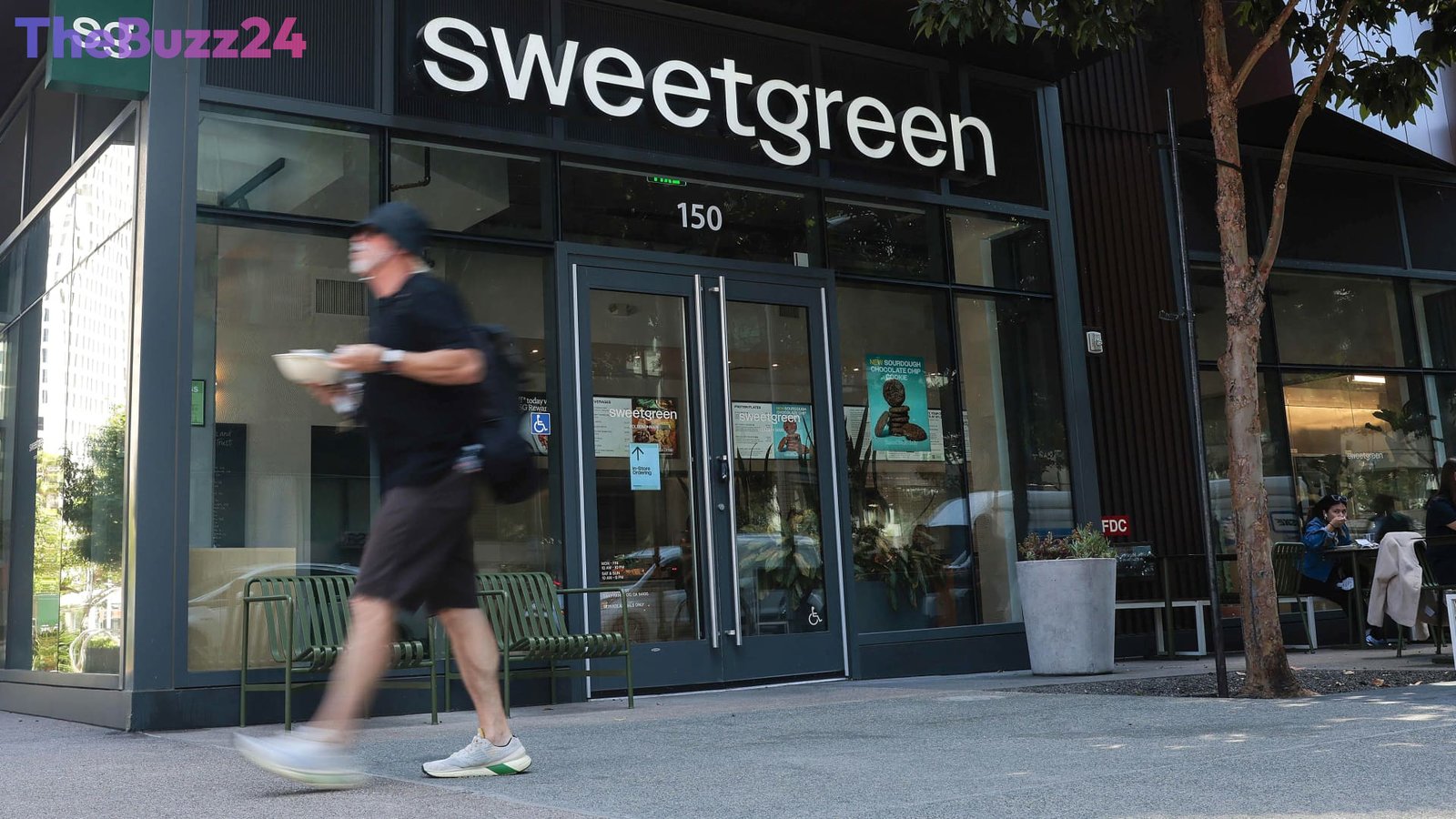
Cyclospora Fears Hit Sweetgreen Sales, Forcing Downward Financial Revision
Sweetgreen has revised its financial projections for the full year, anticipating a more significant decline in same-store sales due to consumer apprehension surrounding the ongoing cyclospora outbreak. Despite not being directly linked to the contamination, the popular salad chain is experiencing a ripple effect as diners become wary of consuming fresh produce.
The outbreak, which has affected thousands and resulted in fatalities, has been traced to iceberg lettuce from a specific facility in Mexico. While major chains like Taco Bell, which was linked to the outbreak, are reportedly seeing sales recover, the broader fear of the waterborne parasite is impacting consumer behavior across the fresh food sector. Sweetgreen explicitly stated that its updated outlook is a direct consequence of reduced consumer demand for fresh prepared foods since mid-July, acknowledging that the timeline for recovery remains unclear.
Consequently, Sweetgreen now forecasts an annual same-store sales decrease of 7% to 8%, a stark contrast to its earlier projection of a 2% to 4% decline. The company also adjusted its earnings forecast, now expecting an adjusted loss before interest, taxes, depreciation, and amortization (EBITDA) between $27 million and $23 million, a shift from its previous expectation of a modest profit ranging from $1 million to $6 million.
This downturn is not isolated to Sweetgreen. Other restaurant businesses, even those unconnected to the contaminated ingredients, have reported adverse sales impacts. Chipotle Mexican Grill, for instance, noted a negative effect on its sales in late July attributed to cyclospora fears. The challenging environment has also contributed to the financial distress of other companies, with Salad and Go filing for bankruptcy protection, citing consumer mistrust stemming from the outbreak as a factor exacerbating existing business difficulties.
Key Takeaways
- Sweetgreen has lowered its full-year sales outlook due to consumer fears related to the cyclospora outbreak.
- Despite no direct link to the outbreak, the salad chain is experiencing reduced demand for fresh produce.
- The company now expects steeper same-store sales declines and a larger adjusted EBITDA loss than previously forecasted.
Editor’s Analysis & Impact
The cyclospora outbreak serves as a stark reminder of the fragility of consumer confidence in the food industry, particularly for businesses reliant on fresh ingredients. Sweetgreen’s revised outlook highlights how widespread health concerns, even when not directly tied to a specific brand, can significantly impact sales and financial performance. This situation underscores the importance of robust supply chain transparency and effective public communication strategies for food service companies. The broader industry may see increased scrutiny on produce sourcing and a potential shift in consumer preferences towards less perishable items or brands perceived as safer, impacting the fast-casual and salad segments.
Frequently Asked Questions
Q: What is cyclospora?
A: Cyclospora is an intestinal illness caused by a microscopic parasite called Cyclospora cayetanensis. It is typically spread through contaminated food or water, often by produce that has come into contact with contaminated water.
Q: Has Sweetgreen been directly linked to the cyclospora outbreak?
A: No, Sweetgreen has explicitly stated that it has not been implicated in the ongoing cyclospora outbreak. The contamination has been linked to iceberg lettuce from a specific facility in Mexico.
Q: How is the cyclospora outbreak affecting other restaurants?
A: Even restaurants not directly linked to the outbreak are experiencing negative impacts on sales due to general consumer fear of consuming fresh produce, particularly salads. Some, like Chipotle, have reported a noticeable dip in sales attributed to these concerns.
AI Disclosure: This article is based on verified data and official reports. Our Team and AI have cross-referenced every financial detail with primary sources to ensure total accuracy.
More from this Category