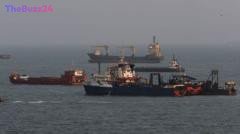
Deadly Attack on Saudi Tanker in Strait of Hormuz Claims Two Filipino Lives Amidst Escalating Tensions
A Saudi-owned supertanker, the Sidr, was struck by projectiles in the Strait of Hormuz, resulting in the tragic deaths of two Filipino sailors. The incident, which occurred late Monday night, has been condemned by Saudi Arabia as an Iranian attack. The Saudi national shipping company, Bahri, confirmed the fatalities and expressed deep condolences to the families of the deceased.
The vessel was reportedly hit north of Oman’s Musandam Peninsula. Maritime security firms indicated that another supertanker, the Senegal Prosperity, also owned by a South Korean entity, sustained damage in a similar incident in the vicinity around the same time. These events unfold against a backdrop of heightened military exchanges between the United States and Iran, including recent US air strikes and Iranian retaliatory actions targeting US bases.
While Iran has not directly addressed the accusation of targeting the Saudi tanker, it previously stated that two oil tankers caught fire after encountering mines while navigating an unauthorized route through the Strait of Hormuz. The Iranian health minister reported significant casualties from recent US attacks, which Iran has labeled a “war crime.” The US military stated it is investigating these claims.
The Strait of Hormuz, a critical chokepoint for global energy supplies, has been a focal point of regional tensions. The incident underscores the ongoing risks to international shipping and the broader implications for global energy security amidst geopolitical instability in the Middle East.
Key Takeaways
- A Saudi-owned supertanker, the Sidr, was attacked in the Strait of Hormuz, killing two Filipino sailors.
- The incident occurred amidst escalating military tensions between the US and Iran.
- The Strait of Hormuz remains a critical and volatile waterway for global oil and gas shipments.
Editor’s Analysis & Impact
This attack on a Saudi-flagged vessel in the Strait of Hormuz is a significant escalation, directly impacting global energy security and highlighting the precarious geopolitical situation in the Middle East. The loss of life underscores the human cost of these regional conflicts. The incident is likely to increase oil price volatility and could prompt further international diplomatic efforts or military posturing. The reliance on this vital shipping lane means any disruption has immediate and far-reaching economic consequences, potentially affecting global trade and energy markets for the foreseeable future. The involvement of multiple nations and the ongoing US-Iran tensions suggest a complex and potentially prolonged period of instability.
Frequently Asked Questions
Q: What is the Strait of Hormuz?
A: The Strait of Hormuz is a narrow waterway connecting the Persian Gulf and the Gulf of Oman. It is one of the world's most important oil transit points, with a significant portion of global oil and gas shipments passing through it.
Q: What are the current geopolitical tensions in the region?
A: The region is experiencing heightened tensions primarily between Iran and the United States, along with its allies. These tensions involve military exchanges, accusations of attacks on shipping, and broader geopolitical rivalries that impact regional stability and global energy markets.
Q: Who are the primary parties involved in the recent incidents?
A: The primary parties involved in the recent incidents include Iran, Saudi Arabia, and the United States. The attack also tragically affected Filipino sailors, highlighting the international nature of maritime trade and its associated risks.
AI Disclosure: This article is based on verified data and official reports. Our Team and AI have cross-referenced every financial detail with primary sources to ensure total accuracy.
More from this Category