How Popular Weight Loss Drugs Are Reshaping the Beauty and Skincare Industry
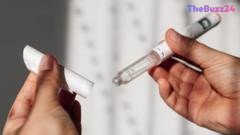
Cosmetics powerhouse L’Oreal has acknowledged that the surging popularity of modern weight loss treatments is beginning to leave a noticeable mark on the global beauty and skincare sectors. During a recent investor briefing, top corporate executives discussed how appetite-suppressing medications are shifting consumer purchasing habits, prompting the multinational beauty firm to adapt its product offerings to meet changing consumer demands.
The widespread adoption of GLP-1 receptor agonists—originally developed for diabetes management but increasingly utilized for substantial weight reduction—has created unique physiological side effects for users. Rapid weight loss frequently leads to skin laxity and sagging, particularly around the facial area. In response to these emerging beauty concerns, L’Oreal has positioned several of its premier skincare lines, including SkinCeuticals and Kiehl’s, to offer targeted solutions that complement the effects of these medical treatments.
Despite these shifting market dynamics, the broader beauty market continues to demonstrate strong resilience against challenging macroeconomic headwinds. L’Oreal recently reported better-than-expected quarterly sales figures, reflecting robust consumer demand across its extensive portfolio of global brands. To further capitalize on the intersection of medicine and aesthetics, the company has deepened its investments in clinical dermatology, notably increasing its stake in dermatology firm Galderma. As the intersection between pharmaceutical weight management and personal aesthetics continues to evolve, major beauty conglomerates are rapidly innovating to address the specific cosmetic needs of millions of GLP-1 users worldwide.
Key Takeaways
- L'Oreal confirms that the widespread use of GLP-1 weight loss medications is impacting consumer trends in skincare and beauty.
- Rapid weight loss often causes skin sagging and changes in facial appearance, prompting skincare brands to develop targeted treatments.
- The beauty giant has strengthened its position in the clinical aesthetics market by increasing its stake in dermatology firm Galderma.
Editor’s Analysis & Impact
The intersection of pharmaceutical weight loss and the beauty industry represents a fascinating and rapidly expanding market frontier. As millions of consumers adopt GLP-1 medications like Ozempic and Wegovy, secondary markets are naturally emerging to address the aesthetic consequences of rapid body transformation. L’Oreal’s proactive pivot—ranging from specialized topical skincare formulations to strategic investments in clinical dermatology—illustrates how traditional consumer goods companies must adapt to pharmaceutical disruptions. Looking ahead, we can expect deeper collaborations between beauty brands and life sciences companies. The ability to cater to the specific dermatological needs of weight-loss patients will likely become a major competitive advantage, permanently altering product development pipelines and marketing strategies across the global cosmetics sector.
Frequently Asked Questions
Q: How do weight loss drugs affect skincare consumption?
A: GLP-1 medications frequently lead to rapid weight loss, which can cause side effects like skin laxity and facial sagging, driving consumers to seek specialized skincare and aesthetic treatments.
Q: Which L'Oreal brands are addressing GLP-1 side effects?
A: Brands like SkinCeuticals and Kiehl's have been highlighted for offering products designed to work alongside weight loss treatments and address related skin concerns.
Q: How is L'Oreal expanding its footprint in clinical aesthetics?
A: The company has increased its stake in dermatology firm Galderma to 20% to better position itself in the clinical aesthetics and dermatology space.
AI Disclosure: This article is based on verified data and official reports. Our Team and AI have cross-referenced every financial detail with primary sources to ensure total accuracy.
More from this Category