Deadly Heatwave Grips Europe as Drowning Incidents Surge
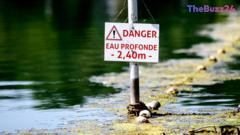
A severe and record-breaking heatwave is currently sweeping across Europe, leading to a tragic spike in drowning deaths as residents flock to rivers and reservoirs to escape the sweltering temperatures. In France alone, officials have reported 40 heat-related fatalities since last Thursday, prompting urgent warnings from government ministers regarding the dangers of swimming in unsupervised and potentially hazardous waters. The extreme conditions have pushed temperatures to historic highs, with many regions across France, Spain, Italy, and Germany under red-level weather alerts.
Public infrastructure and major landmarks are struggling to cope with the unprecedented thermal stress. In Paris, the Eiffel Tower and the Louvre Museum have both implemented early closures to protect staff and visitors, while regional authorities have advised citizens to work from home to avoid public transport disruptions caused by heat-warped rail tracks. Meanwhile, in the energy sector, the Golfech nuclear power plant in southwestern France was forced to suspend operations because the water in the Garonne River, used for cooling, exceeded legal temperature limits.
Across the continent, the situation remains critical. Spain is experiencing temperatures exceeding 40C, with meteorologists noting that June heatwaves are becoming significantly more frequent compared to previous decades. Italy has issued emergency labor protections to safeguard outdoor workers, and Germany is reporting a rise in fatal water-related accidents. As the heatwave moves toward the Netherlands and Belgium, health officials are urging the public to exercise extreme caution, particularly regarding the elderly and children, as Europe continues to warm at a rate twice the global average.
Key Takeaways
- A record-breaking heatwave across Europe has resulted in 40 drowning deaths in France alone as people seek relief in dangerous, unsupervised waters.
- Major cultural landmarks like the Louvre and the Eiffel Tower have reduced operating hours, and nuclear power plants have been forced to shut down due to rising water temperatures.
- Europe is warming twice as fast as the global average, leading to more frequent and intense heatwaves that are straining public infrastructure and emergency services.
Editor’s Analysis & Impact
The current European heatwave serves as a stark indicator of the accelerating impact of climate change on the continent’s infrastructure and public safety. Beyond the immediate human toll, the forced closure of nuclear power plants and the disruption of transport networks highlight the fragility of systems designed for a more temperate climate. Economically, the implementation of state-backed furlough support for workers in Italy and the loss of tourism revenue from shortened museum hours suggest a growing financial burden associated with extreme weather events. Looking forward, European nations will likely face immense pressure to invest in ‘climate-proofing’ critical infrastructure, from energy grids to urban cooling systems. The trend of increasingly frequent early-summer heatwaves suggests that current emergency protocols may soon become permanent seasonal requirements, fundamentally altering the European summer experience.
Frequently Asked Questions
Q: Why are drowning deaths increasing during this heatwave?
A: As temperatures soar, many people are attempting to cool off in rivers, canals, and reservoirs. Officials warn that these areas are often unsupervised, and individuals frequently underestimate the risks, such as strong currents or cold water shock.
Q: How is the heatwave affecting European energy production?
A: Extreme heat is impacting energy production because power plants, such as the Golfech nuclear plant in France, rely on river water for cooling. When river temperatures exceed legal limits, plants must reduce or cease operations to prevent environmental damage.
AI Disclosure: This article is based on verified data and official reports. Our Team and AI have cross-referenced every financial detail with primary sources to ensure total accuracy.
More from this Category