Deadly Military Airstrike Targets Myanmar Monastery During Buddhist Retreat, Killing 14
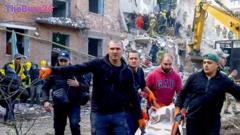
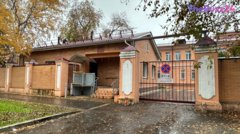
A devastating military airstrike struck a Buddhist monastery in Myanmar’s central Sagaing region on Friday morning, resulting in the deaths of at least 14 elderly civilians. The attack occurred in Myaung township, located approximately 70 kilometers west of Mandalay, where local residents had gathered for a meditation retreat to observe Buddhist Lent.
According to local emergency responders and opposition members, the religious site was targeted twice in rapid succession. The second bombardment reportedly took place while rescue teams were actively searching the rubble for survivors of the initial blast. Among the deceased were 11 men and three women, all aged between 50 and 70, while several Buddhist monks sustained injuries during the assault.
The military junta, which has been in power since ousting the democratically elected government of Aung San Suu Kyi in a February 2021 coup, has not issued an official statement regarding the incident. While the regime has consistently maintained that its aerial campaigns only target active rebel combatants and legitimate military objectives, opposition groups and international observers have frequently accused the junta of striking civilian infrastructure, including schools, hospitals, and places of worship.
Myanmar remains deeply fractured by an ongoing civil war that has escalated significantly over the past three years. The Sagaing region has emerged as a major stronghold for pro-democracy resistance forces, making it a frequent target for intense military operations and devastating airstrikes as the junta struggles to maintain control over the country.
Key Takeaways
- A double-tap military airstrike on a monastery in Myanmar's Sagaing region killed 14 elderly civilians during a Buddhist Lent meditation retreat.
- The second strike targeted the location while rescue workers were actively searching for survivors of the first attack.
- The incident highlights the escalating violence in Myanmar's ongoing civil war, which began after the 2021 military coup.
Editor’s Analysis & Impact
The latest airstrike in Sagaing underscores the Myanmar military’s increasingly desperate reliance on aerial warfare to suppress widespread domestic resistance. Lacking the ground forces to secure territory, the junta has turned to devastating air campaigns that frequently impact civilian infrastructure and religious sanctuaries. This strategy not only exacerbates the humanitarian crisis but also hardens the resolve of the pro-democracy opposition, making a negotiated settlement highly unlikely in the near term. Internationally, the attack is bound to intensify pressure on global bodies to enforce stricter arms embargoes and aviation fuel sanctions against the regime. However, with geopolitical divisions stalling decisive action at the UN Security Council, the conflict is projected to drag on, further destabilizing Southeast Asia and driving up displacement rates.
Frequently Asked Questions
Q: What caused the current conflict in Myanmar?
A: The conflict escalated into a full-scale civil war following a February 2021 military coup that ousted the democratically elected government led by Aung San Suu Kyi, leading to widespread public resistance and the formation of armed opposition groups.
Q: Why is the Sagaing region targeted so frequently?
A: Sagaing has become a primary stronghold for the anti-junta resistance movement, hosting numerous civil defense forces, which has made it a frequent target for military ground offensives and airstrikes.
Q: What is the significance of the targeted location?
A: The target was a Buddhist monastery where elderly civilians had gathered for a meditation retreat to mark Buddhist Lent, highlighting the growing toll of the conflict on religious sites and non-combatants.
AI Disclosure: This article is based on verified data and official reports. Our Team and AI have cross-referenced every financial detail with primary sources to ensure total accuracy.
More from this Category