Chevron CEO Warns Against ‘Unwise’ Diesel Export Ban Amid Fragile Global Energy Market
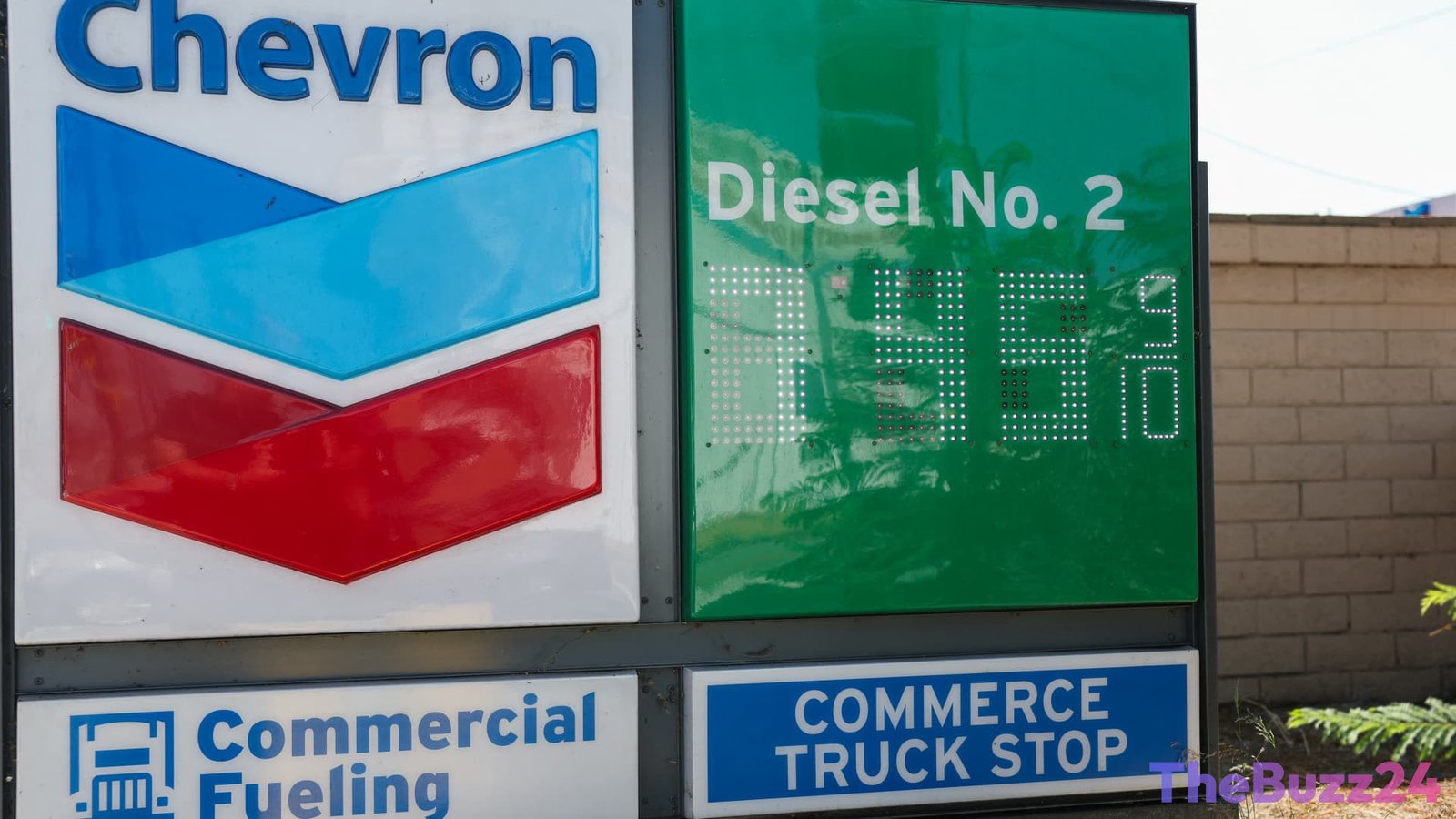
Chevron CEO Mike Wirth has voiced strong opposition to a potential U.S. diesel export ban, cautioning that such a policy could exacerbate existing supply pressures and erode international confidence in the United States as a dependable energy provider. Wirth emphasized that export restrictions, whether domestically or globally, ultimately reduce overall market supply, risking a worsening of the current energy landscape.
The warning comes amidst persistent global supply anxieties, despite some recent easing attributed to increased crude exports from the Middle East and a strategic release from G7 emergency stockpiles. However, energy markets remain highly sensitive, particularly with ongoing geopolitical tensions in the Middle East, including exchanges between Saudi Arabia and Iran-backed Houthi forces, which have disrupted shipping through critical waterways like the Strait of Hormuz. This vital chokepoint typically facilitates the transit of approximately 20% of the world’s oil and liquefied natural gas.
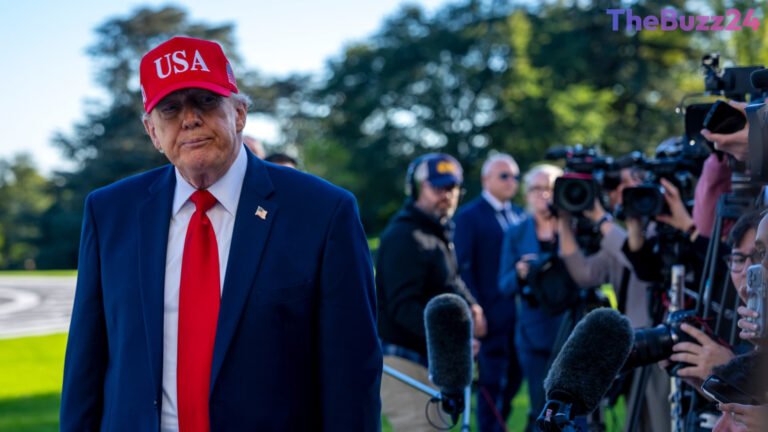
In response to high fuel costs, President Donald Trump recently approved measures to broaden the use of cheaper red-dyed diesel. This executive order temporarily allows truckers and farmers to utilize the tax-exempt fuel, typically reserved for off-road vehicles, and defers related taxes through the end of the year. This move aims to alleviate some of the financial burden on key sectors, though it operates independently of the broader export ban debate.
Wirth further described the global inventory situation as “very serious,” noting a significant drawdown of commercial and strategic reserves over recent months. He explained that these buffers, which previously provided resilience, are now at much lower levels, rendering the energy system more susceptible to disruptions. Echoing this sentiment, Saudi Aramco CEO Amin Nasser recently suggested that rebuilding global oil inventories could take up to two years, warning of potential further supply squeezes if current geopolitical conflicts persist. Chevron itself is looking to long-term solutions, pledging a substantial investment to more than double its oil production in Venezuela over the next five years, aiming for 600,000 barrels per day by 2031, though Wirth acknowledged this would take time and the immediate impact would be dwarfed by Middle East risks.
Key Takeaways
- Chevron CEO Mike Wirth warns that a U.S. diesel export ban could worsen global supply issues and undermine confidence in the U.S. as a reliable energy supplier.
- Global energy inventories are at critically low levels, making the system highly vulnerable to disruptions amidst ongoing geopolitical tensions in the Middle East.
- President Donald Trump has authorized the temporary broader use of tax-exempt red-dyed diesel to help mitigate high fuel costs for truckers and farmers.
Editor’s Analysis & Impact
The energy market is currently navigating a complex interplay of geopolitical instability, supply chain vulnerabilities, and policy decisions. Chevron CEO Mike Wirth’s warning highlights the delicate balance required to manage global energy flows without inadvertently exacerbating shortages. A U.S. diesel export ban, while potentially intended to secure domestic supply, could trigger retaliatory measures or further destabilize international markets, impacting allies and global prices. The depletion of strategic reserves underscores a systemic fragility, suggesting that even minor disruptions could have significant ripple effects. Future outlook points to continued volatility, with long-term investments in regions like Venezuela offering potential relief but not immediate solutions to the current tight market conditions. Policy makers face the challenge of balancing domestic needs with global energy security.
Frequently Asked Questions
Q: Why does Chevron's CEO oppose a U.S. diesel export ban?
A: Mike Wirth argues that an export ban would reduce global supply, potentially worsening the overall situation and damaging the U.S.'s reputation as a reliable energy supplier to its allies.
Q: What is the current state of global energy inventories?
A: Global energy inventories, including commercial and strategic reserves, have been significantly drawn down, making the system much more vulnerable to disruptions and supply shocks, especially heading into winter.
Q: What is red-dyed diesel and why is its use being expanded?
A: Red-dyed diesel is a tax-exempt fuel typically used for off-road vehicles like farm equipment and construction machinery. Its expanded temporary use, authorized by President Trump, aims to help reduce fuel costs for truckers and farmers.
AI Disclosure: This article is based on verified data and official reports. Our Team and AI have cross-referenced every financial detail with primary sources to ensure total accuracy.
More from this Category