Inside Hungary’s Lake Real Estate Boom: Luxury Developments Face Headwinds
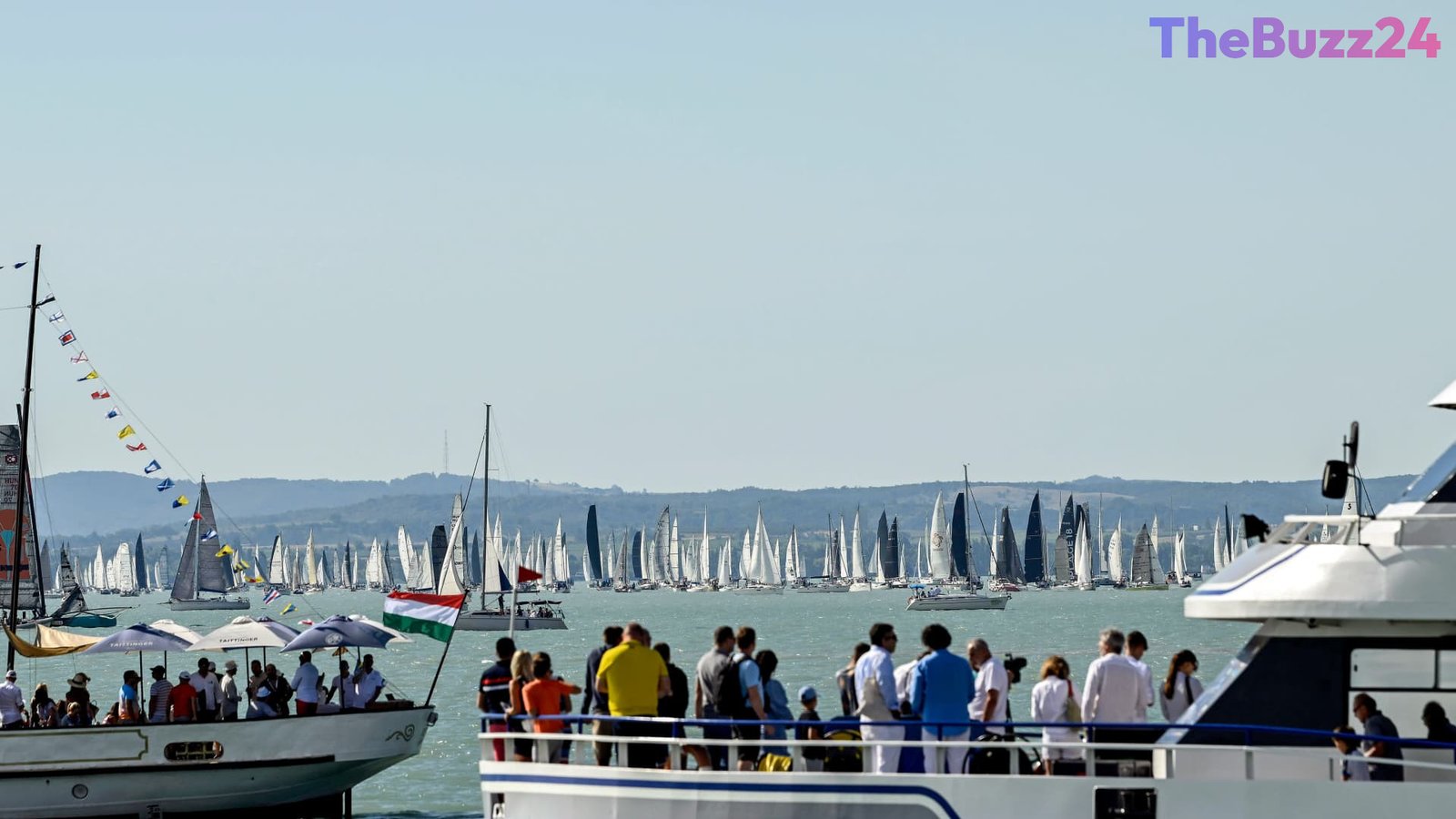
Lake Balaton, renowned as central Europe’s largest freshwater body, has long served as a cherished getaway for holidaymakers. In recent years, the picturesque region surrounding the nearly 200-kilometer shoreline has transformed significantly, particularly along its northern coast. Often dubbed the ‘Hamptons of Hungary,’ upscale enclaves like Balatonfüred and the Tihany peninsula have attracted affluent buyers, driving property values sharply upward and transforming quiet rural landscapes into high-end social and leisure hubs.
Despite this sustained popularity, the region’s real estate market is experiencing a complex shift. Property prices have seen minor cooling from their pandemic-era peaks due to elevated financing costs and a rising supply of newly built apartments. Furthermore, broader economic cycles have created challenging conditions for large-scale construction. For instance, ambitious luxury proposals like the Grand Balaton project in Balatonakarattya have secured necessary permits but remain on hold as developers wait for more favorable macroeconomic indicators before breaking ground.
The rapid commercialization and influx of luxury wealth have also introduced notable social friction. As affluent families from urban centers like Budapest snap up secondary residences and high-end villas, local residents increasingly find themselves priced out of the housing market. In response to mounting community concerns, government authorities have begun tightening oversight on select private luxury initiatives by revoking preferential development statuses. This regulatory push aims to restore a balance between modern economic expansion and the preservation of traditional local livelihoods centered around viticulture and rural heritage.
Key Takeaways
- Lake Balaton's northern coast has evolved into a luxury real estate hotspot, frequently compared to the Hamptons.
- High financing costs and cyclical market conditions have caused some major upscale development projects to stall.
- Local communities face affordability pressures, prompting government intervention to curb certain fast-track luxury developments.
Editor’s Analysis & Impact
The evolution of Lake Balaton highlights a classic tension between regional economic modernization and local socio-economic preservation. While high-end real estate investments have injected substantial capital into Hungary’s tourism and property sectors, they expose vulnerabilities tied to macroeconomic cycles, high interest rates, and construction financing. The shifting demographic—moving from traditional working-class vacationers to wealthy urban commuters—signals a permanent revaluation of prime European leisure real estate. Moving forward, developers must navigate tighter regulatory scrutiny and community pushback, meaning future growth will likely depend on balancing sustainable local integration with luxury appeal.
Frequently Asked Questions
Q: Why is Lake Balaton often called the 'Hamptons of Hungary'?
A: Parts of the northern coast have evolved to feature expensive second homes, vineyards, high-end restaurants, sailing, and a vibrant summer social scene that attracts affluent buyers.
Q: What is causing some luxury real estate projects around Lake Balaton to stall?
A: Higher financing costs, a growing supply of new apartments, and challenging cyclical market conditions have led developers to delay construction on several upscale projects despite having proper permits.
Q: How are local communities reacting to the real estate boom?
A: While the boom brings economic activity, locals are increasingly being priced out of the housing market. Consequently, the government has intervened by removing special regulatory statuses for certain luxury developments to give residents a stronger voice.
AI Disclosure: This article is based on verified data and official reports. Our Team and AI have cross-referenced every financial detail with primary sources to ensure total accuracy.
More from this Category