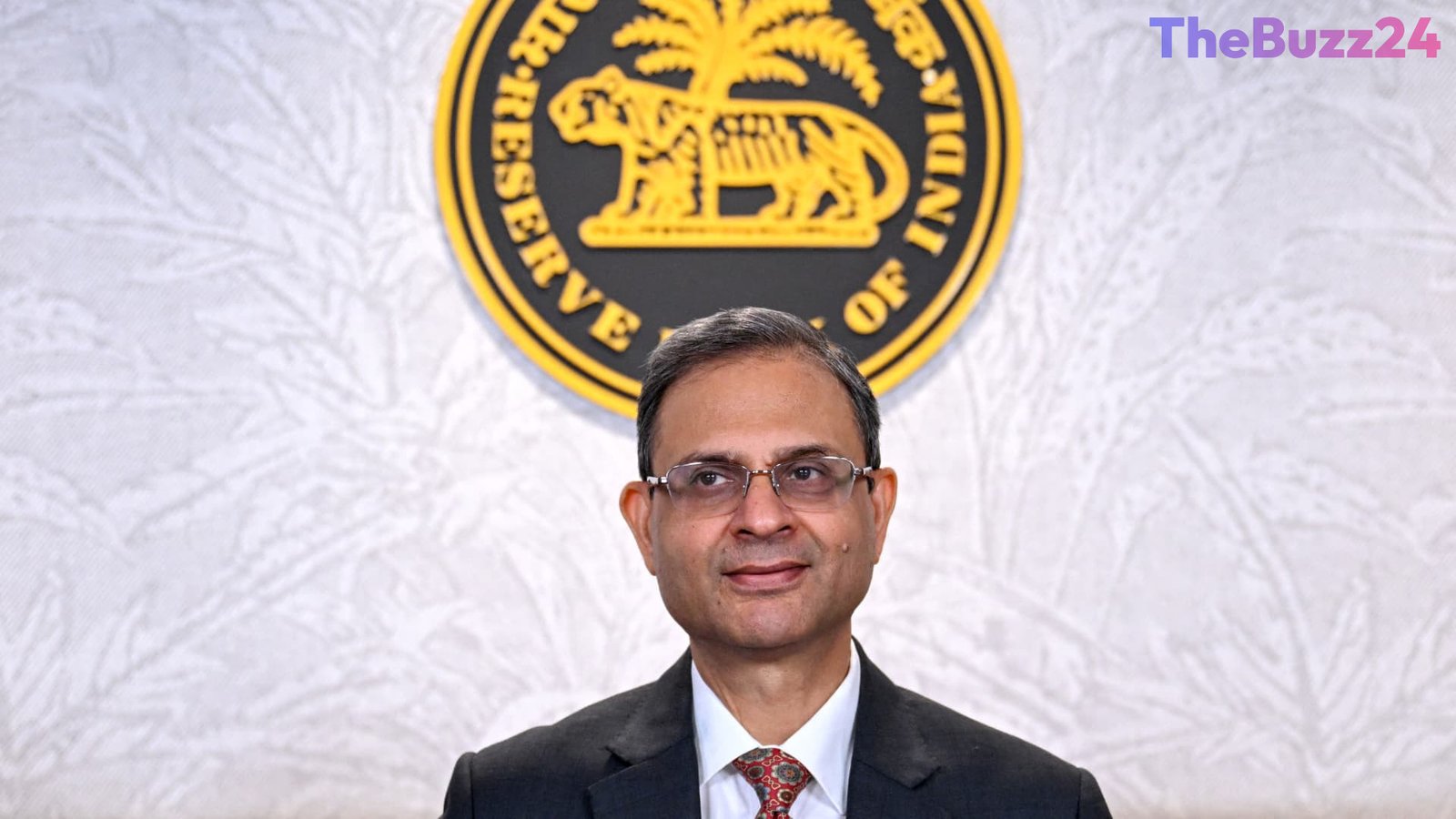
Reserve Bank of India Shifts Policy Stance with First Rate Hike Since 2023
The Reserve Bank of India (RBI) has officially shifted its monetary policy toward calibrated tightening, announcing a 25-basis-point increase in its benchmark repo rate to 5.5%. This move marks the first interest rate hike by the central bank since 2023, signaling a decisive effort to combat persistent inflationary pressures that have exceeded the bank’s medium-term target of 4% for ten consecutive months.
RBI Governor Sanjay Malhotra emphasized that while India’s economic growth remains resilient, the inflation outlook is no longer benign. Retail inflation reached 4.8% in August, prompting the central bank to adjust its stance to prioritize price stability. The decision aligns with broader global trends, as central banks worldwide move to tighten monetary policy in response to rising energy costs, geopolitical instability, and supply chain disruptions.
Despite the tightening measures, the RBI has raised its economic growth forecast for the country to 7.1%, citing strong domestic activity. However, officials remain cautious regarding external risks, including potential food price volatility linked to weather patterns and the country’s heavy reliance on imported fuel. Market reactions were immediate, with 10-year government bond yields rising to 7.243% and the Nifty 50 index experiencing a slight decline following the announcement.
Looking ahead, the central bank has signaled that further rate hikes remain a possibility if inflationary conditions do not improve. Analysts suggest that the RBI’s ability to maintain a credible, hawkish stance is essential to preserving India’s attractiveness to global investors during a period of heightened international economic uncertainty.
Key Takeaways
- The Reserve Bank of India raised the repo rate by 25 basis points to 5.5% to combat rising inflation.
- Retail inflation has remained above the 4% target for ten months, reaching 4.8% in August.
- Despite the rate hike, the RBI increased its economic growth projection to 7.1%, citing resilient domestic performance.
Editor’s Analysis & Impact
The RBI’s decision to pivot toward a tightening cycle reflects a global consensus among central banks struggling to balance growth with price stability. By raising rates, the RBI is attempting to anchor inflation expectations before they become entrenched, particularly as the country faces external shocks like volatile commodity prices and potential food supply disruptions. The market’s initial negative reaction—a dip in the Nifty 50—highlights the tension between cooling the economy and maintaining investor confidence. Moving forward, the RBI faces a delicate balancing act; if it acts too aggressively, it risks stifling the momentum of the world’s fastest-growing major economy, but if it remains too dovish, it risks capital flight and currency depreciation. The coming months will be critical in determining whether this ‘calibrated’ approach is sufficient to curb inflation without triggering a significant economic slowdown.
Frequently Asked Questions
Q: Why did the Reserve Bank of India decide to raise interest rates?
A: The RBI raised rates to curb persistent retail inflation, which has remained above the bank's 4% target for ten consecutive months.
Q: What is the current outlook for India's economic growth?
A: The RBI has raised its growth estimate to 7.1%, noting that the economy has shown resilience despite global geopolitical tensions and trade uncertainties.
AI Disclosure: This article is based on verified data and official reports. Our Team and AI have cross-referenced every financial detail with primary sources to ensure total accuracy.
More from this Category