Democratic Sweep Reshapes Crypto’s Legislative Outlook in Washington
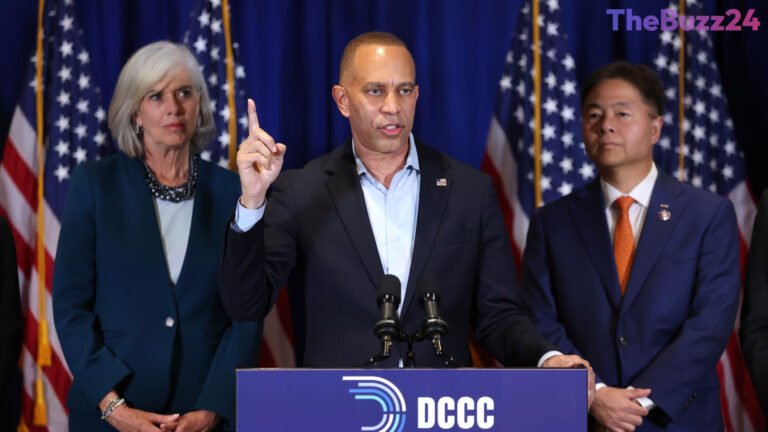
The recent shift in congressional power following a Democratic sweep is poised to significantly alter the legislative landscape for the cryptocurrency industry in Washington. Industry-friendly initiatives, such as the proposed Clarity Act, are now expected to face considerable delays, potentially being relegated to the back burner as the new Congress prioritizes different areas of focus.
Analysts suggest that the legislative agenda may pivot towards increased scrutiny of former President Donald Trump’s personal crypto dealings, including entities like World Liberty Financial. This shift is underscored by the continued influence of prominent crypto critics, such as Senator Sherrod Brown (D-Ohio) and Senator Elizabeth Warren (D-Mass), who are expected to play key roles in financial policy discussions. While Democrats have historically shown less enthusiasm for crypto compared to Republicans, a growing number within the party are beginning to acknowledge the industry’s potential, leading to a narrowing of this traditional partisan divide.
Despite the potential legislative hurdles, the cryptocurrency sector’s core priorities remain critical for maintaining U.S. competitiveness in the global digital economy. These include fostering stablecoin innovation, advancing decentralized finance (DeFi) development, ensuring banking access, promoting tokenization, and establishing sensible tax policies. The industry has invested heavily, spending over $200 million to support pro-crypto candidates in recent elections, aiming to push comprehensive market structure legislation forward.
However, the implications of the Democratic victory are not entirely negative. Crypto has achieved a level of financial integration that is increasingly difficult to reverse, with its future leaning towards establishing itself as essential financial infrastructure. Even if major legislative efforts like the Clarity Act are stalled for years, progress can still be made through rule-making by key financial regulators. Furthermore, the incoming Congress is anticipated to welcome a record number of new members who are considered pro-crypto, signaling a growing bipartisan recognition of the industry’s importance. Past bipartisan successes, such as the Genius Act for stablecoins, offer a potential blueprint for future collaboration, suggesting that technological advancements and market adoption may continue to drive the industry forward regardless of immediate legislative outcomes.
Key Takeaways
- A Democratic-controlled Congress is likely to delay industry-friendly crypto legislation like the Clarity Act, shifting focus to scrutinizing former President Trump's crypto dealings.
- Despite legislative setbacks, the crypto industry's core priorities (stablecoins, DeFi, tokenization) remain crucial for U.S. global competitiveness.
- Bipartisan support for crypto is growing, with a record number of pro-crypto members entering Congress, and progress can continue through regulatory rule-making and technological adoption.
Editor’s Analysis & Impact
The shift in congressional dynamics presents a complex outlook for the cryptocurrency industry. While the immediate prospect of comprehensive federal legislation, such as the Clarity Act, appears diminished, this period could force the industry to mature its advocacy and focus on regulatory engagement at agency levels. The increased scrutiny on figures like former President Trump could also lead to a more cautious approach from policymakers, potentially impacting public perception. However, the growing bipartisan presence of pro-crypto voices in Congress, coupled with the irreversible integration of digital assets into the financial system, suggests that long-term growth and innovation will likely persist. The industry may need to adapt by emphasizing consumer protection and financial stability to gain broader political consensus, potentially leading to more targeted, incremental regulatory advancements rather than sweeping legislative overhauls.
Frequently Asked Questions
Q: What is the Clarity Act and why is its status significant?
A: The Clarity Act is proposed legislation aimed at providing clear operating rules and a comprehensive market structure for the cryptocurrency industry in the United States. Its potential stalling under the new Congress is significant because it means the industry may continue to operate without a clear federal regulatory framework, potentially leading to ongoing uncertainty and regulation by enforcement.
Q: How might the new Congress impact stablecoin development?
A: While broader crypto legislation like the Clarity Act may be delayed, stablecoin development could still see progress. The bipartisan 'Genius Act' for stablecoins, passed last year, demonstrates a precedent for cross-party cooperation on specific crypto issues. This suggests that focused efforts on stablecoin regulation, potentially through agency rule-making or targeted legislation, could continue to advance even without a comprehensive crypto bill.
Q: Is bipartisan support for cryptocurrency still possible in Washington?
A: Yes, bipartisan support for cryptocurrency is not only possible but appears to be growing. Despite traditional partisan divides, a record number of pro-crypto members are entering Congress from both parties. Industry leaders and advocacy groups emphasize crypto's bipartisan nature, highlighting that clear rules benefit consumers and foster innovation, appealing to a wide range of political perspectives.
AI Disclosure: This article is based on verified data and official reports. Our Team and AI have cross-referenced every financial detail with primary sources to ensure total accuracy.
More from this Category