Afghanistan’s Unfolding Tragedy: Families Confront Unthinkable Choices Amidst Deepening Hunger Crisis
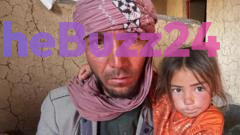
Afghanistan is currently grappling with a profound humanitarian catastrophe, as millions of its citizens endure extreme poverty, widespread unemployment, and a critical scarcity of fundamental resources. The nation faces unprecedented levels of food insecurity, with nearly three-quarters of the population struggling to meet their most basic needs. In provinces such as Ghor, the situation has deteriorated to such an extent that fathers are reportedly contemplating the unimaginable act of selling their own children to ensure the survival of the rest of their families.
The escalating crisis is largely attributed to a significant reduction in international aid, compounded by a devastating and persistent drought that has pushed the country to the brink of famine. Many families, who once relied on vital support like flour, cooking oil, and medical supplements, now find themselves without any safety net. The economic landscape has stagnated following the collapse of the previous administration and the subsequent withdrawal of foreign assistance, leaving heads of households to compete for scarce, low-paying manual labor that barely covers the cost of a single meal.
Across the country, medical facilities are overwhelmed by the influx of malnourished patients. Neonatal units, in particular, are frequently overcrowded, with healthcare professionals reporting numerous preventable deaths due to a severe lack of essential medicines and medical equipment. Families are often compelled to remove their sick infants from hospitals prematurely because they cannot afford the out-of-pocket treatment costs, leaving the most vulnerable without professional care in life-threatening conditions.
While some officials point to long-term infrastructure and mining projects as potential avenues for economic recovery, these initiatives offer little immediate relief to those facing starvation. In communities where child mortality rates are reportedly on the rise, the devastating human cost of this crisis is starkly visible in the growing number of small gravesites. Without an urgent and substantial influx of humanitarian aid and concerted efforts to stabilize the economy, millions remain trapped in a cycle of impossible choices, fighting daily for their very right to survive.
Key Takeaways
- Afghanistan is experiencing a severe humanitarian crisis, with nearly three-quarters of its population unable to meet basic needs due to extreme poverty and food insecurity.
- The crisis is exacerbated by a significant decline in international aid, persistent drought, economic stagnation following the withdrawal of foreign assistance, and widespread unemployment.
- Families are resorting to desperate measures for survival, healthcare facilities are overwhelmed, and child mortality rates are rising, underscoring an urgent need for humanitarian intervention and economic stabilization.
Editor’s Analysis & Impact
The deepening humanitarian crisis in Afghanistan represents a catastrophic failure of global support and governance, with profound implications. Economically, the country is in freefall, demonstrating the fragility of nations heavily reliant on external aid and the devastating impact of its abrupt cessation. The future outlook is grim; without immediate and sustained international intervention, the crisis will likely worsen, leading to increased mortality, mass displacement, and further social instability. This situation underscores the broader implications of geopolitical shifts and the human cost when a nation’s support structures collapse. It also highlights the critical need for a coordinated global response that prioritizes human rights and basic survival over political complexities, serving as a stark warning about the consequences of neglecting vulnerable populations.
Frequently Asked Questions
Q: What is the primary cause of the deepening crisis in Afghanistan?
A: The crisis is primarily driven by a severe decline in international aid, prolonged drought conditions, widespread unemployment, and the economic stagnation that followed the collapse of the former administration and the withdrawal of foreign assistance.
Q: How is the humanitarian crisis impacting families and children?
A: Families are facing extreme poverty and food insecurity, with some reportedly considering desperate measures like selling children for survival. Medical facilities are overwhelmed, leading to preventable deaths among infants due to lack of resources and families being unable to afford treatment.
Q: What is needed to alleviate the crisis?
A: Urgent and substantial humanitarian aid is required to address immediate needs like food, medicine, and basic supplies. Additionally, long-term economic stabilization efforts are crucial to create sustainable livelihoods and prevent the country from spiraling further into famine and despair.
AI Disclosure: This article is based on verified data and official reports. Our Team and AI have cross-referenced every financial detail with primary sources to ensure total accuracy.
More from this Category