Devastating Dual Earthquakes Strike Venezuela, Causing Widespread Structural Collapse
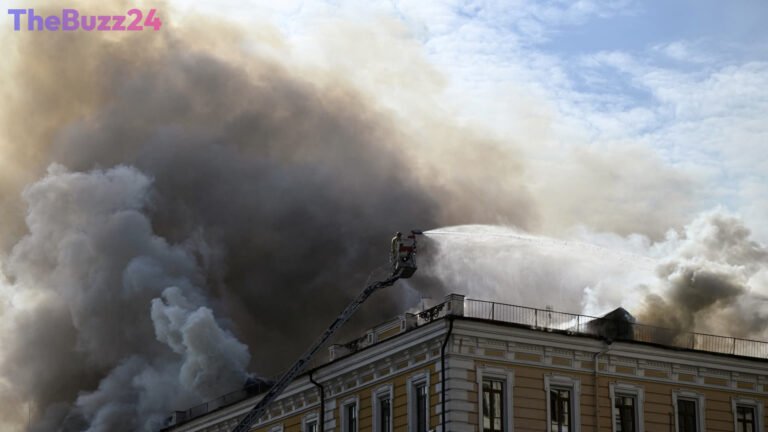
A series of powerful earthquakes struck western Venezuela on Wednesday, triggering widespread destruction and raising fears of a significant humanitarian crisis. The seismic activity began with a magnitude 7.2 tremor located approximately 160 kilometers west of Caracas, followed almost immediately by a second, even stronger magnitude 7.5 earthquake. The back-to-back events have caused severe damage to infrastructure, with multiple buildings reported collapsed across the capital city.
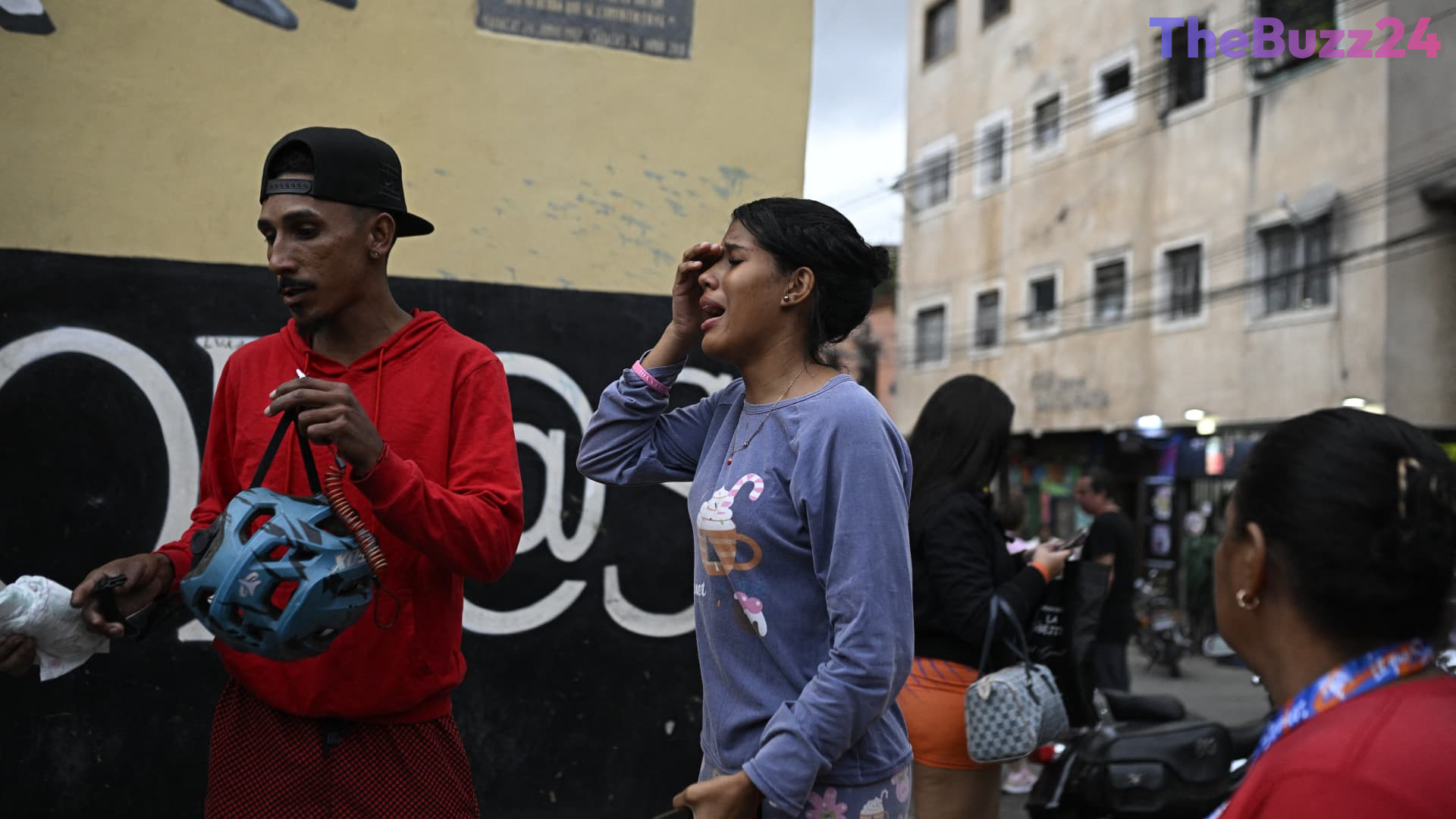
Interior Minister Diosdado Cabello confirmed that residential structures and commercial buildings have been leveled, prompting urgent search and rescue operations. Emergency responders were seen navigating the rubble as darkness fell, attempting to locate survivors amidst the debris. The timing of the disaster, which occurred during a public holiday commemorating Venezuela’s independence, meant that many residents were inside their homes when the tremors struck, leading to chaotic scenes of evacuation and panic.
Venezuela is situated in a highly active seismic zone where the Caribbean and South American tectonic plates intersect. While the nation has a history of significant seismic events, including a destructive quake in 1967, residents described these latest tremors as unprecedented in their intensity. In the immediate aftermath, regional authorities and international monitoring bodies briefly issued tsunami warnings for nearby islands, including Aruba, Curacao, and Bonaire, though these alerts were rescinded shortly thereafter as the threat subsided.
Key Takeaways
- Two major earthquakes of magnitude 7.2 and 7.5 struck west of Caracas, Venezuela, in rapid succession.
- Widespread structural damage and building collapses have been reported, with emergency services currently engaged in rescue efforts.
- The region remains seismically volatile due to its location on the boundary of the Caribbean and South American tectonic plates.
Editor’s Analysis & Impact
The dual-earthquake event in Venezuela presents a catastrophic challenge for the nation’s infrastructure and emergency response capabilities. Given the magnitude of the tremors, the economic and social impact will likely be severe, potentially straining the country’s resources for years to come. From a humanitarian perspective, the immediate focus must remain on search and rescue, but the long-term outlook involves a massive reconstruction effort. The incident highlights the critical need for modernized building codes and robust disaster preparedness in seismically active regions. As the full extent of the casualties becomes clear, the international community will likely be called upon to provide aid, which may further complicate the geopolitical landscape depending on the nature of the response and the existing diplomatic relations with the Venezuelan government.
Frequently Asked Questions
Q: What caused the earthquakes in Venezuela?
A: The earthquakes were caused by the movement of tectonic plates, specifically the collision between the Caribbean Plate and the South American Plate, which creates a highly active seismic zone.
Q: Was there a tsunami threat following the earthquakes?
A: Yes, the U.S. Tsunami Warning System initially issued a threat for Puerto Rico, the U.S. and British Virgin Islands, and nearby islands like Aruba, Curacao, and Bonaire, but the warning was withdrawn within an hour.
AI Disclosure: This article is based on verified data and official reports. Our Team and AI have cross-referenced every financial detail with primary sources to ensure total accuracy.
More from this Category