VeraCrypt Windows Users Face Potential Boot Failures Following Microsoft Account Lockout
Users of the popular open-source encryption software VeraCrypt are facing a looming technical crisis after Microsoft terminated the developer account used to sign Windows drivers and bootloaders. Mounir Idrassi, the creator of the software, reported that his access was revoked without explanation or a clear path for appeal, leaving him unable to provide the necessary digital signatures required for Windows compatibility.
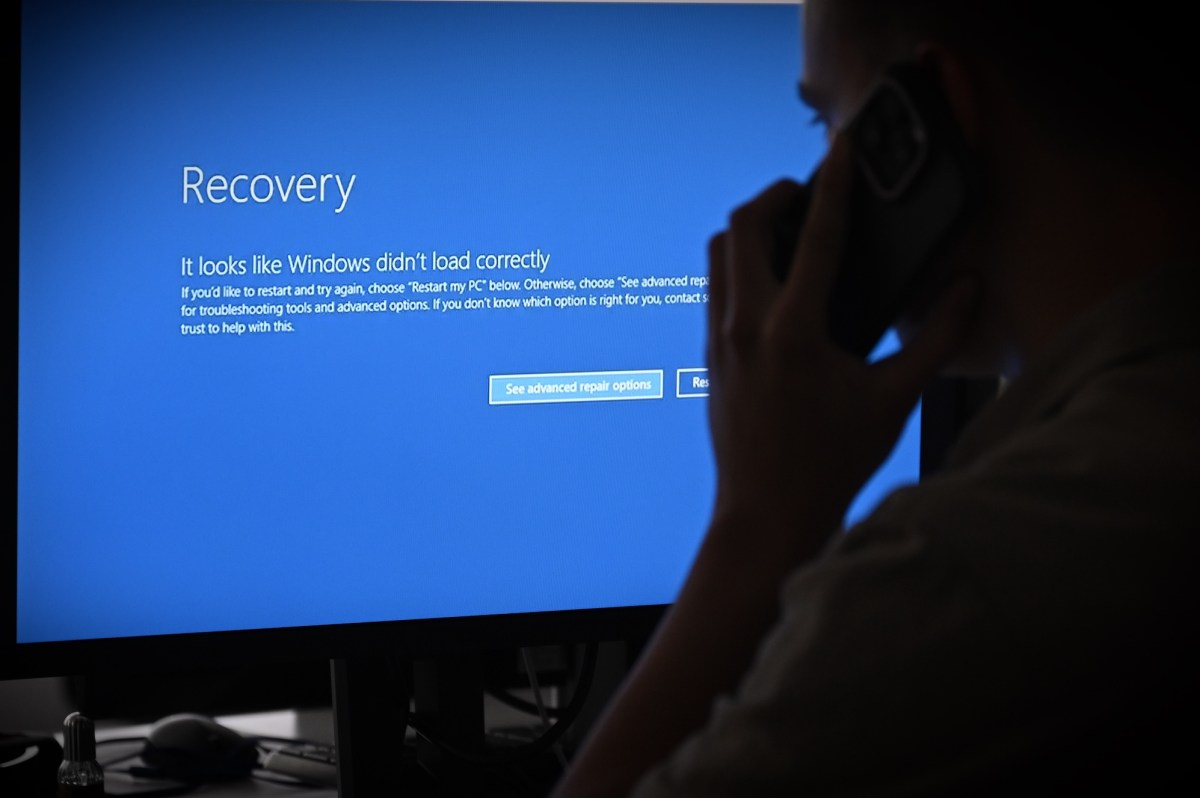
Because Microsoft mandates that developers periodically re-verify security certificates, the inability to sign new updates poses a significant threat to system stability. While the software remains functional for the time being, Idrassi warned that devices utilizing full system encryption may encounter critical boot-up failures as early as late June. This timeline aligns with the expected expiration or revocation of the current certificate authority used to validate the software’s integrity.
While VeraCrypt continues to operate normally for Linux and macOS users, the Windows ecosystem remains uniquely vulnerable due to the platform’s strict driver-signing requirements. Idrassi has attempted to resolve the matter through official channels but has been unable to reach a human representative at Microsoft. The situation highlights the precarious nature of third-party software distribution, where a single administrative decision by a platform owner can effectively disable essential security tools for a global user base.
Key Takeaways
- VeraCrypt developer Mounir Idrassi lost access to his Microsoft developer account, preventing him from signing Windows drivers.
- Windows users with full system encryption may face boot-up failures starting in late June due to expiring security certificates.
- The issue is currently limited to the Windows platform, with Linux and macOS versions of the software remaining unaffected.
Editor’s Analysis & Impact
This incident underscores the immense power platform gatekeepers like Microsoft hold over independent software developers. By controlling the certificate signing process, these companies can inadvertently—or intentionally—cripple essential security tools. For the cybersecurity industry, this serves as a stark reminder of the risks associated with centralized trust models. If a critical open-source tool like VeraCrypt can be sidelined without a transparent appeals process, it raises questions about the long-term viability of third-party security software on proprietary operating systems. Moving forward, developers may need to seek more decentralized or platform-agnostic distribution methods to avoid being held hostage by the administrative policies of major tech conglomerates. The lack of human support for developers in such critical situations remains a significant failure in the current ecosystem.
Frequently Asked Questions
Q: Is VeraCrypt currently safe to use?
A: Yes, there are no identified security flaws in the software, and it continues to function normally for now. The primary risk is a potential inability to boot Windows systems starting in late June.
Q: Are Linux and macOS users affected by this issue?
A: No, the issue is specific to the Windows platform's requirement for digital signatures on drivers and bootloaders.
Q: What happens if the certificate is revoked?
A: If the certificate is revoked or expires without a new signature, Windows may prevent the software from loading during the boot process, potentially rendering the encrypted system inaccessible.
AI Disclosure: This article is based on verified data and official reports. Our Team and AI have cross-referenced every financial detail with primary sources to ensure total accuracy.
More from this Category