Diplomatic Standoff: Trump Claims Iran Talks Are Active Despite Tehran’s Denials
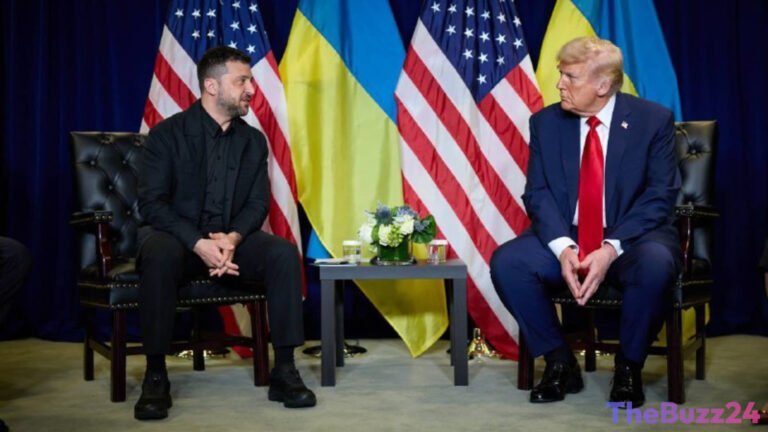
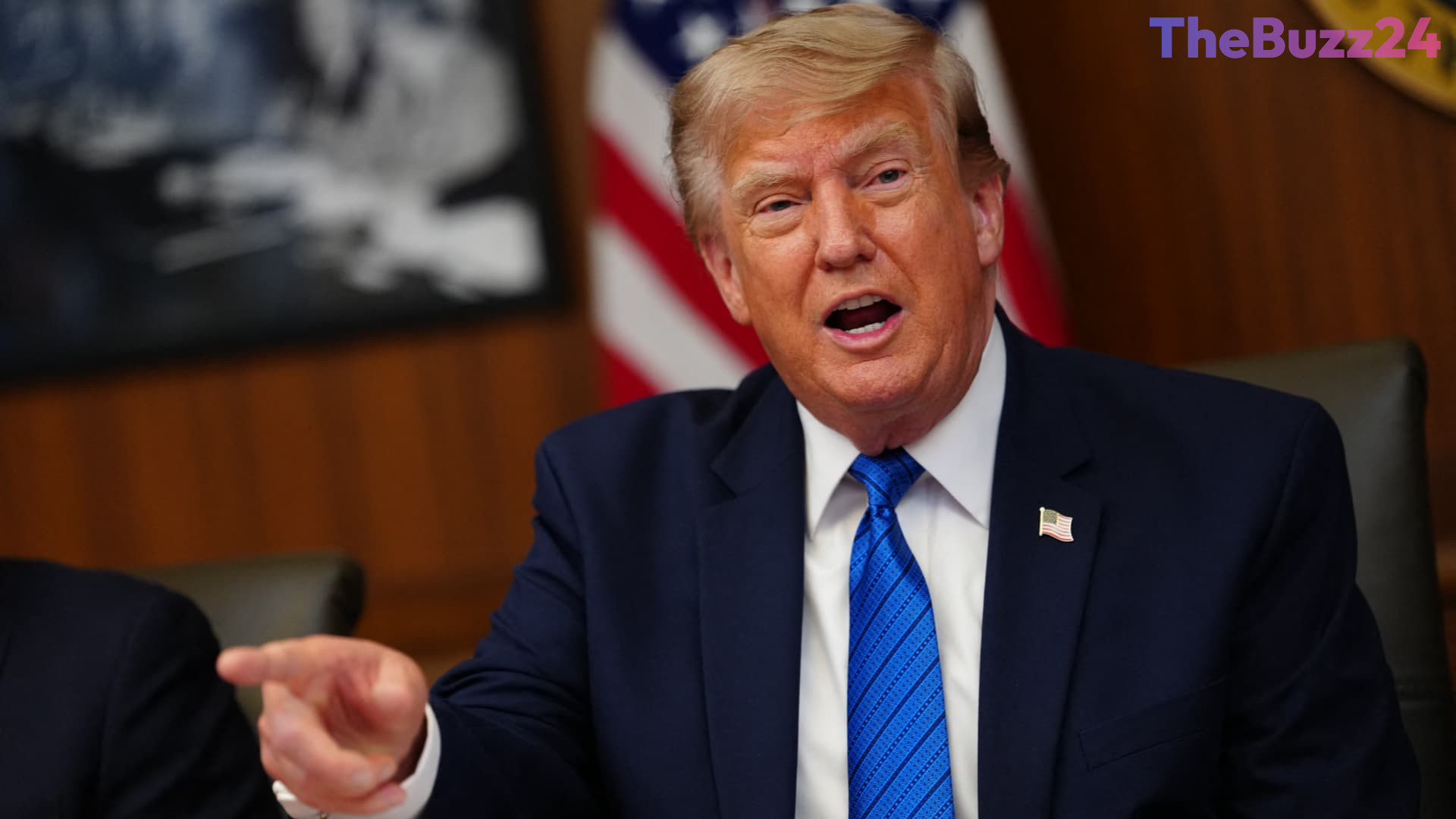
Tensions between Washington and Tehran have reached a new level of uncertainty as conflicting reports emerge regarding the status of peace negotiations. President Donald Trump recently asserted that diplomatic discussions are actively underway, directly contradicting statements from Iranian officials who claim no such plans for direct engagement exist. Trump characterized the Iranian leadership as “duplicitous,” insisting that progress is being made regardless of Tehran’s public stance.
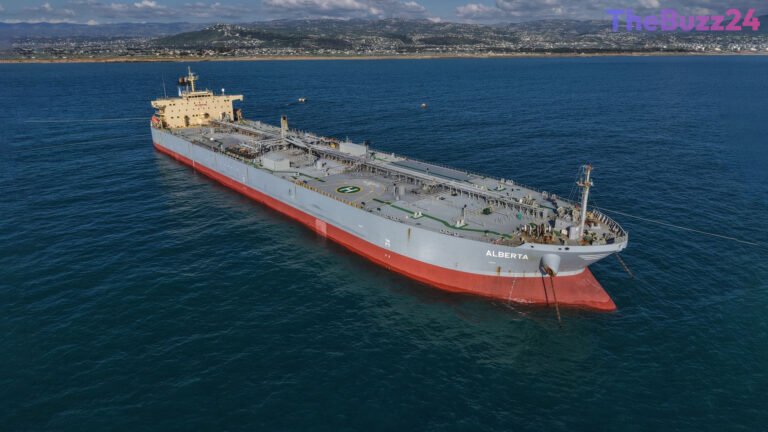
Central to the ongoing friction is the control of the Strait of Hormuz, a critical maritime artery for global energy supplies. While Trump maintains that the U.S. holds full authority over the waterway, shipping traffic remains significantly suppressed compared to pre-conflict levels. The situation is further complicated by reports of maritime security incidents, including a recent explosion reported near a tanker off the coast of Oman, which underscores the persistent risks to commercial vessels despite ongoing diplomatic maneuvering.
While the U.S. and Iran remain at odds over the existence of direct talks, a secondary diplomatic track involving Oman appears to be gaining momentum. Iranian officials have indicated that negotiations with Muscat regarding the future management of the Strait of Hormuz are in their final stages. This parallel effort, potentially involving regional stakeholders and international powers, aims to establish a new framework for shipping that could serve as a precursor to broader de-escalation, even as military flare-ups continue to threaten regional stability.
Key Takeaways
- President Trump insists that U.S.-Iran peace talks are active, while Iranian officials publicly deny any plans for direct negotiations.
- The Strait of Hormuz remains a primary point of contention, with ongoing maritime security incidents complicating efforts to restore normal shipping traffic.
- A separate diplomatic track between Iran and Oman is reportedly nearing a conclusion, focusing on a new framework for managing the vital waterway.
Editor’s Analysis & Impact
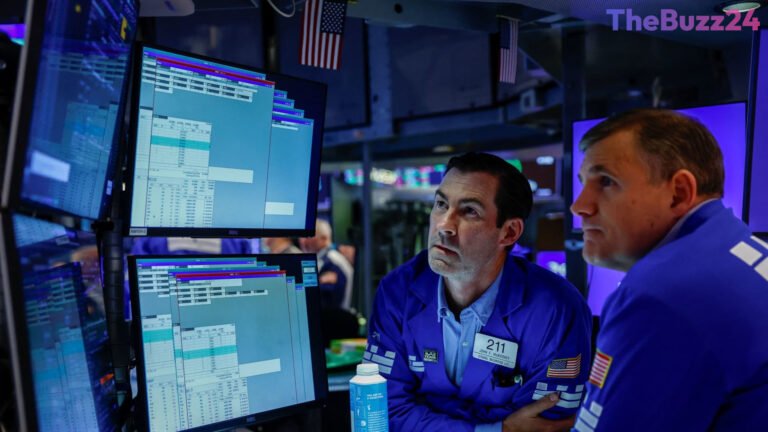
The current diplomatic impasse highlights the extreme volatility inherent in the U.S.-Iran conflict. By publicly claiming a deal is imminent while Tehran denies engagement, the administration is likely attempting to exert domestic political pressure and signal strength to global markets. However, the disconnect between rhetoric and reality creates a dangerous environment for miscalculation. From a market perspective, the uncertainty keeps energy prices sensitive to every headline. The shift toward an Oman-mediated maritime framework suggests that while a comprehensive ‘grand bargain’ remains elusive, regional actors are prioritizing the stabilization of shipping lanes to prevent a total economic collapse. Future stability will depend on whether these back-channel negotiations can survive the periodic military skirmishes that continue to plague the region, as any failure to secure the Strait could trigger a significant global supply chain crisis.
Frequently Asked Questions
Q: Why is the Strait of Hormuz significant to the current conflict?
A: The Strait of Hormuz is a vital maritime chokepoint for global oil and gas shipments. Its closure or restricted access significantly impacts global energy prices and international trade, making it a central focus of both military posturing and diplomatic negotiations.
Q: What is the role of Oman in the current U.S.-Iran situation?
A: Oman is acting as a key mediator, engaging in parallel negotiations with Iran to establish a new management framework for the Strait of Hormuz. This track is seen as a potential pathway to de-escalation that operates independently of the direct, and often stalled, U.S.-Iran diplomatic efforts.
AI Disclosure: This article is based on verified data and official reports. Our Team and AI have cross-referenced every financial detail with primary sources to ensure total accuracy.
More from this Category