Democratic Republic of Congo Receives First Group of US-Deported Migrants
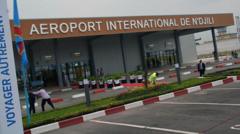
The Democratic Republic of Congo has officially accepted its first group of individuals deported from the United States, signaling a notable shift in international migration management. A group of fifteen people, primarily originating from South American nations such as Colombia and Peru, arrived at N’djili International Airport in Kinshasa on Friday morning. This arrival marks the beginning of a series of planned transfers established under a recent bilateral agreement between the two governments.
Kinshasa officials have clarified that the presence of these individuals is strictly temporary. The arrivals have been granted short-stay permits, adhering to national laws regarding foreign residency. To support this logistical undertaking, the United States has committed to providing the necessary funding to cover reception, medical care, and general support for the group. Congolese authorities emphasized that this arrangement is not a permanent relocation program or an outsourcing of migration policy, but rather a gesture of international cooperation intended to maintain humanitarian standards.
This move aligns with a broader strategy by the United States to manage border security through third-country arrangements, a policy that has previously seen migrants sent to nations including Ghana, South Sudan, and Eswatini. The agreement occurs within a complex diplomatic landscape, as Washington and Kinshasa continue to navigate various shared interests. These include ongoing mediation efforts regarding regional conflicts involving M23 rebels and Rwanda, as well as strategic negotiations concerning the Democratic Republic of Congo’s significant reserves of critical minerals, such as cobalt, copper, and lithium.
Key Takeaways
- The Democratic Republic of Congo has accepted its first group of 15 US-deported migrants under a new bilateral agreement.
- The arrivals are primarily from South American countries and are being held on temporary, short-stay permits funded by the US government.
- The arrangement is part of a wider US strategy to manage migration through third-country partnerships while maintaining diplomatic ties with the DRC.
Editor’s Analysis & Impact
The implementation of this migration agreement highlights the evolving nature of international border management, where powerful nations increasingly rely on third-country partnerships to process or house migrants. For the Democratic Republic of Congo, this move is likely a strategic diplomatic maneuver to strengthen ties with Washington, potentially influencing negotiations over critical mineral access and regional security mediation. However, the policy raises significant questions regarding the long-term sustainability of such arrangements and the potential for humanitarian strain on host nations. As the US continues to prioritize strict border enforcement, these ‘third-country’ solutions may become a standard, albeit controversial, feature of global migration policy. The success of this initiative will likely be measured by the DRC’s ability to manage these populations without domestic political backlash or economic instability, while the US will be watching to see if this model can be scaled to other regions.
Frequently Asked Questions
Q: Are the migrants being permanently relocated to the Democratic Republic of Congo?
A: No, the Congolese government has stated that the stay is strictly temporary and the individuals have been granted short-stay permits.
Q: Who is funding the care of these individuals?
A: The United States is providing the necessary funding to manage the reception, medical care, and support for the deportees.
AI Disclosure: This article is based on verified data and official reports. Our Team and AI have cross-referenced every financial detail with primary sources to ensure total accuracy.
More from this Category