Florida Grapples with Historic Drought as Water Reserves Hit Record Lows
Florida is currently navigating its most severe water crisis in over a decade, with nearly 80 percent of the state grappling with extreme drought conditions. Following an exceptionally dry 2025, the region is facing a significant moisture deficit that has disrupted the state’s typically lush environment and placed unprecedented strain on critical infrastructure. The rapid escalation of these conditions has forced officials to confront the reality of a landscape that is increasingly parched and vulnerable.
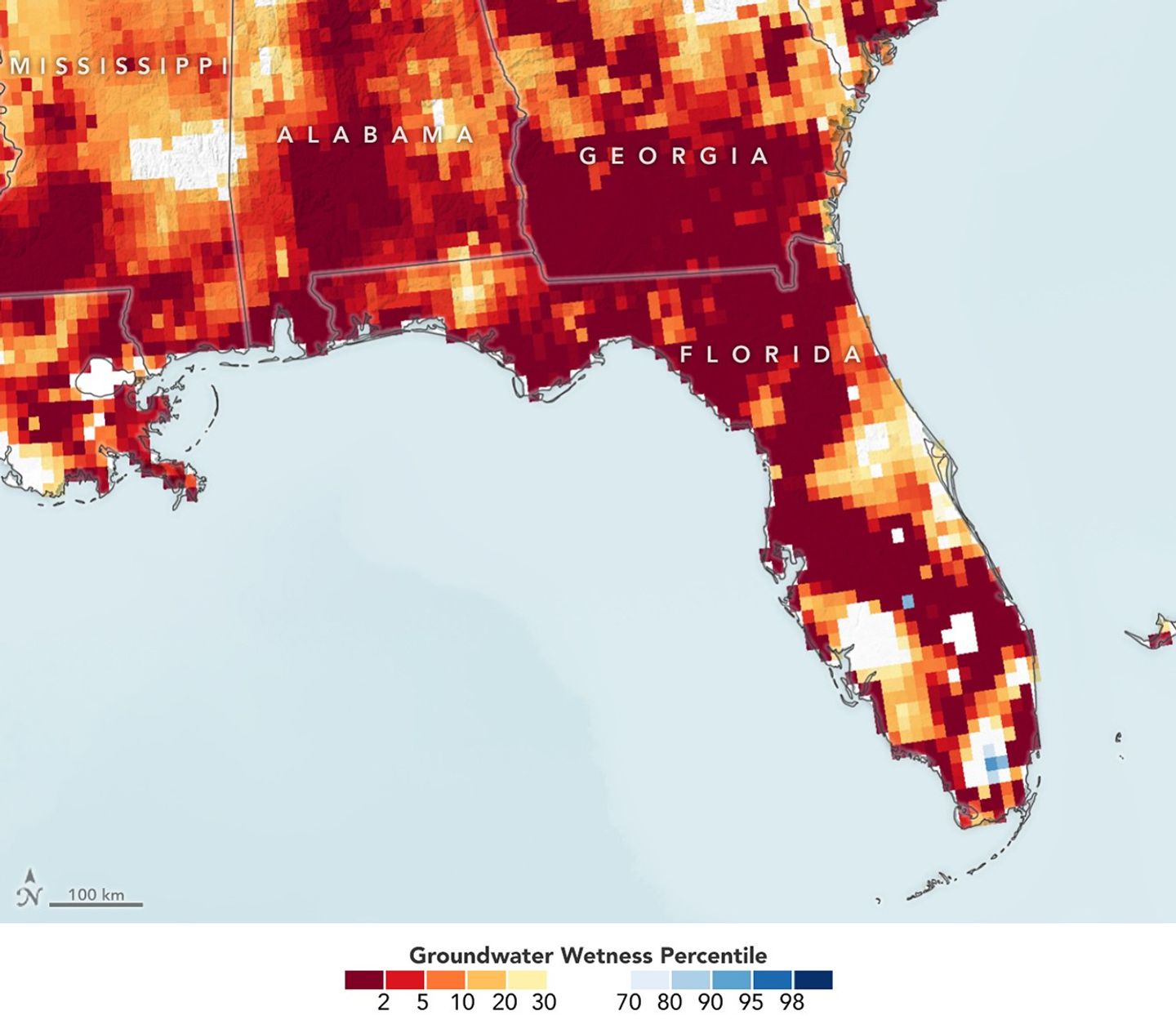
The situation is particularly dire for the state’s underground water reserves, which are essential for both public consumption and agricultural irrigation. Satellite and ground-level monitoring reveal that shallow aquifers in northern and central Florida have plummeted to levels not observed since the mid-20th century. This depletion poses a long-term threat to water sustainability, as the natural replenishment cycles have been severely interrupted by the lack of consistent rainfall.
In response, local water management districts have rolled out stringent mandates to limit non-essential water usage, including bans on lawn irrigation and vehicle washing. The agricultural sector is facing significant hardship, with farmers struggling to maintain crops already stressed by recent freezes. Beyond the economic impact, the drought has heightened the risk of wildland fires and is placing extreme pressure on sensitive ecosystems, including the Everglades. While meteorologists are monitoring potential weather systems that could offer temporary relief, authorities remain on high alert as they manage the ongoing environmental emergency.
Key Takeaways
- Approximately 80 percent of Florida is currently classified as being in an extreme drought, marking the most severe conditions since 2012.
- Groundwater levels in central and northern regions have reached historic lows, threatening both public drinking water and the agricultural industry.
- Statewide water restrictions are now in effect to mitigate the risk of wildfires and protect fragile ecosystems like the Everglades.
Editor’s Analysis & Impact
The current drought in Florida highlights the growing volatility of regional climate patterns and the vulnerability of existing water management infrastructure. Economically, the agricultural sector faces immediate risks, which could lead to supply chain disruptions and higher prices for Florida-grown produce. The depletion of groundwater aquifers suggests that current consumption models may be unsustainable in the face of shifting weather trends. Looking ahead, the state will likely need to prioritize significant investments in water recycling and desalination technology to ensure long-term resource security. As urban expansion continues to compete with agricultural needs, policymakers must balance immediate conservation mandates with a broader strategy for climate adaptation to prevent future systemic failures in water delivery.
Frequently Asked Questions
Q: What is the primary cause of the current water shortage in Florida?
A: The shortage is primarily driven by a prolonged lack of precipitation throughout 2025 and early 2026, which has prevented the natural replenishment of shallow aquifers.
Q: How are authorities addressing the water crisis?
A: Water management districts have enacted strict mandates to curb non-essential water consumption, such as limiting lawn irrigation and vehicle washing, while monitoring wildfire risks and ecosystem health.
AI Disclosure: This article is based on verified data and official reports. Our Team and AI have cross-referenced every financial detail with primary sources to ensure total accuracy.
More from this Category