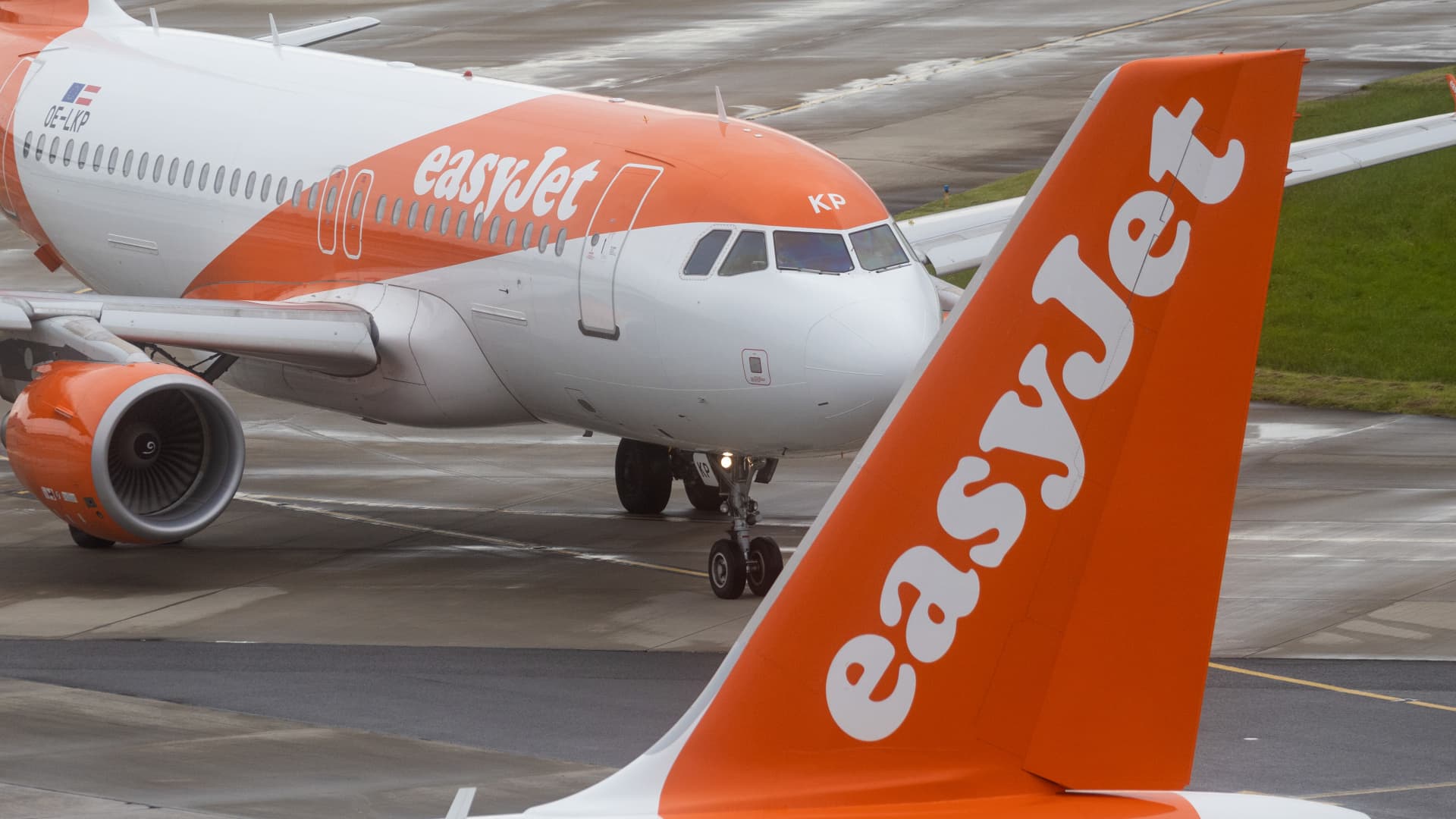
EasyJet Faces Financial Headwinds Amid Rising Fuel Costs and Geopolitical Instability
EasyJet shares saw a notable 5% decline this week as the airline issued a cautious outlook regarding its near-term financial performance. The budget carrier is currently navigating a challenging environment defined by escalating fuel expenses and the ripple effects of ongoing conflict in the Middle East, which have collectively dampened consumer demand and increased operational costs.
In March alone, the airline incurred an additional £25 million in fuel costs, a direct consequence of the recent surge in global oil prices. As the company approaches its first-half earnings report scheduled for May 21, it has projected a headline pre-tax loss between £540 million and £560 million for the period ending March 31. Compounding these fiscal pressures is a shift in consumer behavior; the airline reports a ‘shortened booking curve,’ with travelers waiting longer to finalize their travel plans, which makes revenue forecasting increasingly difficult.
Looking ahead, bookings for the third and fourth quarters are currently tracking two percentage points behind the previous year. To manage this volatility, EasyJet has hedged 70% of its summer fuel requirements at $706 per metric ton, though the remaining supply leaves the company exposed to further market fluctuations. Despite these hurdles, leadership remains confident in the airline’s resilience, citing a strong balance sheet and £4.7 billion in liquidity as key buffers against the current geopolitical climate.
Key Takeaways
- EasyJet shares dropped 5% following warnings about rising fuel costs and geopolitical instability.
- The airline expects a pre-tax loss of up to £560 million for the first half of the year.
- A 'shortened booking curve' and lower forward bookings are complicating revenue projections for the upcoming quarters.
Editor’s Analysis & Impact
The challenges facing EasyJet are emblematic of the broader vulnerabilities within the European aviation sector. As airlines remain highly sensitive to fuel price volatility and geopolitical disruptions, the reliance on hedging strategies has become a critical, yet insufficient, defense. The ‘shortened booking curve’ suggests a shift in consumer confidence, likely driven by economic uncertainty and the fear of travel disruptions. If the conflict in the Middle East persists, the industry may face systemic risks, including potential fuel shortages and increased operational costs that could force a rise in ticket prices. While EasyJet’s strong liquidity provides a temporary safety net, the airline—and its competitors—must prepare for a prolonged period of instability where operational agility will be just as important as financial reserves in maintaining market share.
Frequently Asked Questions
Q: Why are EasyJet's fuel costs increasing?
A: EasyJet's fuel costs are rising primarily due to surging global oil prices, which have been exacerbated by geopolitical tensions in the Middle East.
Q: What is a 'shortened booking curve' and why does it matter?
A: A shortened booking curve means that customers are waiting until closer to their departure dates to book flights. This makes it difficult for airlines to accurately forecast revenue and manage capacity effectively.
AI Disclosure: This article is based on verified data and official reports. Our Team and AI have cross-referenced every financial detail with primary sources to ensure total accuracy.
More from this Category