European Central Bank Prepares Policy Shift as Energy Costs Fuel Inflationary Pressures
The European Central Bank (ECB) has signaled a firm commitment to restoring price stability, reaffirming its dedication to a 2% inflation target. This policy stance follows a sharp rise in eurozone inflation, which reached 3% in April, up from 1.9% prior to recent geopolitical instability in the Middle East. The central bank has indicated it is prepared to deploy necessary monetary tools to curb these rising pressures and prevent long-term economic destabilization.
Energy market volatility, exacerbated by the closure of the Strait of Hormuz, has emerged as the primary catalyst for the current inflationary spike. As a region heavily reliant on energy imports, Europe is facing significant upward pressure on the costs of gasoline, diesel, and jet fuel. These supply-side shocks have sparked widespread concern regarding a potential energy crisis and the subsequent erosion of consumer purchasing power across the eurozone.
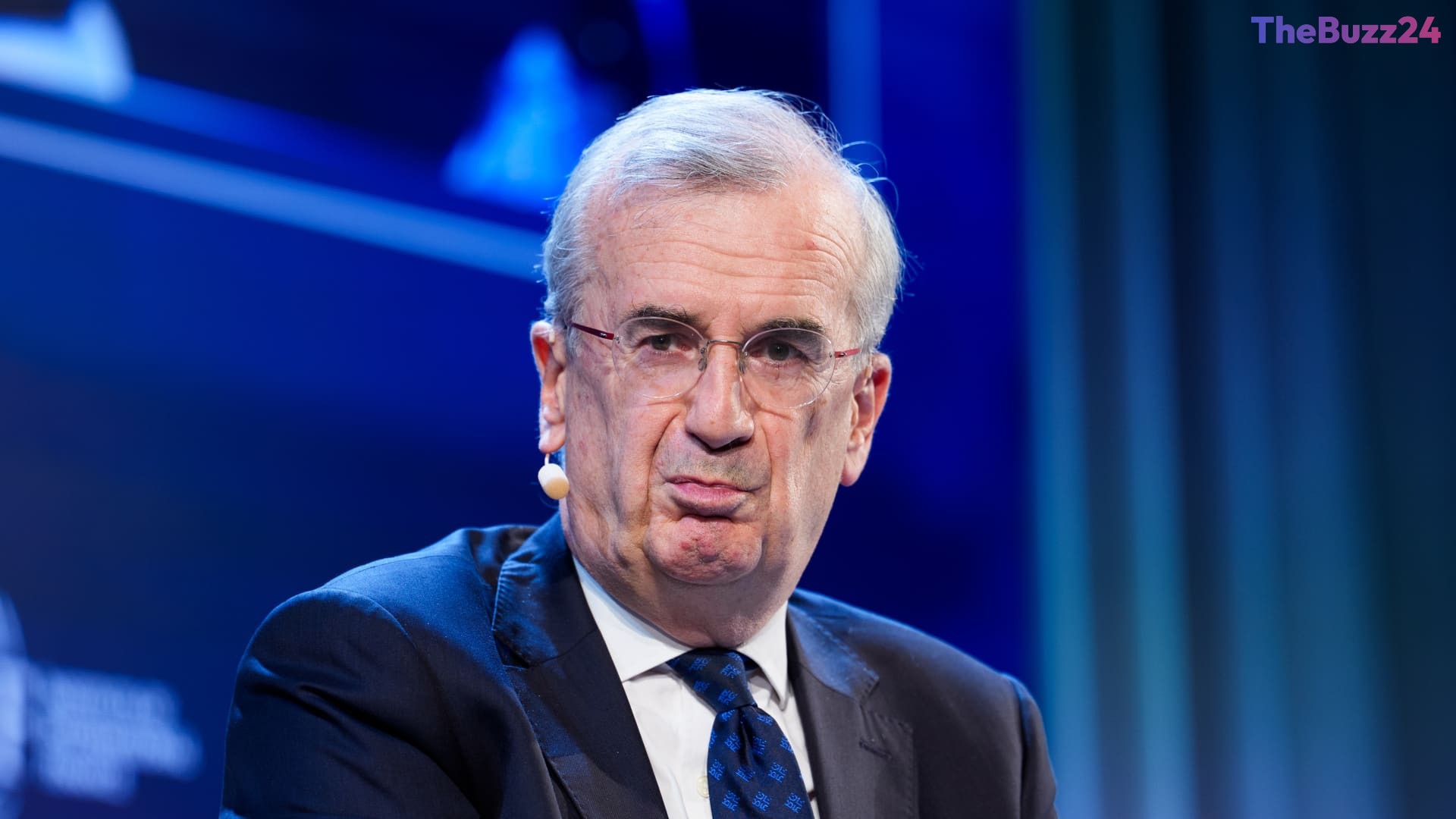
Francois Villeroy de Galhau, Governor of the Bank of France and a member of the ECB’s Governing Council, emphasized that while current price hikes are largely driven by immediate energy costs, the bank remains hyper-vigilant against secondary effects. Policymakers are particularly concerned about wage-price spirals and shifting inflation expectations among businesses and households, which could entrench higher inflation rates if left unchecked.
In anticipation of a more aggressive monetary approach, financial markets are already adjusting, with investors pricing in potential interest rate hikes. Many analysts expect the ECB to take decisive action during its upcoming June meeting. The resulting volatility in government bond markets underscores the market’s expectation that the central bank will prioritize inflation control over previous accommodative measures to stabilize the broader economic landscape.
Key Takeaways
- Eurozone inflation has surged to 3%, prompting the ECB to signal a shift toward more hawkish monetary policy.
- Energy supply disruptions, specifically the closure of the Strait of Hormuz, are identified as the primary drivers of current price volatility.
- The ECB is closely monitoring for 'second-round' effects, such as wage growth, to prevent inflation from becoming a persistent structural issue.
Editor’s Analysis & Impact
The ECB’s pivot toward a more hawkish stance reflects the precarious balance between managing supply-side shocks and preventing a broader economic slowdown. By signaling potential rate hikes, the central bank is attempting to anchor inflation expectations before they become embedded in the labor market. However, this strategy carries significant risks; aggressive tightening in an environment already strained by high energy costs could dampen consumer demand and stifle growth. The market’s reaction in the bond sector suggests that investors are bracing for a period of volatility as the ECB attempts to navigate the ‘second-round’ effects. Moving forward, the effectiveness of these measures will depend heavily on the duration of energy supply disruptions and the resilience of European industrial output against rising operational costs.
Frequently Asked Questions
Q: Why is the ECB considering interest rate hikes?
A: The ECB is considering rate hikes to combat rising inflation, which has reached 3%, and to prevent secondary effects like wage-price spirals that could make high inflation persistent.
Q: What is the primary cause of the current inflation in the eurozone?
A: The primary cause is the surge in energy costs, driven by geopolitical tensions and the closure of the Strait of Hormuz, which has significantly increased the price of fuel and energy imports.
AI Disclosure: This article is based on verified data and official reports. Our Team and AI have cross-referenced every financial detail with primary sources to ensure total accuracy.
More from this Category