Economic Anxiety Persists: Public Mood Darkens Despite Market Gains
Despite a surging stock market and recent declines in gasoline prices, a significant majority of Americans remain deeply concerned about their financial future, according to a recent nationwide survey. This widespread pessimism, fueled by persistent angst over rising costs for food and other essential goods, marks a notable disconnect between economic indicators and public sentiment.
The survey reveals that 61% of the public is pessimistic about the current state of the economy and its future outlook, the highest percentage recorded since December 2023. This sour mood is translating directly into consumer behavior, with 47% of individuals reporting cutbacks on essential items like food and medical care – a 6-point increase since April. Furthermore, two-thirds of Americans are reducing purchases of non-essentials such as dining out and entertainment, and more are cutting back on travel and increasing credit card usage. This trend is particularly pronounced among lower-income households, where 60% of those earning under $30,000 are reducing essential outlays, compared to 35% of those earning over $100,000.
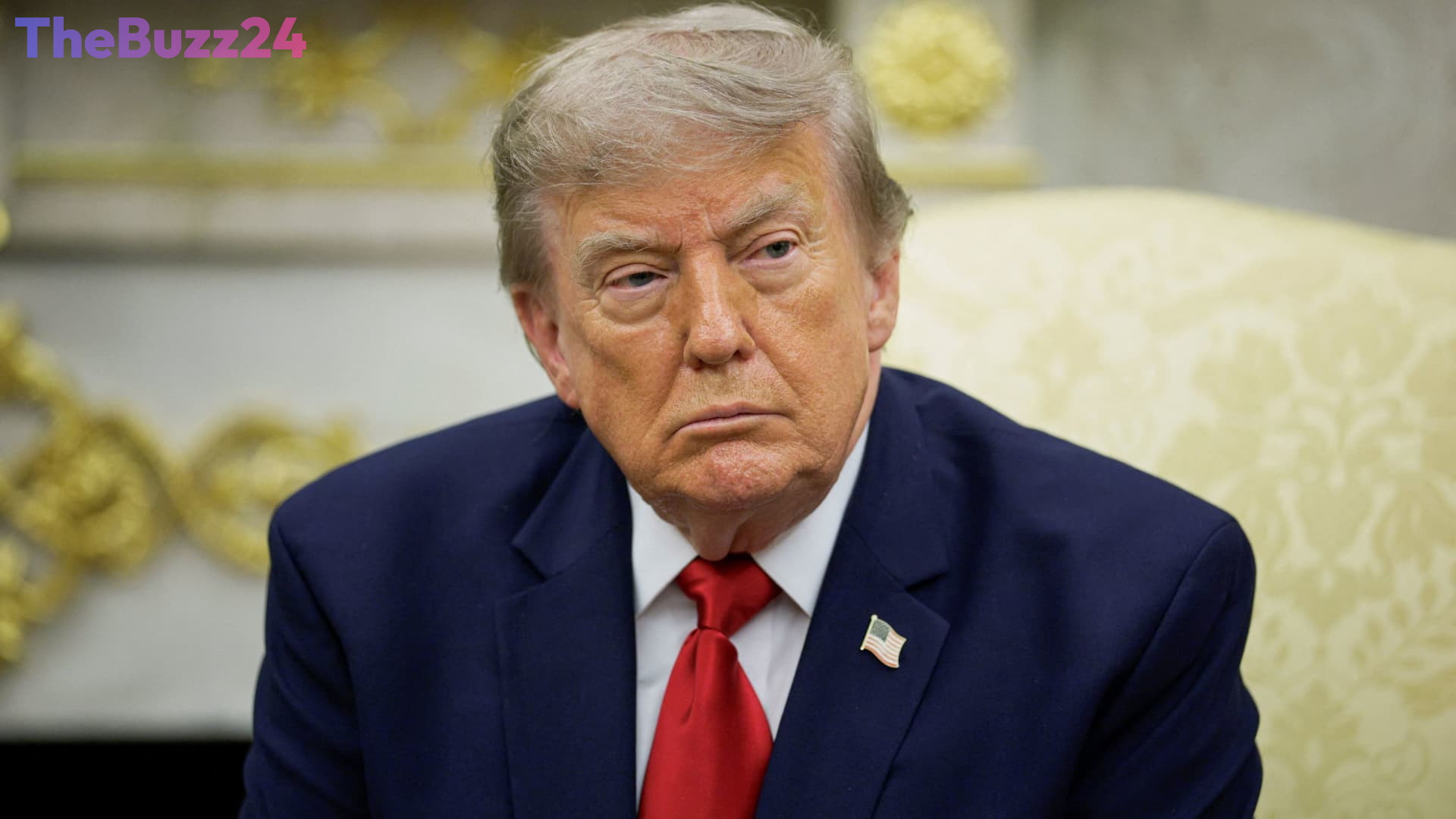
Politically, this economic dissatisfaction is having a clear impact. President Donald Trump’s approval rating stands at 40%, with a significant majority disapproving of his handling of the economy, inflation, and the war with Iran. His net approval on the economy is particularly low, at -22, placing him at one of the lowest points in his political career. Even among non-MAGA Republicans, support for his handling of the Iran conflict is divided.
However, the challenging economic climate has not translated into an overwhelming advantage for the Democratic Party. While Democrats hold a modest 4-point lead in public preference for congressional control, the electorate appears sharply divided, with partisans largely entrenched in their respective camps. Key issues also reveal partisan splits: Democrats lead on concerns over food costs and “protecting democracy,” while Republicans hold a substantial lead on immigration and border security. Support for military action against Iran has also waned, with only 48% now believing it is worthwhile, down from 53% previously.
Key Takeaways
- A significant majority of Americans (61%) are pessimistic about the current and future economic outlook, leading to widespread cutbacks in essential and non-essential spending.
- President Donald Trump faces low approval ratings, particularly concerning his handling of the economy, inflation, and the war with Iran, reflecting public dissatisfaction.
- Despite economic concerns, the electorate remains deeply divided, with Democrats holding only a modest advantage in congressional preference, as partisan loyalties largely persist.
Editor’s Analysis & Impact
The persistent public pessimism, despite some positive economic indicators, signals a significant challenge for policymakers and businesses alike. A slowdown in consumer spending, particularly among lower-income demographics, could create headwinds for the retail and service sectors, potentially dampening overall economic growth. The disconnect between a surging stock market and widespread public anxiety highlights a growing disparity in economic experience, which could exacerbate social tensions and influence future policy debates. Politically, the data suggests a highly polarized election cycle, where economic dissatisfaction is not automatically translating into a clear advantage for the opposition. This indicates that deeply entrenched partisan loyalties and differing priorities on issues like immigration and healthcare will continue to shape the political landscape, making broad consensus difficult to achieve.
Frequently Asked Questions
Q: What is the current public sentiment regarding the economy?
A: A significant majority of Americans, 61%, express pessimism about both the current and future state of the economy, marking the highest level of concern since late 2023.
Q: How are rising costs affecting consumer behavior?
A: Nearly half of the public is cutting back on essential items like food and medical care, while two-thirds are reducing non-essential spending such as dining out and entertainment. This trend is more pronounced among lower-income households.
Q: What are the political implications of this economic outlook?
A: President Donald Trump's approval ratings are low, especially concerning his economic management and handling of the war with Iran. While Democrats hold a slight lead in congressional preference, the electorate remains sharply divided, suggesting a closely contested political landscape.
AI Disclosure: This article is based on verified data and official reports. Our Team and AI have cross-referenced every financial detail with primary sources to ensure total accuracy.
More from this Category