Election Integrity Under Scrutiny: Past Legal Battles and Monitoring Efforts Raise Concerns for Future Elections
The Trump administration undertook a comprehensive campaign to challenge and influence state election procedures, sparking significant pushback from Democratic state attorneys general and civil rights organizations. These efforts, which included legal actions, attempts to alter ballot rules, and a proposed increase in poll monitors, culminated around a critical Election Day, raising profound questions about election integrity and the balance of power between federal and state authorities. The administration’s actions were met with widespread concern over potential voter intimidation and the undermining of democratic processes.
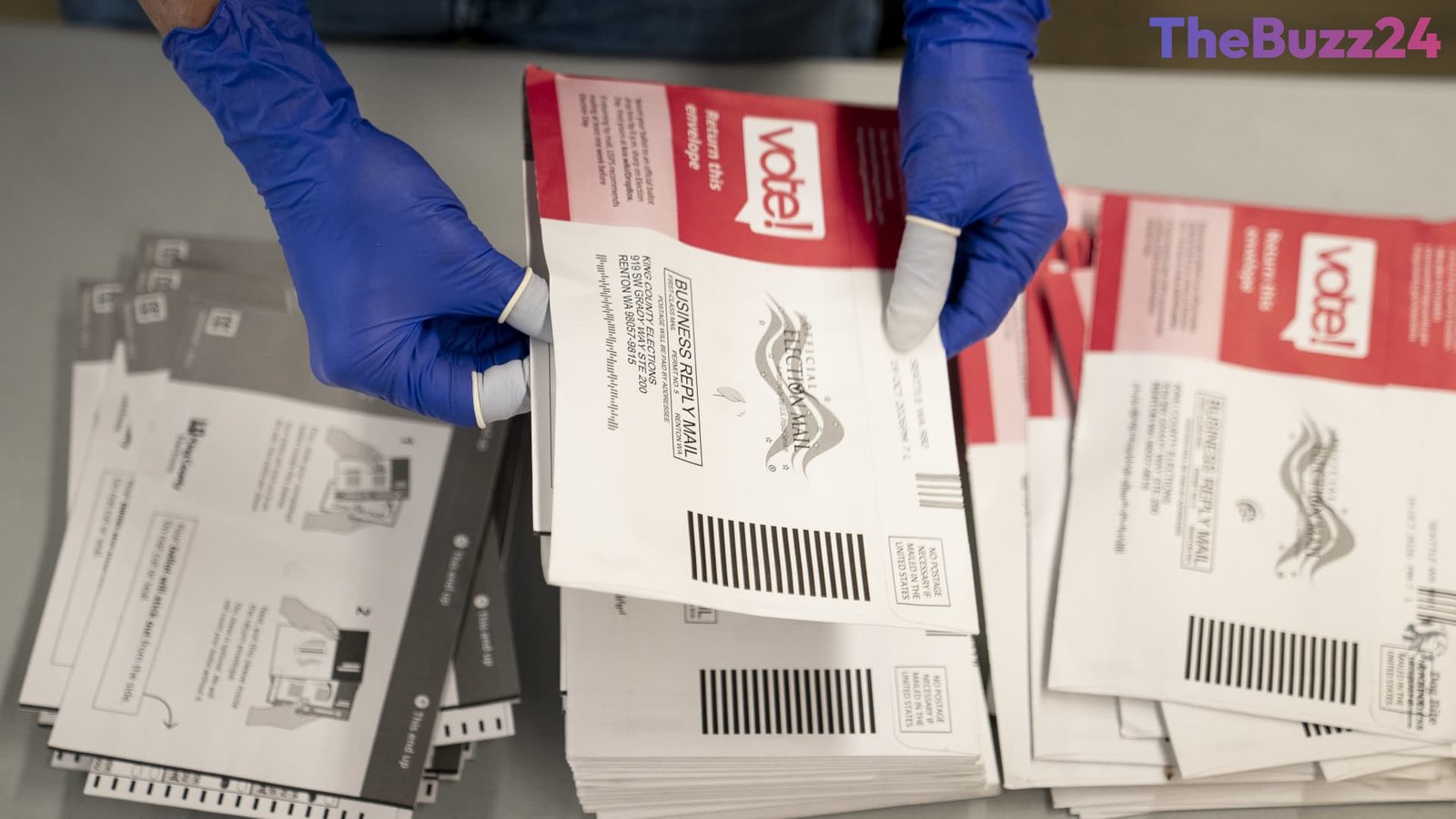
Among the specific initiatives were numerous lawsuits targeting various state election practices. For instance, the Department of Justice (DOJ) pursued a case in Alaska seeking to delay election certification and asked the Supreme Court to block California from counting approximately 20,000 mail-in ballots, alleging potential non-citizen voting. Both efforts were ultimately rejected by the courts, with the Supreme Court denying the California request without dissent and a District Court judge dismissing the Alaska lawsuit, emphasizing that election administration falls under state, not federal, purview. Additionally, the DOJ announced plans to deploy a significantly increased number of election monitors—up to 1,000 across all 50 states, a tenfold increase from previous cycles—a move that prompted an emergency request from the NAACP to bar law enforcement personnel from serving in these roles.
State officials and advocacy groups, anticipating these challenges, engaged in extensive preparations. California Attorney General Rob Bonta stated that Democratic state attorneys general had “war-gamed” all possibilities for election interference, ready to counter any attempts to disenfranchise voters or interfere with ballot counts. Civil rights organizations, such as the Legal Defense Fund, highlighted that the administration’s tactics, including threatening letters to state election officials regarding record retention, aimed to intimidate voters and officials, create confusion, and lay the groundwork for post-election challenges. These groups consistently argued that the president and the executive branch have no official role in administering elections, which are constitutionally managed by the states.
Despite judicial setbacks for the administration’s legal challenges, the concerns raised by these past actions continue to resonate. Democratic lawmakers and state attorneys general have vowed to remain vigilant, preparing for potential future attempts to interfere with the electoral process. The ongoing debate underscores the critical importance of safeguarding election integrity and upholding the constitutional framework that delegates election administration to individual states, ensuring that the will of the voters is respected without undue federal influence.
Key Takeaways
- The Trump administration engaged in extensive efforts to challenge state election procedures, including lawsuits, new ballot rules, and increased poll monitoring.
- Democratic state attorneys general and civil rights groups actively prepared for and countered these efforts, citing concerns about voter intimidation and undermining election integrity.
- Legal challenges by the DOJ often faced judicial rejection, reinforcing the constitutional role of states in election administration, yet concerns persist for future election cycles.
Editor’s Analysis & Impact
The extensive legal and procedural challenges initiated by the Trump administration against state election processes have significant implications for the future of democratic governance. While many of these efforts faced judicial rejection, they underscore a persistent tension between federal and state authority over elections. The politicization of election administration risks eroding public trust and setting precedents for future challenges, potentially leading to prolonged legal battles and increased societal polarization during election cycles. Moving forward, the focus will remain on strengthening election safeguards, ensuring judicial independence, and fostering bipartisan consensus on electoral integrity to mitigate the impact of such challenges on the democratic process and maintain faith in election outcomes.
Frequently Asked Questions
Q: What were the main methods used by the Trump administration to challenge elections?
A: The Trump administration employed various methods, including filing lawsuits against state election procedures, attempting to implement new U.S. Postal Service rules for mail-in ballots, sending threatening letters to state election officials, and planning to significantly increase the number of federal poll monitors.
Q: How did state officials and advocacy groups respond to these challenges?
A: State attorneys general, particularly from Democratic states, and civil rights organizations like the NAACP and the Legal Defense Fund, actively prepared for potential interference. They "war-gamed" scenarios, sought legal relief through the courts, and worked to protect voters' rights and the integrity of state-run elections.
Q: What was the primary concern raised by critics regarding these actions?
A: Critics argued that the administration's actions were designed to intimidate voters and election officials, create confusion around election rules, and establish a basis for challenging post-election ballot counts and certifications, thereby undermining the fundamental principles of democratic elections.
AI Disclosure: This article is based on verified data and official reports. Our Team and AI have cross-referenced every financial detail with primary sources to ensure total accuracy.
More from this Category