Emergency Evacuations Underway in Grand Canyon Following Destructive Flash Floods
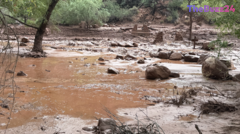
A sudden and violent flash flood tore through parts of the Grand Canyon over the weekend, triggering a massive search-and-rescue operation and leaving approximately 15 people unaccounted for. The deluge struck the popular Bright Angel Canyon and Phantom Ranch areas in the afternoon, catching outdoor enthusiasts and backcountry campers off guard as calm weather abruptly shifted into dangerous torrents of rushing water.
Emergency response crews moved quickly to stabilize the situation, successfully airlifting more than 60 stranded individuals out of the canyon’s lower elevations. Eyewitnesses described a harrowing scene as tranquil conditions transformed in minutes into surging waterways capable of destroying footbridges and washing out trails. Hikers were guided to high ground and narrow ledges by National Park Service rangers, where they waited for hours until helicopters could safely extract them from the canyon floor.
Park officials confirmed that infrastructure in the inner canyon sustained considerable damage, leading to the immediate closure of heavily trafficked routes along the Bright Angel Creek corridor. Search teams continue to canvass the affected zones, appealing to the public for any details regarding hikers or backpackers who were scheduled to traverse the remote trails during the storm.
With additional thunderstorms and heavy rainfall forecasted in the coming days, authorities have warned of continued hazards, including secondary flash flooding, shifting river levels, and dangerous rockfalls. The Grand Canyon, which draws millions of global visitors annually, faces ongoing operational challenges as maintenance teams assess the integrity of damaged paths and emergency crews remain on high alert.
Key Takeaways
- Approximately 15 hikers remain unaccounted for after severe flash floods hit Bright Angel Canyon and Phantom Ranch.
- Search and rescue teams successfully evacuated over 60 stranded individuals via helicopter with no initial injuries reported.
- Multiple trail sections and footbridges sustained structural damage, with further severe weather posing ongoing risks.
Editor’s Analysis & Impact
Flash floods in canyon ecosystems highlight the extreme vulnerability of remote recreational corridors to abrupt meteorological shifts. The incident at the Grand Canyon underscores the operational challenges emergency services face in rugged wilderness terrains, where rapid extraction requires specialized aviation assets and highly trained personnel. As intense, localized weather events become more frequent and unpredictable, park management authorities face rising pressure to enhance real-time alert systems and fortify vital infrastructure against destructive washouts. For the tourism sector, these disruptions emphasize the necessity of stringent safety protocols and visitor education regarding backcountry risk management.
Frequently Asked Questions
Q: Which areas of the Grand Canyon were affected by the flash flooding?
A: The flooding primarily impacted Bright Angel Canyon and the vicinity of Phantom Ranch, a remote lodge located at the bottom of the canyon.
Q: Were any injuries or casualties reported during the incident?
A: No immediate injuries have been confirmed, though emergency crews are working to locate around 15 individuals who were reported unaccounted for.
Q: Are the affected trails currently open to visitors?
A: No, trails in the damaged corridor have been temporarily closed due to washed-out bridges, debris flows, and the threat of additional rainfall.
AI Disclosure: This article is based on verified data and official reports. Our Team and AI have cross-referenced every financial detail with primary sources to ensure total accuracy.
More from this Category