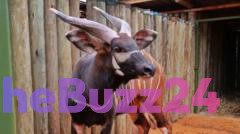
Historic Homecoming: Rare Mountain Bongos Return to Kenya to Bolster Endangered Population
In a landmark achievement for global wildlife conservation, four rare mountain bongos have been successfully repatriated to Kenya from the Czech Republic. The arrival of these male antelopes at Nairobi’s primary airport marks a pivotal moment in the ongoing struggle to save one of the world’s most critically endangered large mammals. Following their arrival, the animals were transported to a private wildlife reserve in central Kenya, where they will begin the next phase of their integration into the local ecosystem.
The mountain bongo, known for its distinctive spiral horns and vibrant chestnut-red coat, has faced a catastrophic decline in its native highland forests. With fewer than 100 individuals remaining in the wild, the species is currently on the brink of extinction. This stark reality stands in contrast to the hundreds of bongos currently thriving in captivity across Europe and North America. By bringing these males back to their ancestral home, conservationists aim to introduce essential genetic diversity to the existing population at the Mount Kenya Wildlife Conservancy.
This initiative is part of a long-term, multi-national strategy to stabilize and eventually grow the wild population. Before the bongos can be released into their natural habitat, they must undergo a comprehensive acclimatization process to ensure they develop the necessary immunity to local environmental conditions. The Kenya Wildlife Service has set an ambitious target to increase the wild population to 700 individuals by 2050, viewing this repatriation as a foundational step in securing the long-term survival of the species.
Key Takeaways
- Four rare mountain bongos were repatriated from the Czech Republic to Kenya to help save the species from extinction.
- The wild population of mountain bongos has dropped to fewer than 100 individuals, necessitating urgent genetic diversification.
- Conservationists aim to reach a target population of 700 wild mountain bongos by 2050 through careful breeding and acclimatization.
Editor’s Analysis & Impact
The repatriation of the mountain bongo represents a sophisticated model for modern conservation, shifting from passive protection to active genetic management. By leveraging international captive populations to supplement local breeding programs, conservationists are addressing the ‘bottleneck’ effect that often plagues species with extremely low wild numbers. The success of this initiative hinges on the ability to transition these animals from controlled environments to the rugged highland forests of Kenya. If successful, this program could serve as a blueprint for other endangered ungulates facing similar threats. However, the long-term viability of the species will ultimately depend on habitat preservation and the mitigation of human-wildlife conflict, which remain the primary drivers of the bongo’s historical decline. The 2050 target is ambitious, but it provides a necessary framework for sustained international cooperation.
Frequently Asked Questions
Q: Why is it necessary to bring mountain bongos back to Kenya from abroad?
A: The wild population of mountain bongos in Kenya has dwindled to fewer than 100 individuals. Bringing in animals from international captive populations helps diversify the gene pool, which is essential for the health and long-term survival of the species.
Q: Can the mountain bongos be released into the wild immediately?
A: No, the animals must undergo a rigorous acclimatization process. This ensures they build the necessary immunity to local diseases and environmental factors before they can safely roam in their natural habitat.
AI Disclosure: This article is based on verified data and official reports. Our Team and AI have cross-referenced every financial detail with primary sources to ensure total accuracy.
More from this Category