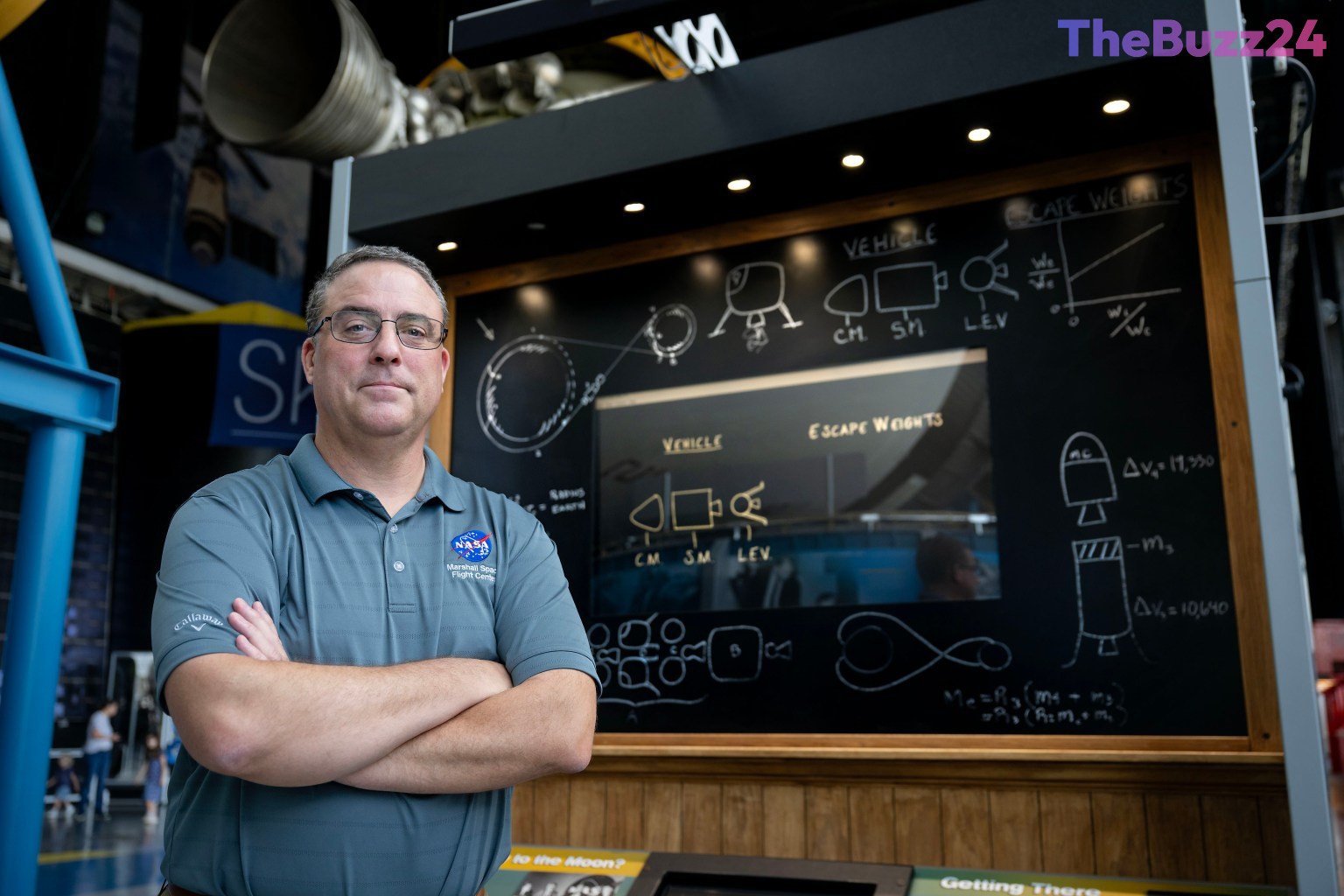
Engineering the Lunar Future: How Tom Percy Leads Integration for NASA’s Artemis Moon Landers
As NASA accelerates its efforts to establish a permanent presence on the Moon and prepare for eventual Mars exploration, key leadership within the Artemis program is ensuring seamless coordination among private partners and agency systems. Tom Percy, serving as the systems engineering and integration manager for the Human Landing System (HLS) Program, plays a critical role in unifying these complex spaceflight components. Operating out of the Marshall Space Flight Center, Percy and his team bridge technical gaps to turn ambitious spaceflight concepts into flight-ready architecture.
A primary focus of Percy’s work involves close collaboration with commercial aerospace contractors, including SpaceX and Blue Origin. His team oversees the rigorous design, manufacturing, testing, and safety certification of the crewed landing craft. By ensuring these commercially developed landers interface reliably with existing NASA assets and orbital hardware, Percy’s division provides the foundation required to land astronauts safely on the lunar surface during upcoming Artemis missions.
Percy’s journey to this pivotal post began during his undergraduate studies at the Rochester Institute of Technology, where competing in a NASA student rover contest sparked his ambition to join the agency. After pursuing advanced degrees at the Georgia Institute of Technology and the University of Alabama in Huntsville—specializing in propulsion systems and space systems design—he joined Marshall in 2003. Over two decades, his expertise in trajectory analysis, deep space transport architecture, and advanced propulsion has proven essential to advancing NASA’s long-term deep space exploration roadmaps.
Key Takeaways
- Tom Percy leads the systems engineering and integration efforts for NASA's Human Landing System (HLS) Program.
- The role involves direct technical coordination with commercial providers SpaceX and Blue Origin to certify crewed lunar landers.
- Percy's work supports the overarching Artemis objectives, paving the way for sustained lunar exploration and future crewed Mars missions.
Editor’s Analysis & Impact
The Artemis program marks a strategic shift toward public-private partnerships in deep space exploration. By leveraging commercial providers like SpaceX and Blue Origin for the Human Landing System, NASA aims to optimize development efficiency while expanding capabilities. However, integrating proprietary private technologies with complex public launch and operational infrastructure presents immense engineering hurdles. Systems integration leads like Tom Percy serve as critical bridges to mitigate operational risk and ensure total interoperability across mission assets. As the commercial space industry matures, this hybrid model will likely become the standard operational framework for future deep space initiatives, including human exploration of Mars.
Frequently Asked Questions
Q: What is the primary role of the Human Landing System (HLS) Program?
A: The HLS Program oversees the design, development, and integration of the lunar landers responsible for carrying astronauts safely from lunar orbit down to the Moon's surface.
Q: Which commercial companies are working with NASA on the landers?
A: NASA is collaborating with commercial aerospace companies, including SpaceX and Blue Origin, to develop and certify crewed landing systems.
Q: What are the ultimate objectives of the Artemis program?
A: The Artemis program aims to establish a sustainable human presence on the Moon for scientific research and economic opportunity while building the foundation for future human missions to Mars.
AI Disclosure: This article is based on verified data and official reports. Our Team and AI have cross-referenced every financial detail with primary sources to ensure total accuracy.
More from this Category