Beyond the Atmosphere: How NASA’s High-Altitude WB-57 Aircraft Prepares Astronauts for Deep Space
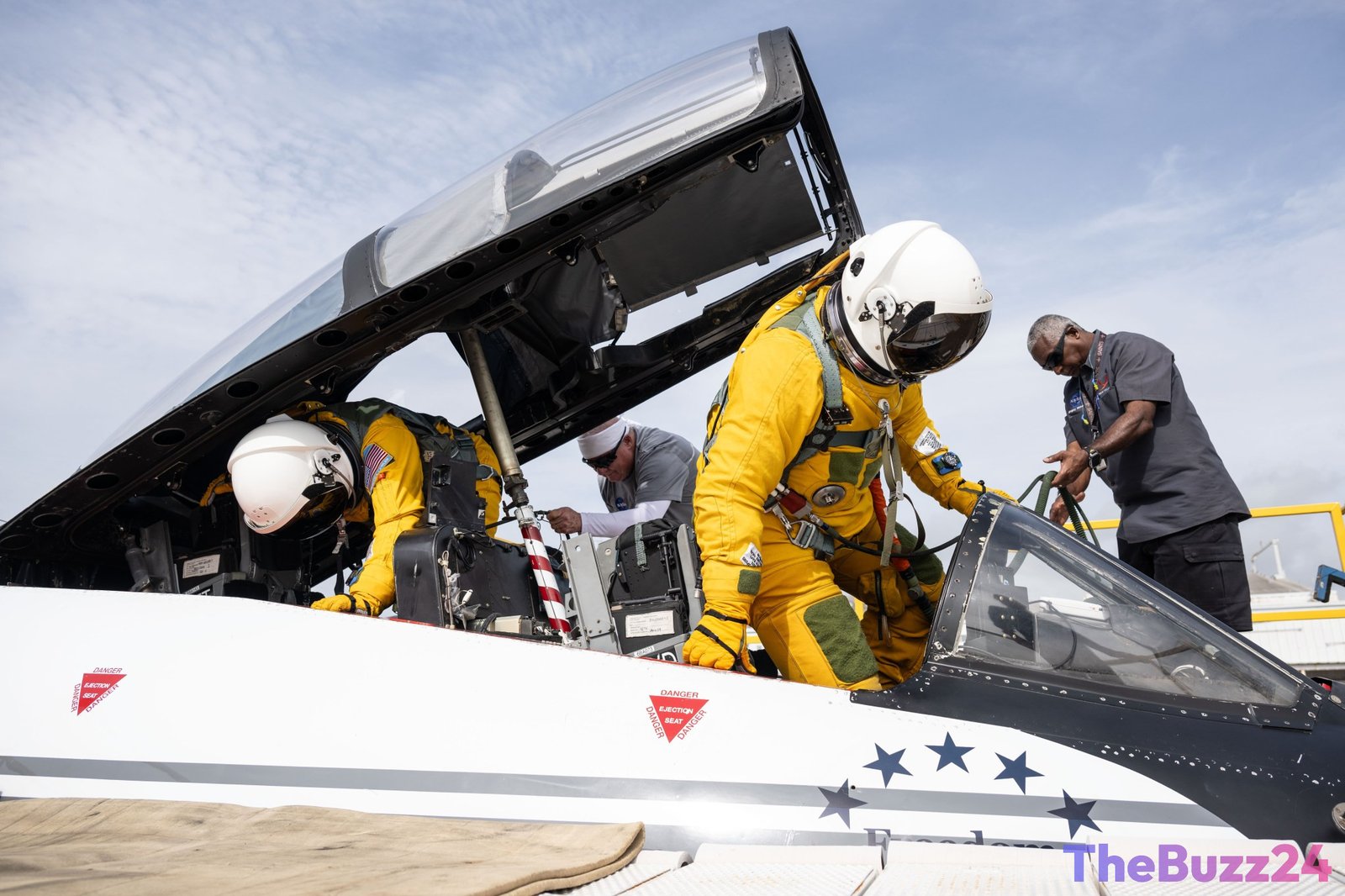
NASA is intensifying its astronaut training regimens, utilizing specialized high-altitude aircraft to simulate the challenging operational conditions of spaceflight. Among those undergoing advanced flight drills, astronaut Adam Fuhrmann recently completed training exercises aboard NASA’s high-performance WB-57 jet. These specialized missions serve as a critical stepping stone, equipping flight crews with the hands-on experience needed before embarking on long-duration journeys into low-Earth orbit and deep space.
Flying aboard the WB-57 requires crew members to ascend to extreme altitudes while operating complex aircraft systems inside pressurized flight suits. This unique setup creates a realistic operational analog, mimicking the physical constraints, reduced mobility, and psychological stress encountered during actual spaceflights. Navigating sophisticated cockpit instruments in a tightly confined, pressurized environment ensures astronauts develop seamless multi-tasking skills and rapid decision-making capabilities under pressure.
These rigorous airborne exercises form an integral component of preparation for upcoming space exploration initiatives. The operational discipline built during high-altitude maneuvers directly translates to missions aboard the International Space Station, as well as upcoming lunar journeys under the ambitious Artemis program. By mastering suit dynamics and system management in Earth’s upper atmosphere, astronauts refine the practical skills necessary to navigate unpredictable environments on the Moon and eventually Mars.
As human space exploration enters a new era defined by deep-space goals and prolonged lunar stays, high-altitude jet training remains an indispensable bridge between terrestrial preparation and extraterrestrial execution. NASA continues to rely on these specialized aircraft to ensure its astronauts maintain peak operational readiness across diverse spacecraft platforms.
Key Takeaways
- NASA astronaut Adam Fuhrmann completed high-altitude training aboard a WB-57 jet to prepare for future space missions.
- WB-57 flights allow crew members to practice managing complex flight systems while wearing full pressure suits in confined cockpits.
- The training establishes essential operational skills needed for upcoming missions to the International Space Station, the Moon, and deep space.
Editor’s Analysis & Impact
High-altitude aviation training remains one of the most effective terrestrial analogs for crewed spaceflight. As global space agencies pivot toward long-duration lunar exploration and eventual crewed missions to Mars, maintaining operational proficiency under high-stress conditions is paramount. Practicing real-time communication, mobility in pressurized suits, and system management at high altitudes significantly reduces operational risk during spaceflights. Looking ahead, high-altitude training programs will likely integrate even more complex simulation tech to ensure crew members are adept at managing autonomous systems and emergency manual overrides during deep-space operations.
Frequently Asked Questions
Q: What is the primary purpose of NASA's WB-57 high-altitude training?
A: The WB-57 training program prepares astronauts for spaceflight by training them to operate complex cockpit systems while wearing full pressure suits in a cramped, high-altitude environment.
Q: How does high-altitude flying prepare astronauts for lunar and Mars missions?
A: High-altitude jet flights simulate the physical constraints, high workload, and stress of space missions, helping astronauts refine rapid decision-making and suit operations ahead of Artemis and Mars expeditions.
Q: Which astronaut recently completed this high-altitude flight exercise?
A: NASA astronaut Adam Fuhrmann recently conducted operational training drills aboard the WB-57 aircraft.
AI Disclosure: This article is based on verified data and official reports. Our Team and AI have cross-referenced every financial detail with primary sources to ensure total accuracy.
More from this Category