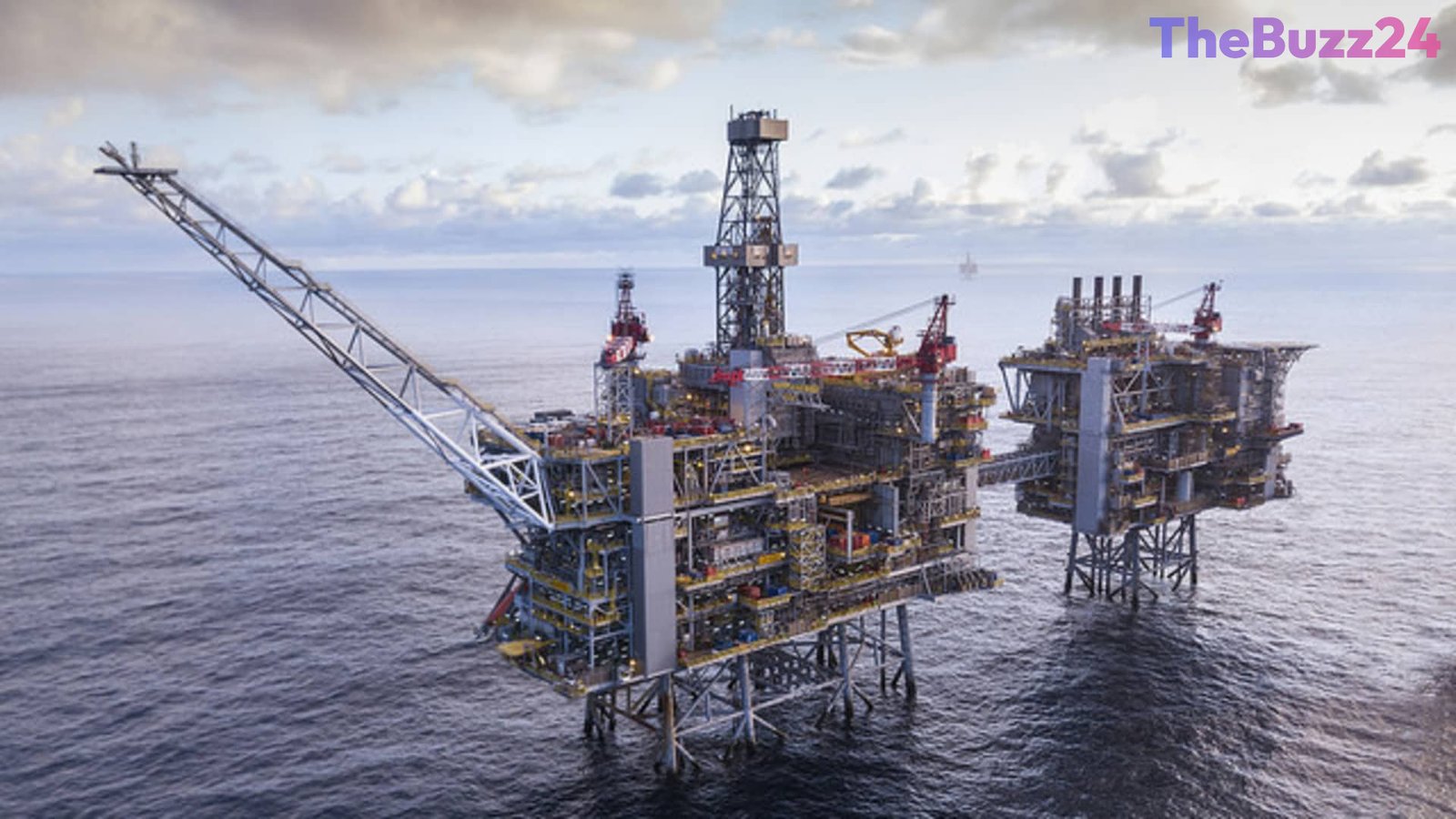
EnQuest Sets Sights on BP’s North Sea Portfolio Amid Sector Shift
Energy firm EnQuest has signaled its clear intention to pursue BP’s extensive oil and gas assets in the U.K. North Sea. The potential acquisition would build on a history of previous transactions between the two companies, most notably the 2017 deal that saw EnQuest acquire a significant stake in the Magnus oil field alongside related infrastructure.
The development follows BP’s strategic move initiated in late July to market its entire U.K. North Sea portfolio for a potential divestment. This portfolio currently encompasses five major production hubs split between the central North Sea and west of Shetland, supporting a workforce of approximately 1,100 employees. For BP, a successful sale would represent a substantial scaling back from a region where the energy major has maintained an operational presence for roughly six decades.
Addressing the broader energy landscape, industry leadership has pointed to the ongoing reliance on imported energy, which currently accounts for roughly half of the nation’s supplies. Advocates for domestic production argue that heightened import dependence continues to drive up consumer and industrial costs, urging policymakers to foster a more supportive environment for local resource development. Meanwhile, the expressed acquisition interest coincides with solid financial performance for EnQuest, which recently posted $529.9 million in revenues and an adjusted pre-tax profit of $54.6 million for the first half of the year.
Key Takeaways
- EnQuest CEO Amjad Bseisu confirmed the company's interest in acquiring BP's U.K. North Sea assets.
- BP initiated a sale process for its North Sea portfolio, which includes five production hubs and employs around 1,100 people.
- The potential deal follows a prior partnership between the two companies, including the 2017 Magnus oil field transaction.
Editor’s Analysis & Impact
The potential acquisition of BP’s North Sea assets by EnQuest highlights a broader structural shift in mature oil and gas basins like the U.K. Continental Shelf. As major international energy companies pivot their capital toward global renewables and lower-carbon initiatives, smaller, specialized operators are stepping in to maximize the remaining value of legacy fossil fuel assets. While this consolidation can lead to more efficient extraction in mature fields, it also raises critical questions about decommissioning liabilities, long-term environmental stewardship, and energy security. For the U.K., balancing domestic production capabilities with climate transition targets remains a complex regulatory challenge as traditional operators scale back their regional footprint.
Frequently Asked Questions
Q: Why is BP selling its North Sea assets?
A: BP initiated a process to sell its U.K. North Sea business as part of a potential strategic retreat from the basin after operating there for approximately 60 years.
Q: What assets are included in BP's North Sea portfolio?
A: The portfolio consists of five production hubs—two in the central North Sea (Andrew and ETAP) and three west of Shetland (Glen Lyon, Clair, and Clair Ridge).
Q: Does EnQuest have a prior business relationship with BP?
A: Yes, EnQuest previously purchased a 25% stake in BP's Magnus oil field in 2017, along with associated pipeline infrastructure and a stake in the Sullom Voe processing terminal.
AI Disclosure: This article is based on verified data and official reports. Our Team and AI have cross-referenced every financial detail with primary sources to ensure total accuracy.
More from this Category