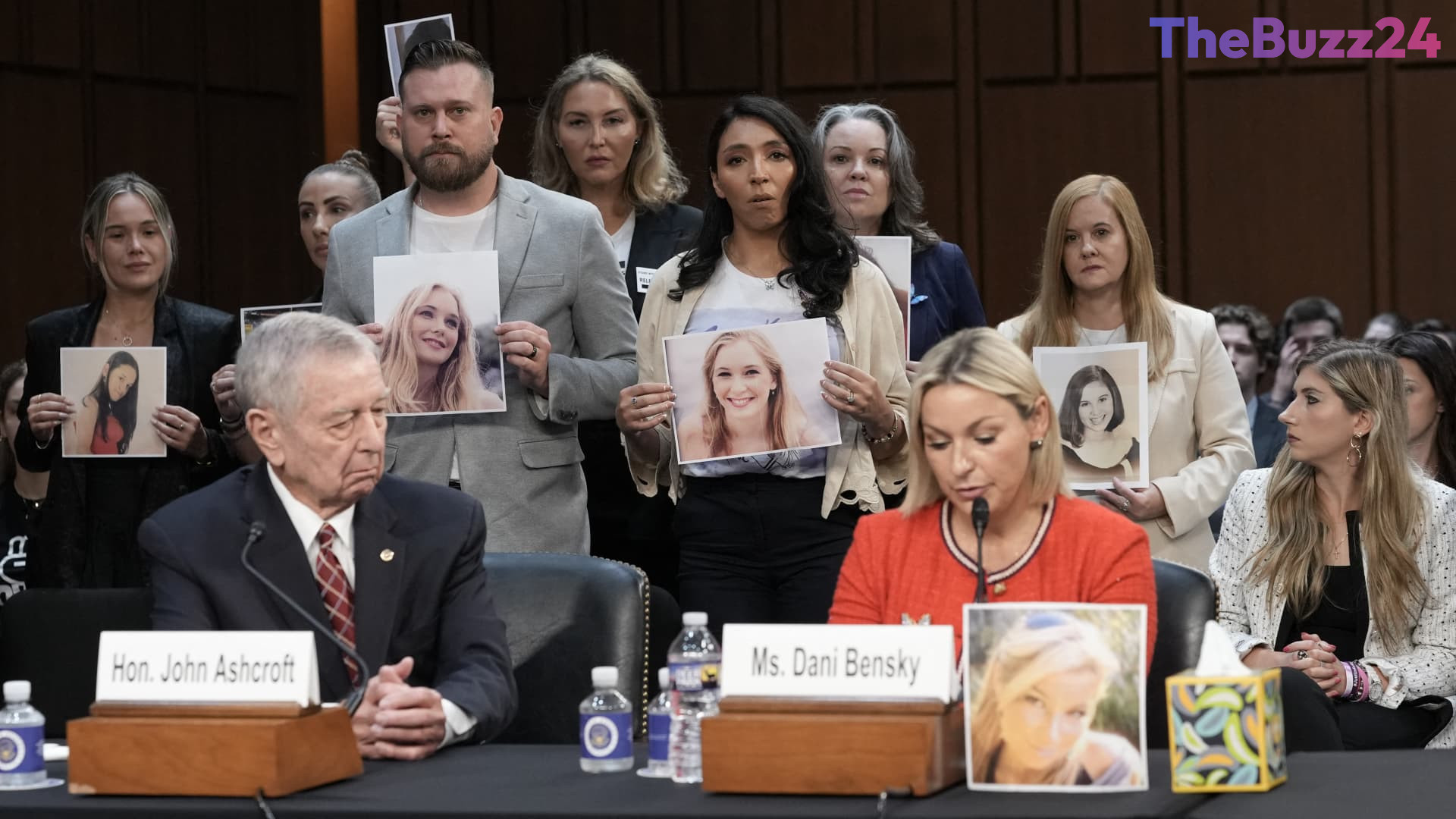
Epstein Survivors Criticize Attorney General Nominee Todd Blanche Following Tense Meeting
Survivors of the late sex offender Jeffrey Epstein have expressed deep dissatisfaction following a meeting with acting Attorney General Todd Blanche. The sit-down, which occurred as Blanche seeks Senate confirmation for the permanent role of U.S. Attorney General, was described by participants as a performative exercise rather than a genuine effort to address their grievances. Several survivors characterized Blanche as condescending and evasive, suggesting that his primary motivation for the meeting was to secure the support of Senator Thom Tillis, who had previously signaled he would not advance the nomination without such a discussion.
Annie Farmer, one of the survivors present, stated that the meeting only solidified her opposition to Blanche’s confirmation. She described the interaction as abrasive and noted that Blanche appeared unwilling to take accountability for failures occurring under his current leadership at the Department of Justice. Other attendees, including Liz Stein and Dani Bensky, echoed these sentiments, labeling the encounter as demoralizing and a mere ‘check-the-box’ maneuver designed to facilitate Blanche’s political advancement. The survivors specifically pointed to the mishandling of sensitive documents and a lack of a clear plan to pursue accountability beyond the primary figures in the Epstein case as major points of contention.
Despite the harsh criticism from the survivors, Senator Tillis offered a different perspective, commending Blanche for being the first official in two decades to engage directly with the victims. While the Department of Justice characterized the meeting as a ‘productive, initial discussion’ where Blanche encouraged further cooperation with FBI investigators, the political path forward remains uncertain. With the Senate Judiciary Committee finely balanced, the support of key Republicans like Tillis and John Cornyn remains critical. Beyond the Epstein matter, these senators have also expressed skepticism regarding the administration’s past proposals for an ‘Anti-Weaponization’ fund, further complicating the confirmation process for the nominee.
Key Takeaways
- Epstein survivors labeled the meeting with Todd Blanche as condescending and performative, aimed primarily at securing Senate confirmation.
- Senator Thom Tillis, whose vote is crucial for the nomination, praised the meeting as a positive step, though he has not yet committed to supporting Blanche.
- Survivors remain critical of the Department of Justice's handling of Epstein-related files and the lack of a comprehensive plan for further prosecutions.
Editor’s Analysis & Impact
The controversy surrounding Todd Blanche’s nomination highlights the delicate intersection of high-profile political appointments and the demands for institutional accountability. For the Department of Justice, the Epstein case remains a significant reputational burden; the inability to satisfy survivors’ demands for justice creates a persistent vulnerability for any leadership candidate. From a market and political perspective, the scrutiny from key Republican senators like Tillis and Cornyn suggests that the administration’s broader agenda—specifically regarding the restructuring of DOJ funds—faces significant legislative headwinds. If the confirmation fails, it could signal a broader shift in how the Senate Judiciary Committee exerts leverage over executive branch appointments, potentially forcing the administration to adopt more transparent and victim-centered policies to secure future confirmations.
Frequently Asked Questions
Q: Why did Senator Thom Tillis insist on a meeting between Todd Blanche and Epstein survivors?
A: Senator Tillis indicated he would not vote to advance Blanche's nomination out of the Senate Judiciary Committee until the nominee directly engaged with the victims of Jeffrey Epstein's crimes.
Q: What are the primary concerns survivors have regarding the Department of Justice under Blanche?
A: Survivors have criticized the DOJ for the botched release of documents that exposed their personal information, a perceived lack of accountability for past errors, and the absence of a clear strategy to investigate individuals beyond Epstein and Ghislaine Maxwell.
AI Disclosure: This article is based on verified data and official reports. Our Team and AI have cross-referenced every financial detail with primary sources to ensure total accuracy.
More from this Category