Escalating Conflict in the Strait of Hormuz Plunges Oil Shipping into a ‘Worst-Case Scenario’
The Strait of Hormuz has descended into a highly volatile security crisis, with maritime experts warning of a “worst-case scenario” for global oil transit. A recent surge in hostile actions has seen at least nine vessels targeted since early July. The escalation stems from efforts by Iranian forces to compel commercial ships to navigate through its highly contested territorial waters, rather than utilizing the safer, U.S.-protected routes running along the coast of Oman.
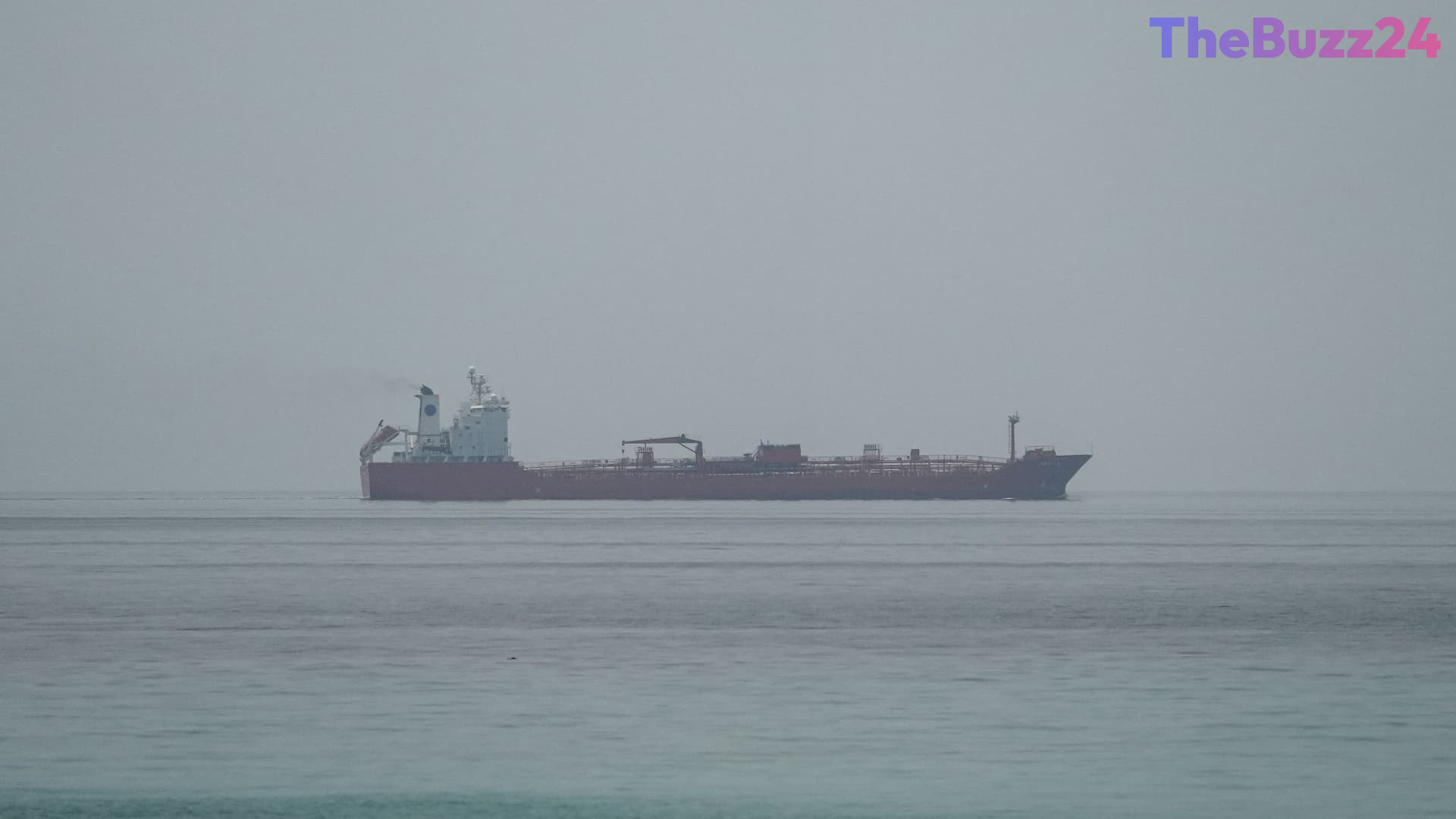
The human and material toll of this maritime standoff is mounting rapidly. Recent incidents include a deadly strike on the crude oil tanker Al Bahyah off the Omani coast, which left one seafarer dead and three injured. On the same day, another attack on the tanker Mombasa B resulted in injuries to eleven mariners. Security analysts report that these assaults have increasingly utilized advanced anti-ship missiles, leaving merchant crews gripped by fear and highly reluctant to transit the region, regardless of financial incentives.
In response to the rising threats, geopolitical tensions have flared. Following the reinstatement of a naval blockade, military forces recently disabled an unladen tanker, the Curacao-flagged M/T Belma, after it repeatedly ignored warnings while heading toward Iran’s Kharg Island. Meanwhile, the traditional central shipping lane through the strait remains virtually unusable due to the severe threat of underwater mines, which pose catastrophic risks to any passing vessel.
Consequently, maritime traffic through this vital global energy chokepoint has slowed to a mere trickle. Data indicates that daily transits have plummeted to single digits, a stark contrast to the over 100 ships that crossed daily prior to the escalation of hostilities earlier this year. With shipping companies divided over risk tolerance and crews demanding safety guarantees, the international community faces a prolonged and dangerous bottleneck that threatens to disrupt global energy markets and push alternative routes, like the Red Sea, into further instability.
Key Takeaways
- At least nine commercial vessels have been attacked in the Strait of Hormuz since July 6 as Iran attempts to force ships into its territorial waters.
- Maritime traffic through the critical energy corridor has plummeted to historic lows, with daily transits dropping to single digits due to crew safety fears and mine threats.
- The ongoing military standoff and retaliatory strikes between U.S. forces and Iran have heightened fears of a broader escalation threatening alternative trade routes like the Red Sea.
Editor’s Analysis & Impact
The escalating crisis in the Strait of Hormuz represents a severe threat to global energy security, as the chokepoint handles a significant portion of the world’s daily petroleum transit. The dramatic drop in vessel traffic and the refusal of maritime crews to risk transit highlight a growing disconnect between geopolitical posturing and practical supply chain operations. If the blockade and missile exchanges persist, global oil prices are highly likely to experience upward volatility, compounding inflationary pressures worldwide. Furthermore, as shipping companies seek alternative routes, the pressure on secondary corridors like the Red Sea will intensify, potentially exposing them to spillover conflicts. A long-term resolution will require not just military deterrence, but a clear, internationally binding agreement on safe transit lanes that reassures both shipowners and their crews.
Frequently Asked Questions
Q: Why are ships being targeted in the Strait of Hormuz?
A: Iran is conducting attacks to force commercial vessels to navigate through its territorial waters rather than the safer, U.S.-protected shipping lanes near Oman.
Q: How has this conflict impacted global shipping traffic?
A: Traffic through the strait has plummeted from over 100 ships per day to single digits, as crews refuse to transit the high-risk area and shipping companies seek alternative routes.
Q: What are the main physical threats to vessels in the region?
A: Ships face significant dangers from anti-ship missiles, drone strikes, and underwater mines, the latter of which make traditional central shipping lanes highly perilous.
AI Disclosure: This article is based on verified data and official reports. Our Team and AI have cross-referenced every financial detail with primary sources to ensure total accuracy.
More from this Category