Escalating Cross-Border Strikes Intensify Energy and Logistics Conflict in Ukraine-Russia War
A significant Russian offensive targeting energy infrastructure in Ukraine’s northern Chernihiv region has left approximately 150,000 residents without power. Regional electricity providers are currently engaged in emergency repair efforts to restore service, while air defense systems were simultaneously deployed to intercept incoming threats over the capital city of Kyiv.
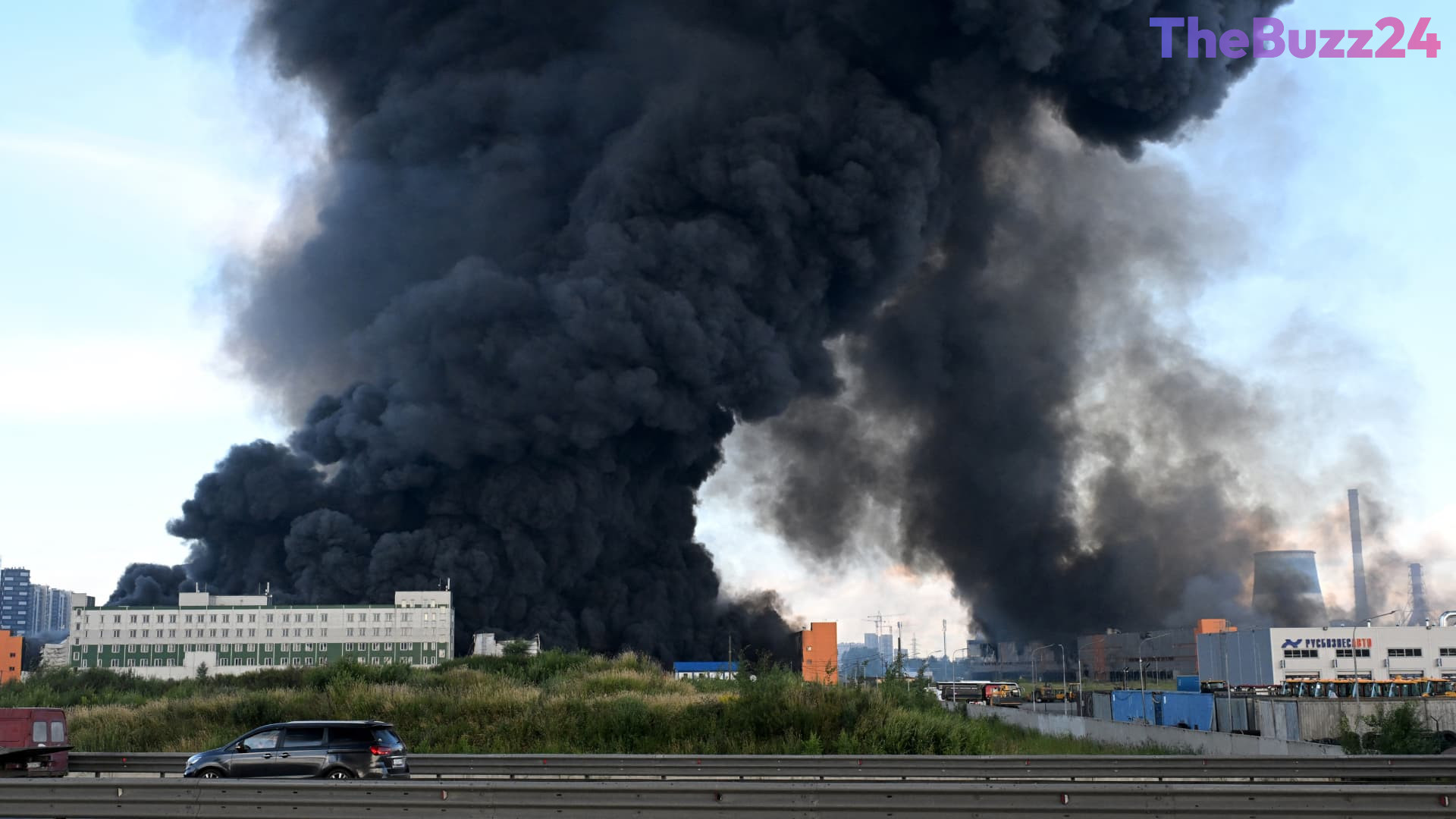
In a strategic shift, Ukrainian forces have intensified their own operations deep within Russian territory. President Volodymyr Zelenskyy confirmed successful strikes on a critical missile component manufacturing facility in Kirov, as well as an oil facility located over 1,300 kilometers from the border. These operations are part of a broader campaign aimed at degrading Russia’s military supply chain, including the targeting of logistics hubs and facilities linked to the retail giant Wildberries.
These developments coincide with a major escalation in international economic pressure. The European Union has finalized its most comprehensive sanctions package in four years, imposing restrictions on more than 220 entities and individuals. The new measures specifically target Russia’s banking sector, cryptocurrency operators, and a ‘shadow fleet’ of vessels, signaling a concerted effort to cripple the financial mechanisms supporting the ongoing military campaign.
Key Takeaways
- Russian strikes on Chernihiv energy infrastructure have caused widespread power outages for 150,000 residents.
- Ukraine has expanded its counter-offensive by targeting deep-territory logistics, missile component factories, and oil facilities within Russia.
- The European Union has implemented its largest sanctions package in four years, focusing on Russian banks, crypto operators, and maritime logistics.
Editor’s Analysis & Impact
The conflict has entered a new phase characterized by a ‘war of attrition’ that extends far beyond the front lines. By targeting deep-territory logistics and industrial hubs, Ukraine is attempting to disrupt the Russian military-industrial complex’s ability to manufacture and transport weaponry. Simultaneously, the EU’s latest sanctions package represents a significant tightening of the economic noose, specifically targeting the ‘shadow fleet’ and crypto-assets that have previously allowed Russia to circumvent traditional financial restrictions. The future outlook suggests a continued focus on economic warfare and infrastructure degradation. As both sides prioritize the destruction of supply chains, the financial burden on the Russian state is expected to mount, potentially forcing a shift in military strategy as the cost of sustaining the invasion increases significantly.
Frequently Asked Questions
Q: Why is Ukraine targeting logistics facilities like those of Wildberries?
A: Ukraine is targeting these facilities to disrupt the supply chains that provide the Russian military with drone components, navigation equipment, and essential military gear.
Q: What is the significance of the new EU sanctions?
A: The new sanctions are the largest in four years and are designed to squeeze the Russian economy by targeting over 100 banks, cryptocurrency operators, and a 'shadow fleet' of vessels used to bypass international trade restrictions.
AI Disclosure: This article is based on verified data and official reports. Our Team and AI have cross-referenced every financial detail with primary sources to ensure total accuracy.
More from this Category