Meta Unveils Muse: A New AI Agent Demanding Unprecedented User Trust
Meta has launched Muse, its most ambitious consumer-facing artificial intelligence agent to date, a move that comes shortly after the tech giant agreed to a substantial $18 billion settlement concerning the harms associated with social media. This new AI agent is designed to assist users with a wide array of daily tasks and projects, but its functionality hinges on users granting Meta access to a significant amount of personal information, raising immediate questions about consumer trust.
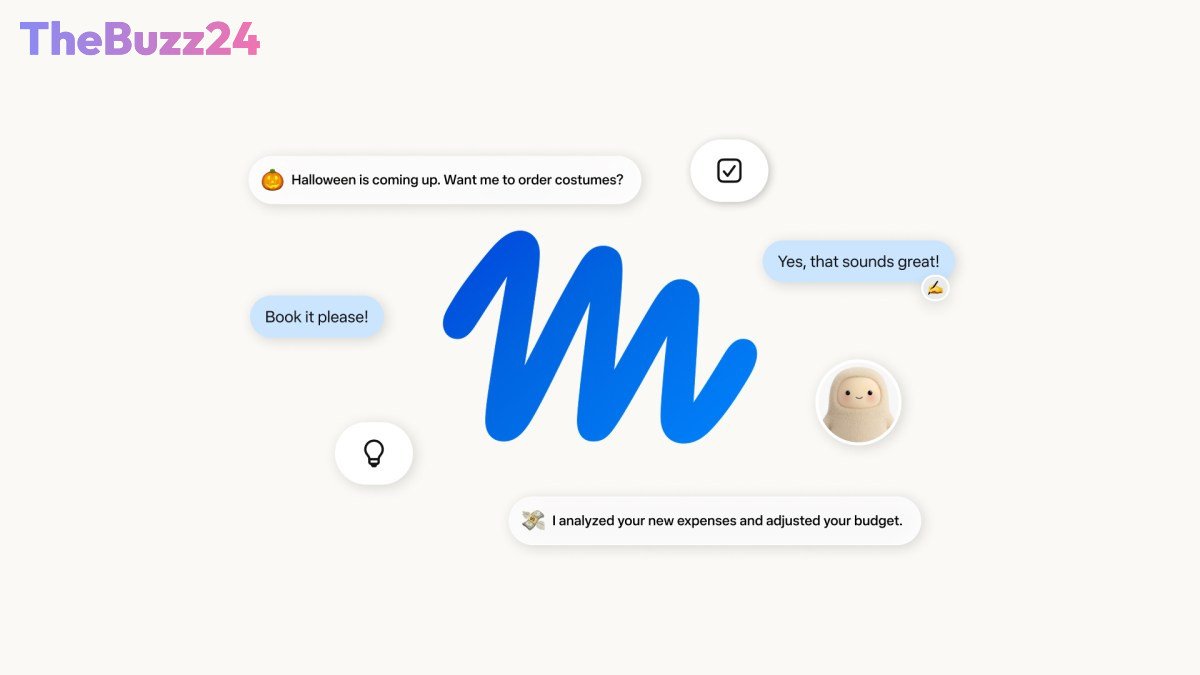
Muse operates by integrating with a user’s existing digital ecosystem, connecting to applications and services commonly used in daily life. This includes email, calendars, payment platforms, and potentially even health and fitness trackers, smart home devices, and shopping applications. The underlying technology, powered by Meta’s Muse Spark AI model, aims to go beyond simple question-answering chatbots, focusing instead on an AI that can actively perform actions on behalf of the user. Potential capabilities range from sending emails and booking travel to managing bills, completing forms, creating shopping lists from recipes, and facilitating purchases through integrations like Stripe’s Link.
Meta emphasizes a transparent, opt-in approach, allowing users to selectively connect apps and services one by one. The company has also implemented security measures, including a dedicated, secure virtual machine environment called Muse Secure VM, designed to isolate user data and prevent Muse from accessing sensitive information like passwords or payment details. Meta asserts that user conversations and data will not be shared with its advertising systems. Despite these assurances and the introduction of customizable features like agent naming and avatar selection to foster a sense of connection, Meta’s history of privacy concerns and data mishandling may present a significant hurdle to widespread consumer adoption.
Key Takeaways
- Meta has launched Muse, a new personal AI agent designed to perform daily tasks by integrating with user applications and services.
- The success of Muse relies heavily on user trust, as it requires access to personal data, despite Meta's implemented security and privacy assurances.
- Muse offers a free tier with paid subscription options for increased usage, and will be accessible via web, mobile apps, WhatsApp, and Meta's AI glasses.
Editor’s Analysis & Impact
Meta’s entry into the personal AI agent market with Muse represents a significant strategic pivot, aiming to capture the next wave of AI interaction beyond basic chatbots. The company’s bet is on utility – an AI that actively *does* things for users. However, this ambitious move is shadowed by Meta’s well-documented history of privacy controversies and data breaches. The success of Muse will likely depend less on its technical capabilities, which appear robust on paper, and more on Meta’s ability to rebuild consumer confidence. The agentic AI space is heating up, and Muse’s ability to navigate user privacy concerns while delivering tangible value will be critical in determining its market impact and Meta’s future in AI.
Frequently Asked Questions
Q: What can Meta's Muse AI agent do?
A: Muse can perform various tasks such as sending emails, booking travel, managing bills, filling out forms, creating shopping lists from recipes, sending invitations, and making purchases. It integrates with user-selected apps and services to assist with everyday activities.
Q: How does Meta ensure the privacy and security of user data with Muse?
A: Meta states that Muse operates within a dedicated, secure virtual machine (Muse Secure VM) that isolates user data. The company claims Muse cannot access passwords or payment methods and that user data will not be shared with Meta's advertising systems. Users also have control over which apps and services Muse can connect to.
Q: Is Meta's Muse AI agent free to use?
A: Muse is free to use initially, with usage limits. As usage increases, users will have the option to subscribe to paid plans, starting at $20/month for the 'Power' tier and $100/month for the 'Maximum' tier, to access more extensive functionality.
AI Disclosure: This article is based on verified data and official reports. Our Team and AI have cross-referenced every financial detail with primary sources to ensure total accuracy.
More from this Category