Military Operations Intensify in Gaza as Leadership Targets Remain Focus
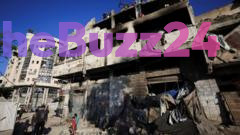
Military operations in Gaza City have escalated, with a series of targeted airstrikes aimed at dismantling the leadership structure of Hamas. The most recent offensive resulted in the death of Imad Asleem, a local Hamas battalion commander, during a strike on a residential building. The incident also caused significant civilian casualties, including the death of Asleem’s teenage daughter and injuries to approximately 20 others. While the military confirmed it is actively pursuing high-ranking officials in the northern Gaza Strip, the collateral damage has drawn renewed attention to the humanitarian crisis unfolding in the region.
The strikes occurred during the Eid al-Adha holiday, causing widespread destruction in areas housing displaced civilians. Witnesses reported that the blast damaged nearby tents and residential structures, further complicating the living conditions for those already forced from their homes. Funeral processions have since been held in Gaza City, highlighting the mounting toll on the local population as the conflict shows no signs of abating.
This campaign is part of a broader strategic effort by Israel to neutralize Hamas following the events of October 7, 2023. Recent operations have successfully targeted several key figures, including Mohammed Odeh, the head of the Hamas military wing, as well as individuals linked to the group’s financial and weapons production networks. Officials have maintained that these actions are necessary to ensure the total removal of Hamas from power and to hold those responsible for the 2023 attacks accountable.
Despite these military maneuvers, diplomatic efforts to secure a peace agreement remain at a standstill. Negotiations regarding the potential disarmament of Hamas and the withdrawal of Israeli forces have failed to produce a breakthrough. With the majority of Gaza’s 2.1 million residents displaced and critical infrastructure largely destroyed, the humanitarian situation remains dire as the conflict continues to evolve without a clear path to resolution.
Key Takeaways
- Targeted airstrikes in Gaza City have resulted in the deaths of high-ranking Hamas commanders, including Imad Asleem and Mohammed Odeh.
- Military operations have caused significant civilian casualties and destruction, particularly among displaced populations living in makeshift camps.
- International peace negotiations remain deadlocked, with no immediate resolution in sight for the ongoing conflict.
Editor’s Analysis & Impact
The current escalation in Gaza underscores a shift toward a high-intensity, leadership-focused attrition strategy. By systematically targeting the command-and-control structure of Hamas, the military aims to degrade the group’s operational capacity permanently. However, the persistent failure of diplomatic channels suggests that the conflict is entering a protracted phase. The humanitarian implications are profound; as infrastructure continues to crumble and displacement reaches near-total levels, the long-term stability of the region becomes increasingly fragile. The inability to reach a ceasefire agreement indicates that both sides remain entrenched in their respective objectives, making a political solution unlikely in the near term. The international community faces the challenge of balancing the pursuit of security objectives against the mounting pressure to address the catastrophic humanitarian conditions on the ground.
Frequently Asked Questions
Q: What is the primary objective of the current military operations in Gaza?
A: The primary objective is to dismantle the military and civil leadership of Hamas and ensure the group no longer maintains control over the territory following the October 7, 2023, attacks.
Q: Why have peace negotiations failed to reach a resolution?
A: Negotiations remain deadlocked due to fundamental disagreements regarding the disarmament of Hamas and the terms for the withdrawal of Israeli troops from the region.
AI Disclosure: This article is based on verified data and official reports. Our Team and AI have cross-referenced every financial detail with primary sources to ensure total accuracy.
More from this Category