Escalation Fears Mount as U.S. Weighs Massive Strike on Iran Amid Diplomatic Efforts
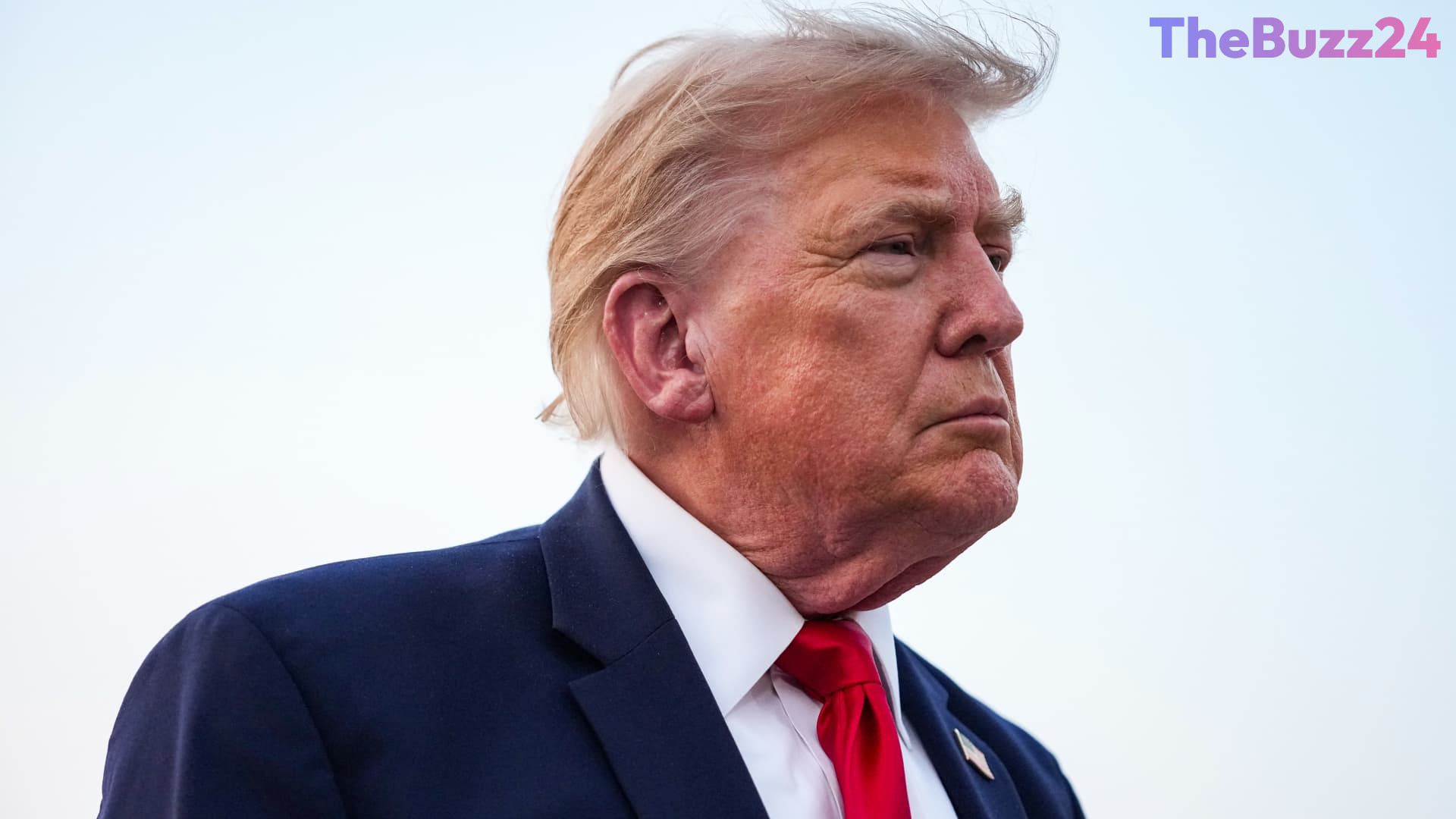
President Donald Trump has signaled that he is nearing a decision on launching a ‘massive attack’ against Iran, describing the potential military action as larger in scale than any previous operations in the ongoing conflict. While the President has not provided a specific timeline for this decision, he emphasized that the U.S. is fully prepared for such an engagement, asserting that Iran has yet to face sufficient consequences for its recent actions. This rhetoric comes as the conflict expands into new theaters, including the Red Sea, where Houthi militants have targeted Saudi oil tankers.
Simultaneously, diplomatic channels are being tested as Pakistan attempts to facilitate a path toward peace talks between the United States and Iran. Recent high-level visits by Iranian officials to Islamabad suggest an exploratory interest in de-escalation, a move reportedly encouraged by China. Despite these efforts, the situation remains volatile, with Iran issuing stern warnings to European nations, particularly the United Kingdom, labeling them as ‘accomplices’ for allowing the U.S. to utilize military bases for defensive operations.
Market reactions to these developments have been mixed, with investors closely monitoring the potential for a broader regional war. While stock markets saw a brief uptick and oil prices dipped on news of potential diplomatic progress, the threat of a major military escalation continues to loom over global energy security. Secretary of State Marco Rubio has characterized the administration’s current stance as a firm commitment to ensuring that Iran pays a ‘heavy price’ for its regional activities, further complicating the prospects for a near-term ceasefire.
Key Takeaways
- President Trump is considering a 'massive' military strike against Iran, citing the need for greater consequences for the nation's recent actions.
- Pakistan is actively working to mediate peace talks between the U.S. and Iran, with support from China.
- Iran has threatened European nations, specifically the U.K., with repercussions for hosting U.S. military assets used in the conflict.
Editor’s Analysis & Impact
The current geopolitical standoff between the U.S. and Iran represents a critical inflection point for global markets. The threat of a ‘massive’ military strike introduces significant volatility, particularly regarding energy prices, as the Red Sea remains a vital artery for global oil transit. While diplomatic overtures from Pakistan and China offer a glimmer of hope for de-escalation, the hardening rhetoric from both Washington and Tehran suggests that a resolution is not imminent. Investors should anticipate continued instability in the energy sector and defense-related stocks. The broader implication is a potential shift in regional alliances, as Iran attempts to isolate the U.S. by pressuring European allies, while the U.S. maintains a ‘head for an eye’ policy that prioritizes deterrence over immediate diplomatic compromise.
Frequently Asked Questions
Q: Why is Pakistan involved in the U.S.-Iran conflict?
A: Pakistan is acting as a mediator to help find a diplomatic off-ramp for the warring parties, a move that has been encouraged by China.
Q: What is the primary concern regarding the Red Sea?
A: The Red Sea is a critical maritime route for oil exports; Houthi militants, backed by Iran, have threatened to disrupt this trade, which could lead to significant spikes in global oil prices.
AI Disclosure: This article is based on verified data and official reports. Our Team and AI have cross-referenced every financial detail with primary sources to ensure total accuracy.
More from this Category