Europe Reels Under Unprecedented Heatwave, Shattering Records and Triggering Widespread Disruption
France has registered its highest temperatures since national records began in 1947, as an intense early summer heatwave sweeps across Western Europe. The country’s national temperature indicator, an average of day and night readings across numerous locations, climbed to 30 degrees Celsius, surpassing the previous day’s mark. Over half of France remains under a critical red heat alert, leading to tens of thousands of homes in western regions experiencing power outages.
This searing heatwave is causing significant disruption and tragic incidents across the continent, particularly impacting France, Spain, and Italy. The United Kingdom has also issued a rare red heat alert for parts of the country, with June records being shattered as temperatures reached 36.1C in Hampshire, and forecasts suggesting highs could hit 38C. Meanwhile, provisional maximum temperatures in western France ranged from 39C to 43C, with 43C recorded in the Poitou-Charentes-Val de Loire region. The heat is projected to peak in the Netherlands, Belgium, and Germany towards the weekend, and severe heat warnings have been extended to Eastern European nations like Poland, Croatia, and Hungary.
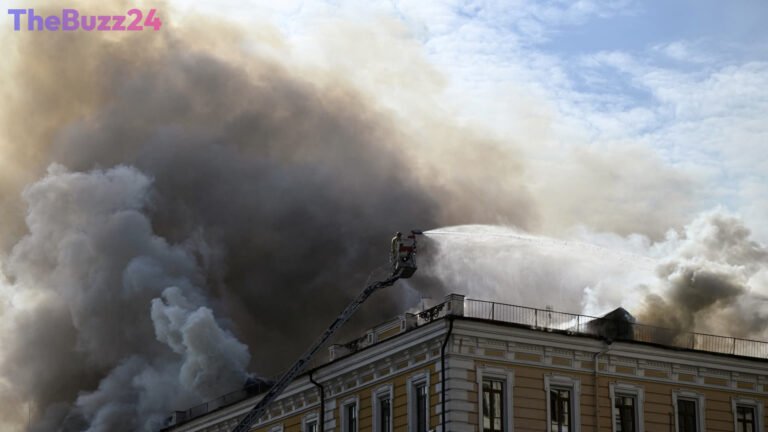
The consequences are dire: at least 40 heatwave-related drownings have occurred in France since last Thursday, alongside several in Germany. Authorities are battling increased risks of forest fires, with over 150 firefighters deployed to control a major blaze in France’s Breignon forest. Iconic landmarks such as the Louvre and the Eiffel Tower in Paris have closed early, with a Louvre spokesperson noting the building’s insufficient adaptation to climate change. Fears of drought are prompting water conservation pleas in German regions, and barbecue bans have been implemented in cities like Stuttgart and Freiburg.
Experts highlight that climate change is intensifying these global temperature rises, with Europe warming at twice the global average rate, making it the fastest-warming continent. This trend is leading to more frequent and intense summer heatwaves, increased pressure on water supplies, and a higher incidence of wildfires. While some relief is anticipated for France from Friday as temperatures are expected to gradually decline, officials like Labour Minister Jean-Pierre Farandou warn that France is “in the process of finding out we’ve become a hot country,” underscoring the urgent need for societal adaptation to these new climatic realities.
Key Takeaways
- France recorded its hottest day since 1947, with widespread red heat alerts and power outages across Western Europe.
- The heatwave has led to significant disruption, including early closures of major landmarks, increased forest fires, numerous drownings, and calls for water conservation.
- Europe is warming at twice the global average, intensifying heatwaves and highlighting the urgent need for societal adaptation to climate change.
Editor’s Analysis & Impact
This unprecedented heatwave across Europe underscores the escalating economic and social costs of climate change. Industries such as tourism face immediate impacts from closures and reduced visitor comfort, while energy grids are strained by increased cooling demands, leading to outages. Agriculture is vulnerable to drought and water scarcity, threatening food security and commodity prices. Looking ahead, these events signal a future of more frequent and severe weather extremes, necessitating significant investment in climate-resilient infrastructure, urban planning, and public health systems. The broader implication is a stark reminder for governments and businesses to accelerate decarbonization efforts and implement robust adaptation strategies, as the financial and human toll of inaction continues to mount, reshaping societal norms and economic priorities across the continent.
Frequently Asked Questions
Q: What is the significance of France's record-breaking temperature?
A: France recorded its hottest day since 1947, with the national temperature indicator hitting 30C, signifying the intensity and historical nature of the current heatwave.
Q: How is the heatwave impacting daily life and infrastructure in Europe?
A: The heatwave is causing widespread disruption, including power outages, early closures of major tourist attractions like the Louvre, increased risk of forest fires, and tragic heat-related drownings. Authorities are also implementing water conservation measures and barbecue bans.
Q: What is the long-term outlook for Europe regarding such heatwaves?
A: Experts indicate that Europe is warming at twice the global average, suggesting that such intense heatwaves will become more frequent and severe. This necessitates significant societal adaptation, including changes in infrastructure, public health strategies, and resource management to cope with new climatic realities.
AI Disclosure: This article is based on verified data and official reports. Our Team and AI have cross-referenced every financial detail with primary sources to ensure total accuracy.
More from this Category