European Central Bank Holds Rates Steady Amid Inflationary Pressures
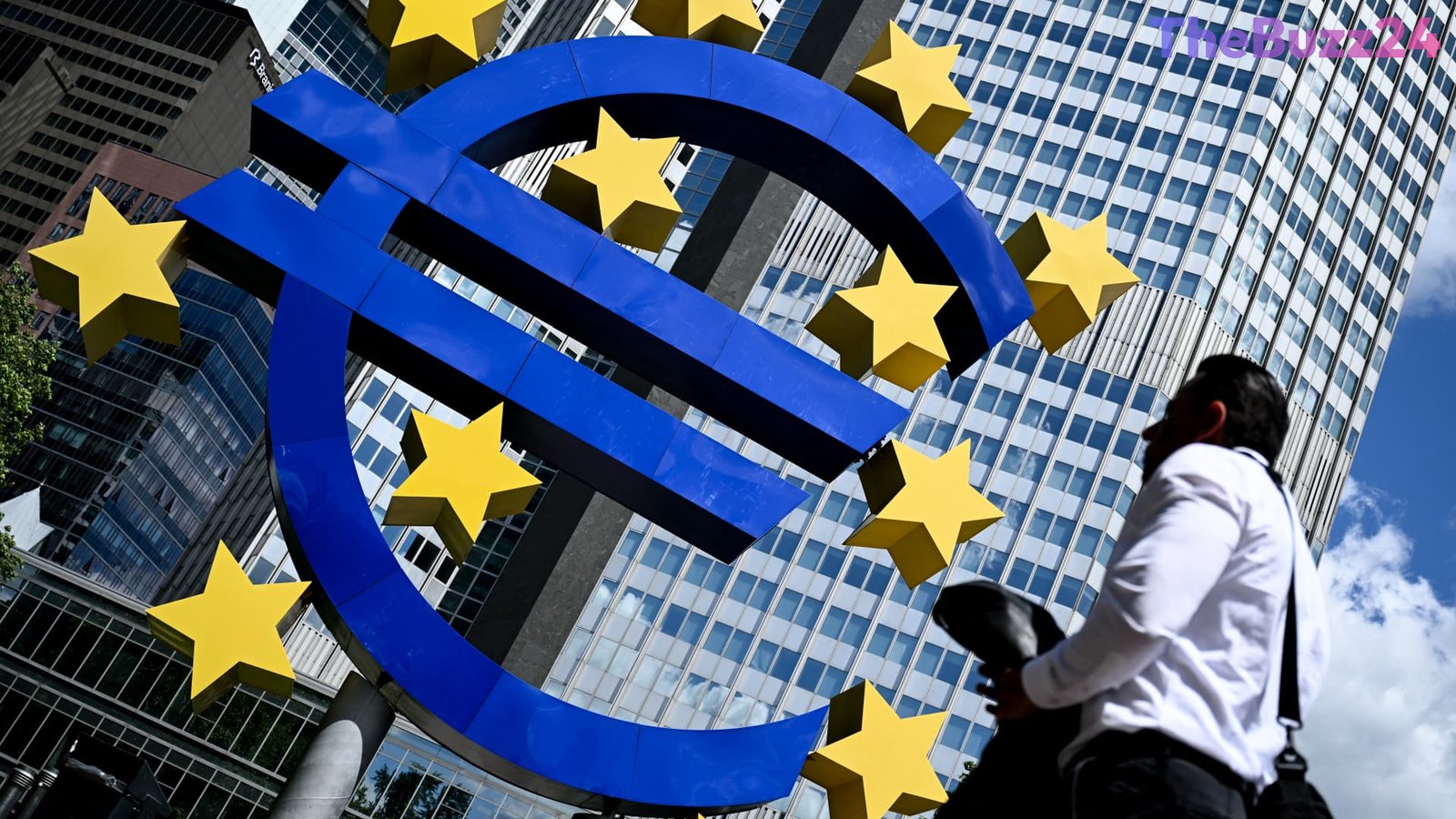
The European Central Bank (ECB) has opted to maintain its key deposit interest rate at 2.5%, aligning with market expectations following a 25 basis point increase in September. The decision comes as the eurozone grapples with headline inflation reaching 3.8%, the highest level recorded since September 2023. This upward trend is primarily attributed to volatile energy prices, which have surged by 18.8% due to ongoing geopolitical instability in the Middle East.
During the announcement, ECB President Christine Lagarde emphasized that while energy costs and rising long-term financing expenses present significant risks, the Governing Council remains confident in its current stance. Lagarde noted that underlying inflation and wage growth have remained relatively stable, suggesting that the economy has not yet experienced the feared ‘second-round effects’ where temporary price spikes become embedded in long-term economic expectations. The decision to pause was described as a measured approach to navigate the current climate of uncertainty.
Despite the pause, financial markets are signaling that further tightening may be on the horizon. Data indicates a high probability of a rate hike in December as the central bank seeks to prevent energy-driven inflation from becoming a permanent fixture of the economy. While sectors such as manufacturing and digital services are benefiting from AI-related investments and government infrastructure spending, the ECB continues to monitor rising borrowing costs and potential fiscal fragmentation across member states.
Looking ahead, the central bank faces a complex landscape as it balances the need to curb inflation against the risk of stifling economic growth. With the impending leadership transition at the ECB, analysts are closely watching for any shifts in policy direction. For now, the institution remains focused on ensuring that current price pressures do not evolve into a more persistent, systemic economic challenge.
Key Takeaways
- The ECB held its key deposit rate at 2.5%, opting for a 'hawkish pause' despite inflation climbing to 3.8%.
- Rising energy costs and increased long-term borrowing yields are the primary drivers of current economic uncertainty.
- Market analysts anticipate a potential final rate hike in December to ensure energy-related inflation does not become persistent.
Editor’s Analysis & Impact
The ECB’s decision to hold rates reflects a delicate balancing act between managing supply-side inflation and supporting a fragile economic recovery. By labeling the pause as ‘hawkish,’ the central bank is attempting to anchor inflation expectations without triggering a recessionary shock. The reliance on AI-driven investment and defense spending to offset the drag from high energy costs suggests a structural shift in the European economy. However, the combination of rising sovereign yields and the upcoming leadership transition introduces significant volatility. The future outlook remains contingent on whether the ECB can successfully navigate the ‘last mile’ of inflation control before the current hiking cycle concludes. If energy prices remain elevated, the bank may be forced to prioritize price stability over growth, potentially leading to a more restrictive monetary environment well into the next year.
Frequently Asked Questions
Q: Why did the ECB decide to keep interest rates at 2.5%?
A: The ECB chose to hold rates because underlying inflation and wage growth have remained stable, and the Governing Council believes the current policy is sufficient to manage existing economic uncertainties.
Q: What is the primary factor driving inflation in the eurozone right now?
A: The primary driver is the sharp increase in energy prices, which have risen by 18.8% due to ongoing geopolitical conflicts in the Middle East affecting oil, gas, and fuel costs.
AI Disclosure: This article is based on verified data and official reports. Our Team and AI have cross-referenced every financial detail with primary sources to ensure total accuracy.
More from this Category