EU’s New Border System Sparks Summer Travel Chaos Fears
European airports are bracing for significant delays and potential chaos this summer as the European Union’s new digital border control system, the Entry/Exit System (EES), faces its first major test during the peak holiday season. The system, designed to enhance security and streamline border management, requires non-EU citizens, including UK travelers, to provide biometric data such as fingerprints and photographs at passport control.
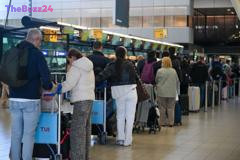
The EES replaces the manual stamping of passports and meticulously tracks entries and exits within the Schengen free movement zone, which encompasses 29 European nations. While intended to modernize border procedures, the implementation has already led to considerable queues and disruptions at various airports since its rollout began last October. Reports have surfaced of waits stretching for several hours, with some passengers even missing flights due to the extended processing times.
Industry experts and airline representatives have voiced concerns, citing issues with the technology, insufficient border staffing, and instances where travelers have had to re-register their biometric information. Some airlines have advised passengers to arrive at airports up to three hours earlier than usual for their return flights, while others, like Ryanair, have stated they will not hold flights for passengers delayed by border checks. The upcoming summer holidays are expected to be a critical period for evaluating the system’s effectiveness and identifying areas for improvement.
In an effort to mitigate the impact, the European Commission has indicated flexibility, allowing for the suspension of biometric checks in ‘exceptional circumstances’ leading to excessive wait times, particularly until September. Some countries, such as Portugal, are bolstering border staff numbers, and improvements are planned for airports that have experienced the most significant delays. Additionally, a mobile app has been developed to allow passengers to complete parts of the registration process before reaching the border, though its adoption is currently limited.
Key Takeaways
- The EU's new Entry/Exit System (EES) is expected to cause significant delays at European airports this summer due to biometric data collection requirements.
- Travelers, particularly from the UK, may face longer queues and should plan for extended waiting times at border controls.
- The European Commission is monitoring the situation and may allow for temporary suspensions of checks during peak periods to alleviate excessive delays.
Editor’s Analysis & Impact
The introduction of the EES presents a significant operational challenge for the European travel industry, potentially impacting passenger experience and airline schedules during the crucial summer months. While the system aims to bolster security, its current implementation highlights a need for better technological integration and adequate staffing at border points. The success of the EES will depend on the EU’s ability to manage these initial hurdles and adapt its processes. The long-term implications could include shifts in travel patterns if delays become a persistent issue, potentially favoring destinations or transport methods less affected by the new system. The upcoming holiday season will serve as a crucial stress test.
Frequently Asked Questions
Q: What is the EU's Entry/Exit System (EES)?
A: The EES is a new digital border control system implemented by the EU to track entries and exits of non-EU citizens into the Schengen area. It requires travelers to provide biometric data, such as fingerprints and a photograph, replacing manual passport stamping.
Q: Who needs to comply with the EES?
A: Third-country nationals, including citizens from the UK, who do not require a visa to enter the Schengen zone, must comply with the EES. This typically involves providing biometric information at passport control.
Q: What are the potential consequences of the EES for travelers?
A: Travelers may experience longer waiting times at border controls, potentially leading to missed flights or significant delays. Airlines and travel experts are advising passengers to arrive at airports much earlier than usual.
AI Disclosure: This article is based on verified data and official reports. Our Team and AI have cross-referenced every financial detail with primary sources to ensure total accuracy.
More from this Category