FAA Orders Grounding of SpaceX Starship Following Booster Failure
The Federal Aviation Administration (FAA) has issued a formal directive requiring SpaceX to conduct a rigorous investigation into the failure of its Starship V3 booster during a test flight on May 22. This regulatory mandate effectively halts all Starship launch operations until the investigation is finalized and the agency provides formal approval for the company’s corrective actions. The suspension creates a period of uncertainty for the aerospace firm, particularly as it navigates its development schedule.
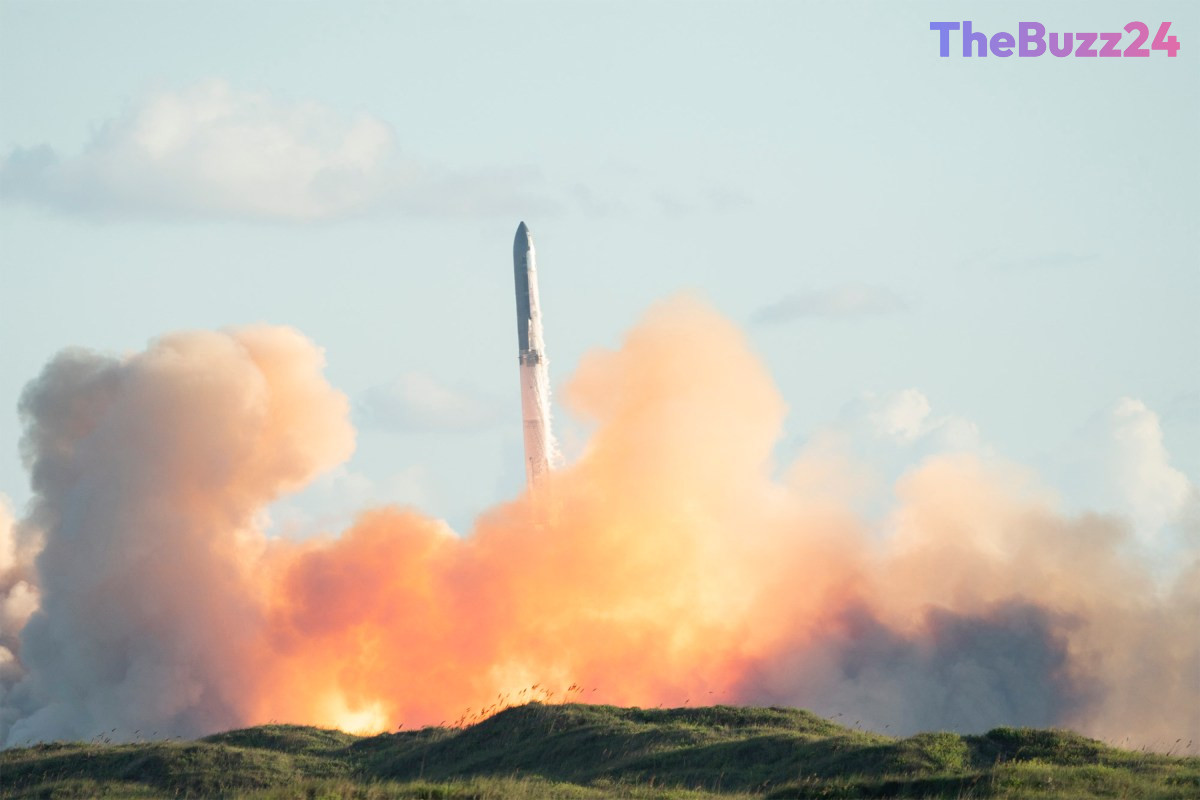
During the May 22 mission, the Super Heavy booster successfully detached from the Starship vehicle but suffered critical engine malfunctions during its return burn maneuver. The hardware subsequently lost control and impacted the Gulf of Mexico. Although the FAA confirmed that the incident resulted in no public injuries or damage to property, the failure of the third-generation Raptor engines represents a significant technical hurdle for the program.
In addition to the booster issues, the Starship upper stage experienced an engine failure that prevented the completion of planned orbital objectives. SpaceX maintains that these challenges are inherent to its iterative testing philosophy, which aims to eventually replicate the high reliability of the Falcon 9 fleet. The successful deployment of Starship is considered a cornerstone for the company’s future, as the vehicle is essential for scaling the Starlink satellite network and securing long-term commercial viability.
Key Takeaways
- The FAA has grounded all SpaceX Starship launches pending a mandatory investigation into the May 22 booster failure.
- The incident involved critical engine failures in both the Super Heavy booster and the Starship upper stage during flight.
- SpaceX must implement and verify corrective measures before the FAA will authorize a return to flight status.
Editor’s Analysis & Impact
The grounding of the Starship program highlights the inherent tension between rapid, iterative aerospace development and the stringent safety oversight required by federal regulators. For SpaceX, the Starship is not merely a research project but a critical infrastructure asset intended to facilitate the next generation of Starlink deployments and deep-space logistics. While the company has historically managed such setbacks as part of its ‘fail-fast’ engineering culture, the regulatory scrutiny from the FAA underscores the increasing complexity of commercial space operations. If the investigation reveals systemic flaws in the V3 design, the resulting delays could impact the company’s long-term financial projections and its ability to meet ambitious launch cadences. Investors and industry stakeholders will be watching closely to see how quickly SpaceX can pivot to address these technical shortcomings without compromising the vehicle’s long-term reliability goals.
Frequently Asked Questions
Q: Why did the FAA ground the Starship program?
A: The FAA grounded the program to ensure a comprehensive investigation is conducted following the failure of the Super Heavy booster and the Starship upper stage during a test flight on May 22.
Q: Were there any injuries during the Starship test flight?
A: No, the FAA confirmed that the incident resulted in no public injuries or damage to property.
AI Disclosure: This article is based on verified data and official reports. Our Team and AI have cross-referenced every financial detail with primary sources to ensure total accuracy.
More from this Category