Fashion Startup Atorie Secures $9.5M to Disrupt Luxury Goods Market
The landscape of high-end retail is undergoing a significant transformation as consumers increasingly push back against post-pandemic price surges. Emerging to meet this shift, fashion startup Atorie has successfully closed a $9.5 million seed financing round backed by prominent venture capital firms and investors, including a16z speedrun, Night Capital, and Lightspeed Ventures’ Jeremy Liew.
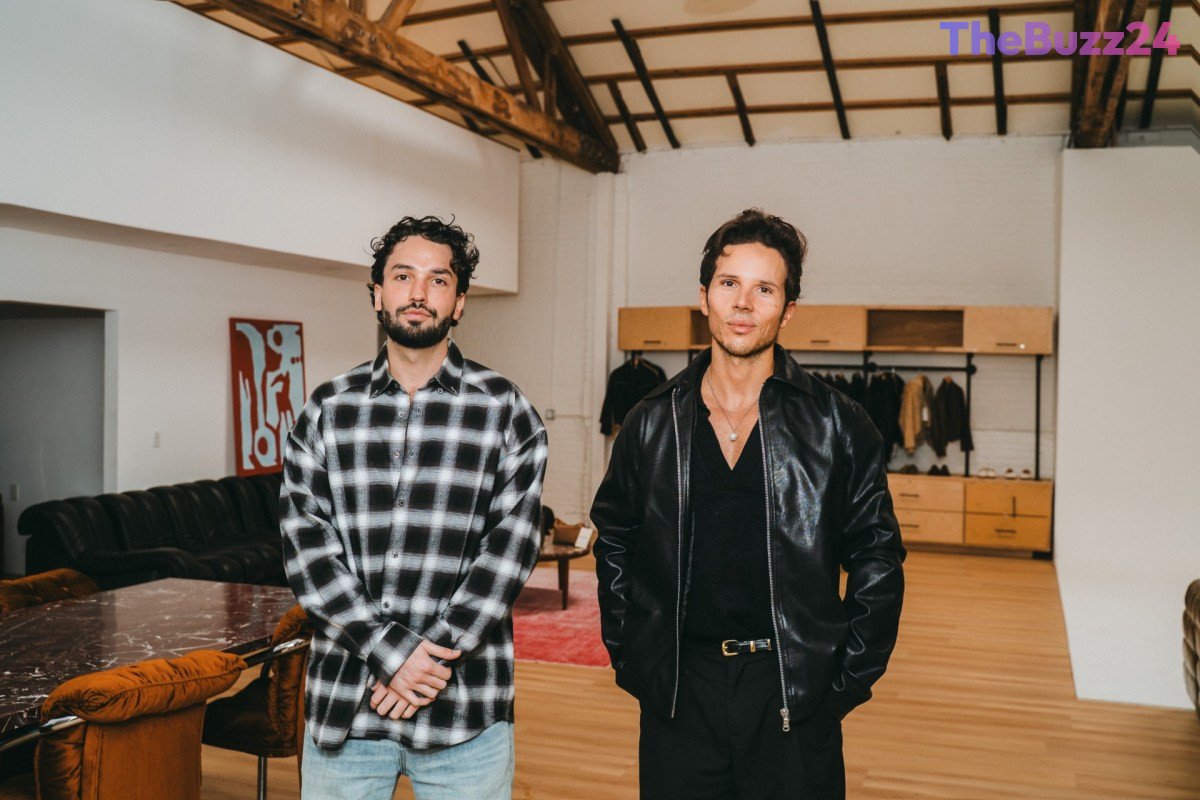
Atorie operates by connecting shoppers directly with the exact manufacturers and materials utilized by premier luxury brands, bypassing traditional designer markups. An Italian leather handbag that might command thousands of dollars under a legacy label can instead be purchased through the platform for a fraction of the cost. Co-founded by serial entrepreneur Redouane Ramdani—who previously built the creator platform Snipfeed—alongside Luis Angulo, the company emphasizes that its offerings are not cheap knockoffs or fast fashion, but rather enduring, slow-fashion goods crafted from the same high-caliber materials as established luxury houses.
The business model capitalizes on an evolving manufacturing sector. Modern luxury factories increasingly possess internal design and product-development capabilities, moving beyond the traditional model where major brands dictated every specification. Empowered by artificial intelligence, these factories can analyze consumer trends, accurately forecast demand, and produce smaller batches to minimize overproduction risks. Atorie leverages these technological advancements across its operations, utilizing AI to predict material shortages, test colorways, and power a consumer-facing shopping assistant that builds personalized outfits based on customer preferences.
Experiencing rapid expansion, the company works with more than 40 factories globally and finished the previous year with approximately $5 million in sales, projecting an annualized run rate exceeding $55 million. The newly acquired capital will be directed toward scaling logistics, developing advanced AI capabilities, expanding production, and introducing an in-house product line alongside collaborations with digital creators.
Key Takeaways
- Atorie secured $9.5 million in a seed funding round backed by prominent investors like a16z speedrun and Lightspeed Ventures.
- The platform connects consumers directly with luxury manufacturers to offer high-end materials without traditional designer markups.
- The startup leverages artificial intelligence for trend forecasting, inventory management, and personalized consumer shopping experiences.
Editor’s Analysis & Impact
The rise of direct-to-consumer luxury alternatives like Atorie signals a deeper, structural shift in consumer behavior and retail supply chains. As younger demographics grow fatigued by relentless price inflation from legacy luxury brands and the environmental toll of ultra-fast fashion, a middle ground focusing on transparent craftsmanship is taking root. By integrating AI into manufacturing forecasts and front-end shopping experiences, startups are effectively removing operational inefficiencies that have historically bloated retail prices. If companies like Atorie successfully scale, legacy luxury houses may be forced to rethink their pricing strategies and geographic manufacturing dependencies to retain value-conscious, digitally native consumers.
Frequently Asked Questions
Q: What is Atorie?
A: Atorie is an AI-powered fashion startup that connects consumers directly with luxury-grade manufacturers, offering high-end apparel and accessories without traditional designer markups.
Q: How does Atorie keep its prices lower than traditional luxury brands?
A: The startup sources products directly from the same factories that produce high-end goods, eliminating the massive branding and marketing markups associated with legacy luxury houses while utilizing AI to optimize production and reduce inventory waste.
Q: How is artificial intelligence used on the platform?
A: Atorie uses AI to analyze fashion trends, test color options, estimate consumer demand, predict material shortages, and power a virtual shopping assistant that helps customers build custom outfits.
AI Disclosure: This article is based on verified data and official reports. Our Team and AI have cross-referenced every financial detail with primary sources to ensure total accuracy.
More from this Category