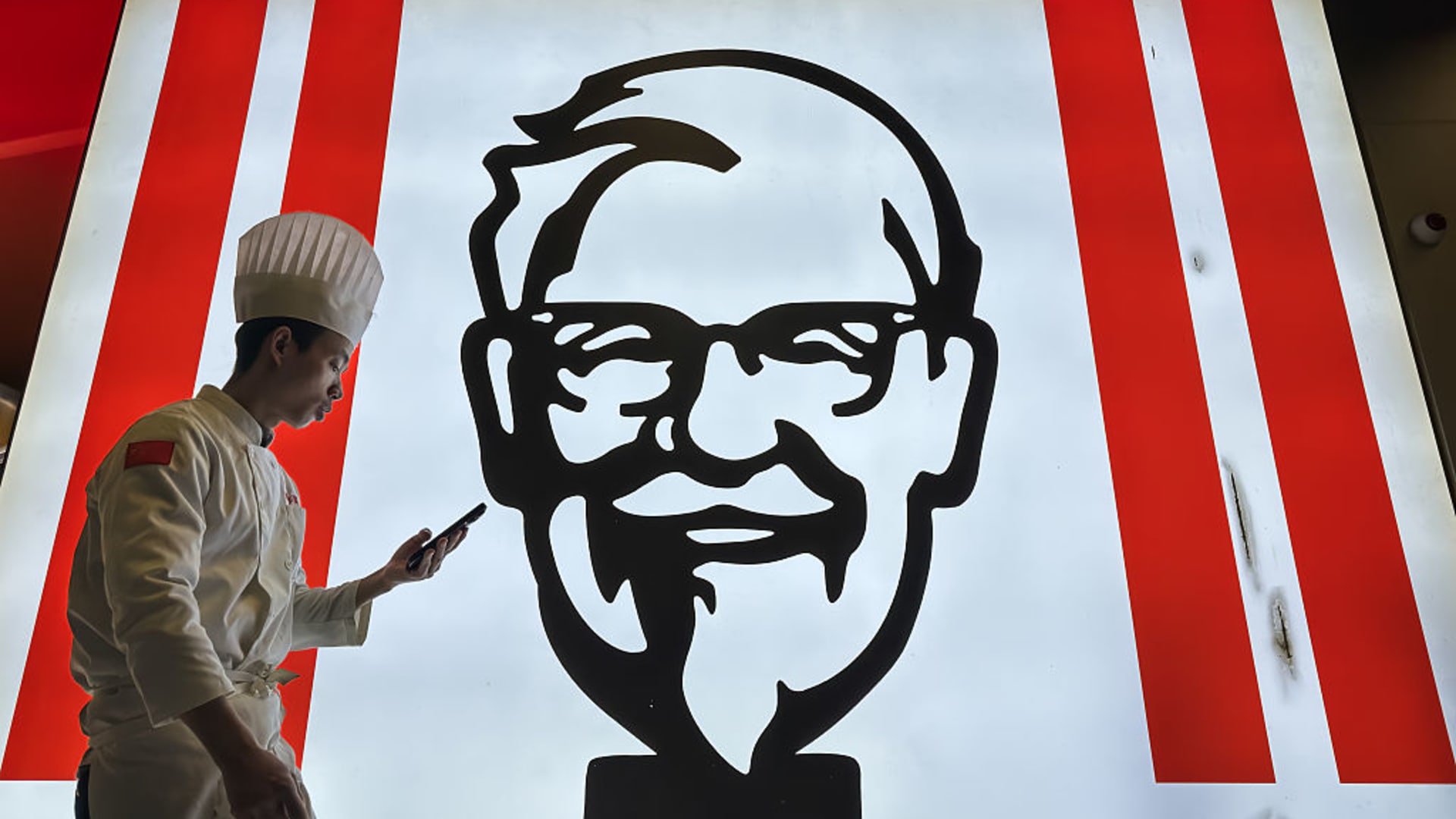
BYD and KFC Partner to Revolutionize EV Charging with Rapid-Charge Hubs
Electric vehicle giant BYD is tackling the persistent issue of charging downtime through a strategic partnership with KFC in China. By integrating high-speed charging infrastructure directly into select KFC drive-thru locations, the collaboration aims to transform the charging experience, allowing drivers to recharge their vehicles while enjoying a meal. These new hubs are engineered for efficiency, capable of providing a near-full charge in approximately nine minutes, a significant improvement over standard industry charging times.
The technological backbone of this initiative is BYD’s second-generation Blade battery, which enables rapid charging to 97% capacity in under ten minutes. To further streamline the process, BYD has introduced a smart ordering system integrated into the vehicle’s dashboard. This allows drivers to place food orders via their car’s interface while en route to a charging station. This feature is currently available on the Fangchengbao Ti7 SUV, with a broader rollout planned for the company’s entire passenger vehicle lineup.
With KFC operating nearly 13,000 locations across China, the partnership provides a massive, pre-existing footprint for infrastructure expansion. BYD, which had already deployed 5,000 flash charging stations by the end of March, has set an aggressive goal to reach 20,000 stations by the end of the year. This rapid expansion is designed to bolster BYD’s competitive edge against domestic rivals like Leapmotor and Zeekr by emphasizing convenience and a seamless, integrated ecosystem for EV owners.
Key Takeaways
- BYD is partnering with KFC in China to install high-speed EV charging stations at drive-thru locations.
- The new charging technology utilizes BYD's second-generation Blade battery to reach 97% charge in under ten minutes.
- BYD aims to expand its network to 20,000 flash charging stations by the end of the year to improve user convenience and market competitiveness.
Editor’s Analysis & Impact
The collaboration between BYD and KFC represents a sophisticated shift in the EV ecosystem, moving beyond simple hardware deployment to focus on ‘lifestyle integration.’ By addressing the primary pain point of EV ownership—charging downtime—BYD is effectively turning a chore into a value-added experience. This strategy not only enhances customer loyalty but also creates a massive, decentralized charging network that bypasses the need for traditional, standalone charging parks. From a market perspective, this aggressive infrastructure rollout is a direct challenge to competitors like Zeekr and Leapmotor, signaling that the next phase of the EV war will be won through ecosystem convenience rather than just vehicle specifications. If successful, this model could serve as a blueprint for global EV manufacturers looking to integrate charging into high-traffic retail environments.
Frequently Asked Questions
Q: How long does it take to charge a vehicle at these new hubs?
A: The charging stations are designed to reach 97% capacity in under ten minutes using BYD's second-generation Blade battery technology.
Q: Can I order food from my car while charging?
A: Yes, BYD has integrated a smart ordering system into the vehicle's dashboard, allowing drivers to place KFC orders via the car's interface while navigating to the charging hub.
AI Disclosure: This article is based on verified data and official reports. Our Team and AI have cross-referenced every financial detail with primary sources to ensure total accuracy.
More from this Category