FCC Proposes to Scrap 85-Year-Old Local TV Station Ownership Limit
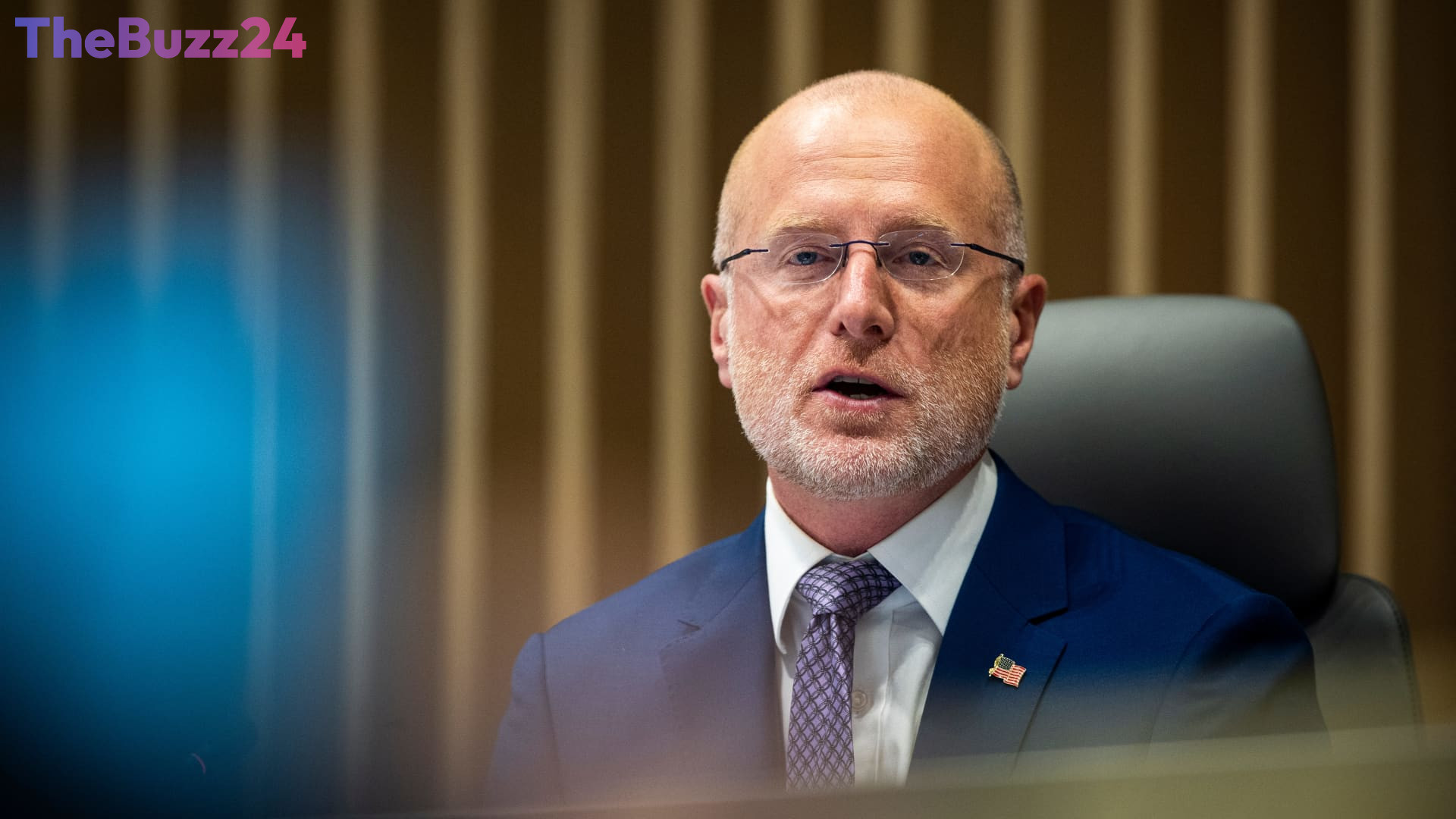
The Federal Communications Commission (FCC) is set to vote on rescinding a nearly century-old regulation that limits the amount of the U.S. television audience any single broadcaster can reach. FCC Chair Brendan Carr announced Wednesday that the agency will consider lifting the 39% ownership cap, which has been in place since 1938.
Carr stated that the proposed change would shift the FCC’s approach to a case-by-case evaluation, allowing for the approval of deals that surpass the current limit if deemed to be in the public interest. This move comes amid ongoing debates about media consolidation and the evolving media landscape. Under the existing framework, stations with less robust over-the-air signals are sometimes counted towards a broadcaster’s ownership limit, a nuance that could be altered by the proposed rule change.
The proposal has already drawn criticism, with some arguing that only Congress has the authority to alter such a long-standing rule and warning of potential excessive concentration of media ownership. This debate intensified following the FCC’s approval of Nexstar’s $3.54 billion acquisition of local TV station owner Tegna. This deal, if finalized, would extend Nexstar’s reach to approximately 80% of U.S. TV households, a move that required a waiver of the 39% rule. The transaction is currently facing legal challenges that have temporarily halted its completion.
Supporters of the rule change, including the National Association of Broadcasters, argue that the current restrictions are outdated and place broadcasters at a disadvantage compared to their non-broadcast competitors in the modern media environment. Conversely, critics, such as FCC Commissioner Anna Gomez, emphasize that the cap represents a congressional mandate to preserve competition, localism, and diverse viewpoints, asserting that it is a legal requirement, not merely a guideline.
Key Takeaways
- The FCC is considering eliminating the 39% cap on local TV station ownership, a rule in place for 85 years.
- The proposed change would allow for a case-by-case review of ownership deals exceeding the current limit, prioritizing public interest.
- The move faces opposition from those who believe only Congress can change the rule and concerns about media consolidation and diversity.
Editor’s Analysis & Impact
The FCC’s potential rollback of the 39% ownership cap signals a significant shift in U.S. media regulation, potentially paving the way for increased consolidation within the local television industry. While proponents argue it modernizes rules for a competitive landscape, critics fear it could stifle localism and viewpoint diversity. This decision could have profound implications for smaller broadcasters, advertising markets, and the availability of local news content. The outcome of this vote and any subsequent legal challenges will be closely watched by industry stakeholders and policymakers alike, shaping the future structure of broadcast media in the United States.
Frequently Asked Questions
Q: What is the 39% ownership cap?
A: The 39% ownership cap is a Federal Communications Commission (FCC) rule that has historically limited a single broadcaster from owning or controlling television stations that reach more than 39% of the total number of U.S. television households.
Q: Why is the FCC considering lifting this cap?
A: The FCC is considering lifting the cap to modernize regulations, arguing that the current rules are outdated in today's media market and that a case-by-case approach would better serve the public interest by allowing for deals that promote competition and innovation.
Q: What are the main concerns about lifting the cap?
A: Concerns include the potential for excessive media consolidation, which critics argue could reduce competition, limit viewpoint diversity, and negatively impact local news coverage. Some also question the FCC's authority to lift the cap, suggesting it should be a congressional decision.
AI Disclosure: This article is based on verified data and official reports. Our Team and AI have cross-referenced every financial detail with primary sources to ensure total accuracy.
More from this Category