Mortgage Rates Climb to Near-Year High, Reshaping Housing Market Dynamics
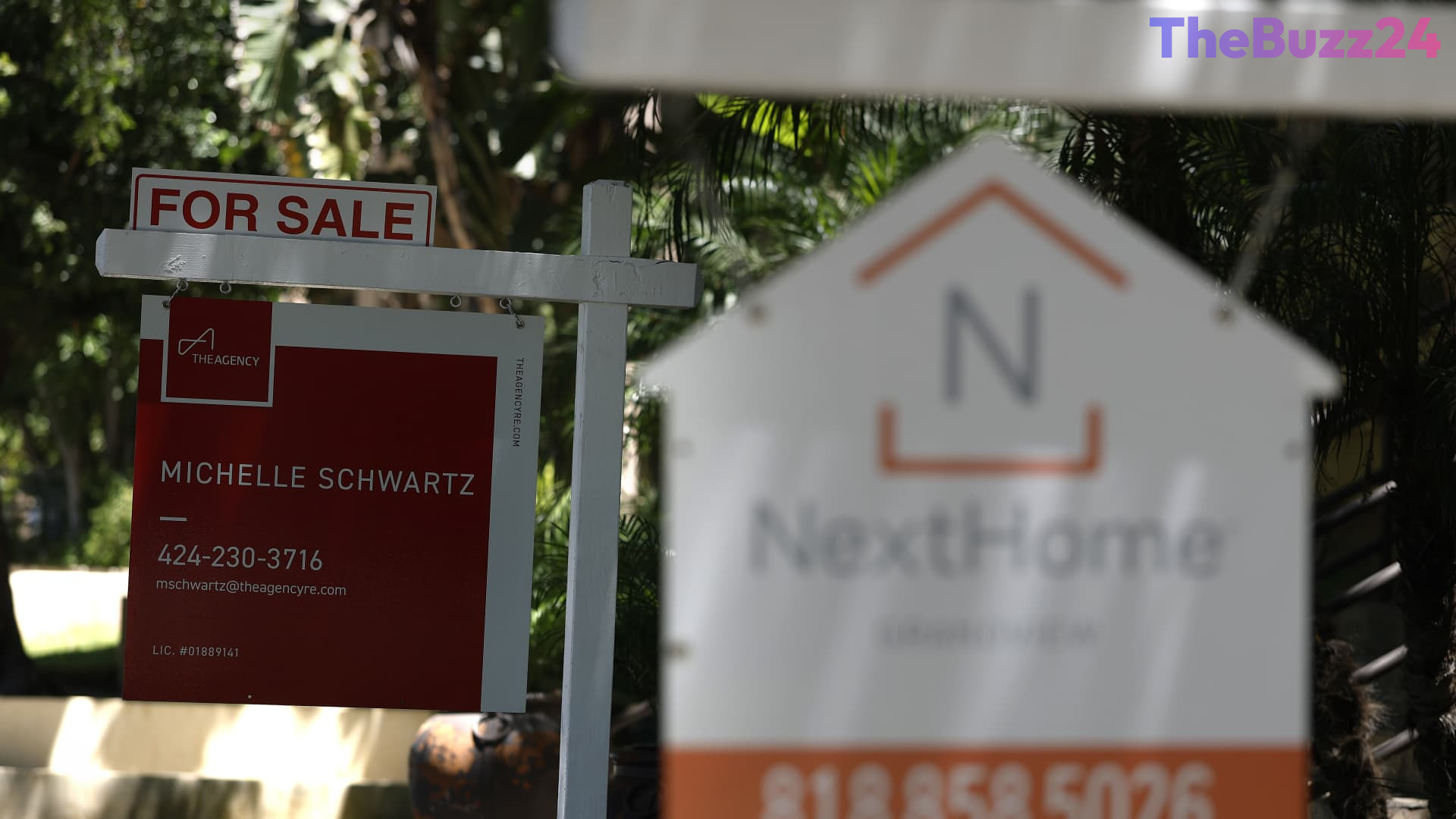
The housing market is experiencing a significant shift as average contract interest rates for 30-year fixed-rate mortgages have surged to 6.65%, up from 6.58% in the prior week. This marks the highest level seen in nearly a year for conforming loan balances of $832,750 or less, creating immediate ripples across borrower behavior.
The increase in borrowing costs has notably dampened demand for home purchases. Applications for mortgages to buy a home plummeted by 7% compared to the previous week and stood 2% lower than the same period a year ago. This decline contributes to an overall 2.7% drop in total mortgage application volume, as prospective buyers continue to grapple with not only elevated interest rates but also persistently high home prices and a constrained supply of affordable properties.
Interestingly, despite the upward trend in rates, refinance applications have shown an unexpected uptick, rising 4% week-over-week and 7% year-over-year. This increase is largely driven by specific segments, with FHA and VA refinance applications seeing gains of 9% and 10% respectively. While the incentive for most borrowers to refinance remains low given that current rates are only marginally higher than a year ago, the surge is attributed to a smaller pool of eligible borrowers and a growing number of homeowners opting for cash-out refinances to capitalize on substantial gains in home equity. Consequently, the refinance share of total mortgage activity expanded to 43.2% from 40.6%.
The recent spike in mortgage rates is primarily linked to an uptick in fuel prices observed in July, which pushed rates higher from an already elevated baseline. However, there was a slight recovery in rates following the release of inflation data that came in lower than market expectations, suggesting a volatile but responsive market environment. The interplay of economic indicators continues to shape the affordability and accessibility of homeownership.
Key Takeaways
- Average 30-year fixed mortgage rates have risen to 6.65%, marking their highest point in nearly a year.
- Home purchase applications have significantly declined, reflecting buyer hesitation amidst high rates and home prices.
- Despite the overall rate increase, refinance applications, particularly for FHA and VA loans, saw an unexpected uptick, likely driven by cash-out refinances leveraging home equity.
Editor’s Analysis & Impact
The recent surge in mortgage rates presents a significant challenge for the housing market, particularly for first-time homebuyers and those with limited equity. The decline in purchase applications signals a cooling demand, which could eventually temper home price appreciation, though persistent supply shortages may prevent a sharp downturn. The unexpected rise in refinance activity, especially cash-out refinances, indicates homeowners are strategically tapping into accumulated equity, potentially for debt consolidation or other investments, which could have broader economic implications for consumer spending and financial stability.
The future trajectory of mortgage rates will largely hinge on inflation trends and the Federal Reserve’s monetary policy decisions. While a slight recovery was observed after lower-than-expected inflation data, a sustained period of elevated rates seems plausible. This environment will likely continue to favor cash buyers or those with substantial down payments, further segmenting the market. Higher borrowing costs could also impact broader economic growth and consumer confidence.
Frequently Asked Questions
Q: What is the current average rate for a 30-year fixed-rate mortgage?
A: The average contract interest rate for 30-year fixed-rate mortgages recently increased to 6.65%, marking its highest level in nearly a year.
Q: How have rising mortgage rates affected home purchase applications?
A: Applications for mortgages to purchase a home fell by 7% week-over-week and were 2% lower than the same period last year, indicating a significant slowdown in buyer demand due to higher costs and home prices.
Q: Why are refinance applications increasing despite higher rates?
A: While general refinance incentives are low, the increase is attributed to a smaller pool of eligible borrowers, particularly a rise in FHA and VA refinance applications, and homeowners leveraging significant home equity through cash-out refinances.
AI Disclosure: This article is based on verified data and official reports. Our Team and AI have cross-referenced every financial detail with primary sources to ensure total accuracy.
More from this Category