White House Economic Advisor Signals Shift Toward Lower Interest Rates Amid Cooling Inflation
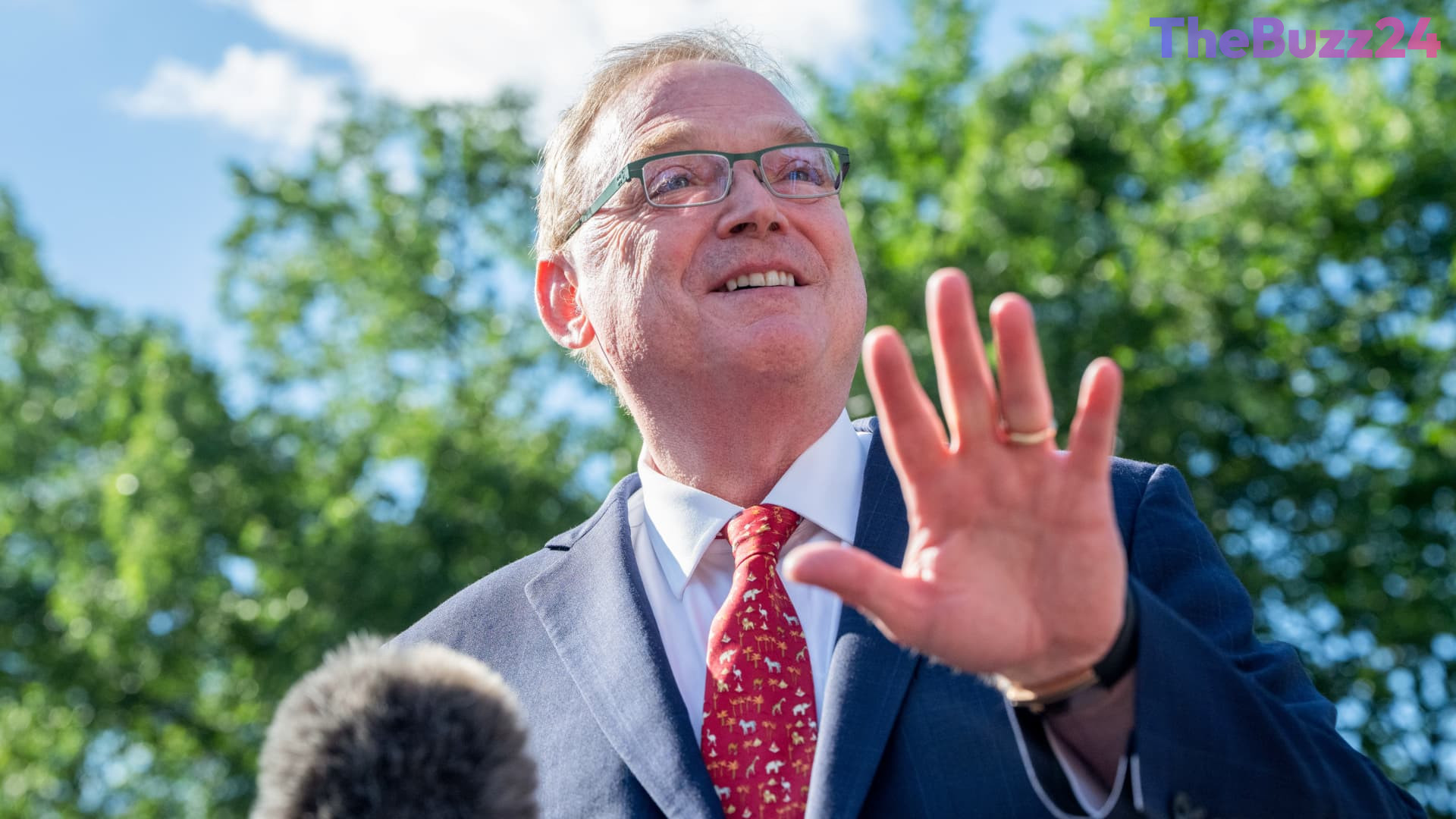
National Economic Council Director Kevin Hassett has publicly stated that there is currently no justification for the Federal Reserve to increase interest rates, citing recent economic data that suggests a cooling inflationary environment. Hassett highlighted a recent consumer price index report as one of the most positive he has encountered in his professional career, noting that the data supports a pivot toward monetary easing rather than tightening.
The administration’s stance aligns with broader calls for the central bank to prioritize economic growth by reducing borrowing costs. Hassett expressed confidence in the leadership of Federal Reserve Chair Kevin Warsh, suggesting that Warsh is well-positioned to guide the Federal Open Market Committee toward policy decisions that reflect the current economic reality. According to the administration, if current trends in inflation and consumer pricing persist, a reduction in interest rates should be the logical next step for the Fed.
Beyond macroeconomic indicators, the administration has attributed some of the recent economic improvements to specific policy initiatives. Hassett pointed to a renewed focus on law and order in major urban centers as a contributing factor to lower insurance costs, arguing that improved security measures have reduced property-related risks. As the debate over monetary policy continues, the administration remains focused on leveraging these positive data points to advocate for a more accommodative interest rate environment.
Key Takeaways
- Kevin Hassett argues that current economic data provides no justification for further interest rate hikes.
- The administration is advocating for a potential reduction in interest rates if inflation trends continue to decline.
- Recent improvements in consumer price data are being linked to both broader economic shifts and specific administration policy focuses.
Editor’s Analysis & Impact
The public pressure from the National Economic Council on the Federal Reserve highlights a growing tension between executive economic goals and independent monetary policy. By framing the latest inflation data as a catalyst for rate cuts, the administration is attempting to set the narrative for the Fed’s upcoming meetings. The mention of Kevin Warsh as a guiding force suggests that the administration expects a more sympathetic ear within the central bank’s leadership. If the Fed chooses to maintain current rates despite this pressure, it could signal a continued commitment to its inflation-targeting mandate over short-term political objectives. Investors should monitor how the Fed balances these external demands against its own internal assessments of long-term price stability and labor market health.
Frequently Asked Questions
Q: Why does the administration want the Federal Reserve to lower interest rates?
A: The administration believes that lower interest rates will stimulate economic growth and make borrowing cheaper for businesses and consumers, which they argue is supported by the current cooling inflation data.
Q: What role does Kevin Warsh play in the current economic policy debate?
A: As the Federal Reserve Chair, Kevin Warsh is expected by the administration to lead the committee toward policy decisions that align with the current economic data, which the administration interprets as a signal to move away from rate hikes.
AI Disclosure: This article is based on verified data and official reports. Our Team and AI have cross-referenced every financial detail with primary sources to ensure total accuracy.
More from this Category