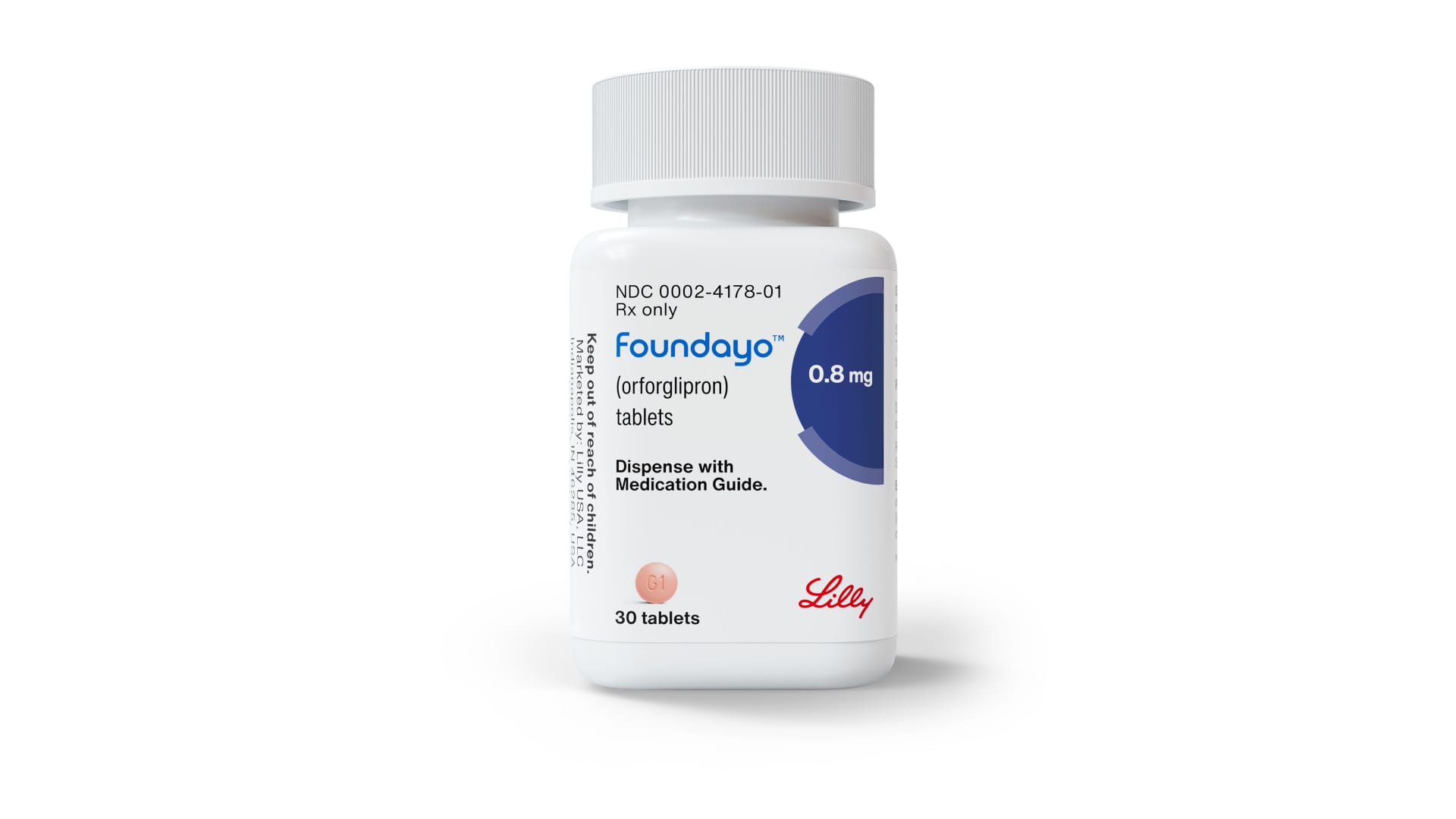
Eli Lilly Launches Foundayo: A New Oral Frontier in Weight Management
The U.S. Food and Drug Administration has officially approved Eli Lilly’s Foundayo, a once-daily oral GLP-1 treatment that represents a major shift in the weight management landscape. By offering a pill-based alternative to traditional injectable therapies, the company aims to increase accessibility for patients who may be hesitant about needles or require more flexible dosing options. While clinical trials show a weight reduction of approximately 12.4%, the drug is positioned as a key component of a broader strategy to democratize access to obesity treatments globally.
Foundayo will be distributed through the company’s direct-to-consumer platform, LillyDirect, before expanding to traditional pharmacies and telehealth networks. Pricing has been structured to remain competitive, with insured patients potentially paying as little as $25 per month. For those without insurance, the cost is set between $149 and $349 depending on the dosage. This pricing model is designed to challenge existing market incumbents, including Novo Nordisk’s oral offerings, by emphasizing ease of use—specifically, the lack of a requirement to take the medication on an empty stomach.
Beyond domestic availability, Eli Lilly is leveraging the unique chemical composition of Foundayo to facilitate international growth. Unlike peptide-based injectables that require stringent cold-chain logistics, Foundayo’s small molecule structure simplifies storage and transportation. With over $55 billion invested in manufacturing since 2020, the company is preparing for regulatory rollouts in more than 40 countries. Analysts remain optimistic about the drug’s trajectory, projecting significant revenue growth as the company continues to diversify its obesity treatment portfolio.
Key Takeaways
- Eli Lilly received FDA approval for Foundayo, a once-daily oral GLP-1 medication for weight management.
- The drug offers logistical advantages over injectables, such as room-temperature storage and no empty-stomach requirement.
- Pricing is tiered to improve accessibility, with costs as low as $25 for insured patients and starting at $149 for the uninsured.
Editor’s Analysis & Impact
The approval of Foundayo marks a strategic pivot in the obesity treatment market, moving away from the logistical bottlenecks of cold-chain dependent injectables toward more scalable, patient-friendly oral solutions. By addressing the ‘needle-phobia’ barrier and simplifying the supply chain, Eli Lilly is positioning itself to capture a massive, underserved segment of the global population. The competitive pricing strategy, combined with the company’s massive manufacturing infrastructure, suggests a long-term play for market dominance. As the obesity medication sector matures, the focus will likely shift from mere efficacy to convenience, adherence, and global distribution. Investors should monitor how this oral option impacts the market share of established injectables like Zepbound and Wegovy, as the success of Foundayo could set a new standard for pharmaceutical accessibility in chronic disease management.
Frequently Asked Questions
Q: How does Foundayo differ from injectable weight loss drugs like Zepbound?
A: Foundayo is a once-daily oral pill, whereas Zepbound is a weekly injectable. Additionally, Foundayo does not require the strict empty-stomach administration that some other oral GLP-1 treatments mandate.
Q: Is Foundayo more effective than existing weight loss medications?
A: Clinical trials showed Foundayo resulted in an average weight loss of 12.4%, which is lower than the 16.6% observed in some trials for competing oral treatments. However, its primary advantage lies in its ease of use and distribution.
AI Disclosure: This article is based on verified data and official reports. Our Team and AI have cross-referenced every financial detail with primary sources to ensure total accuracy.
More from this Category