Feather Robotics Aims to Become the ‘Android’ of the Physical AI Era
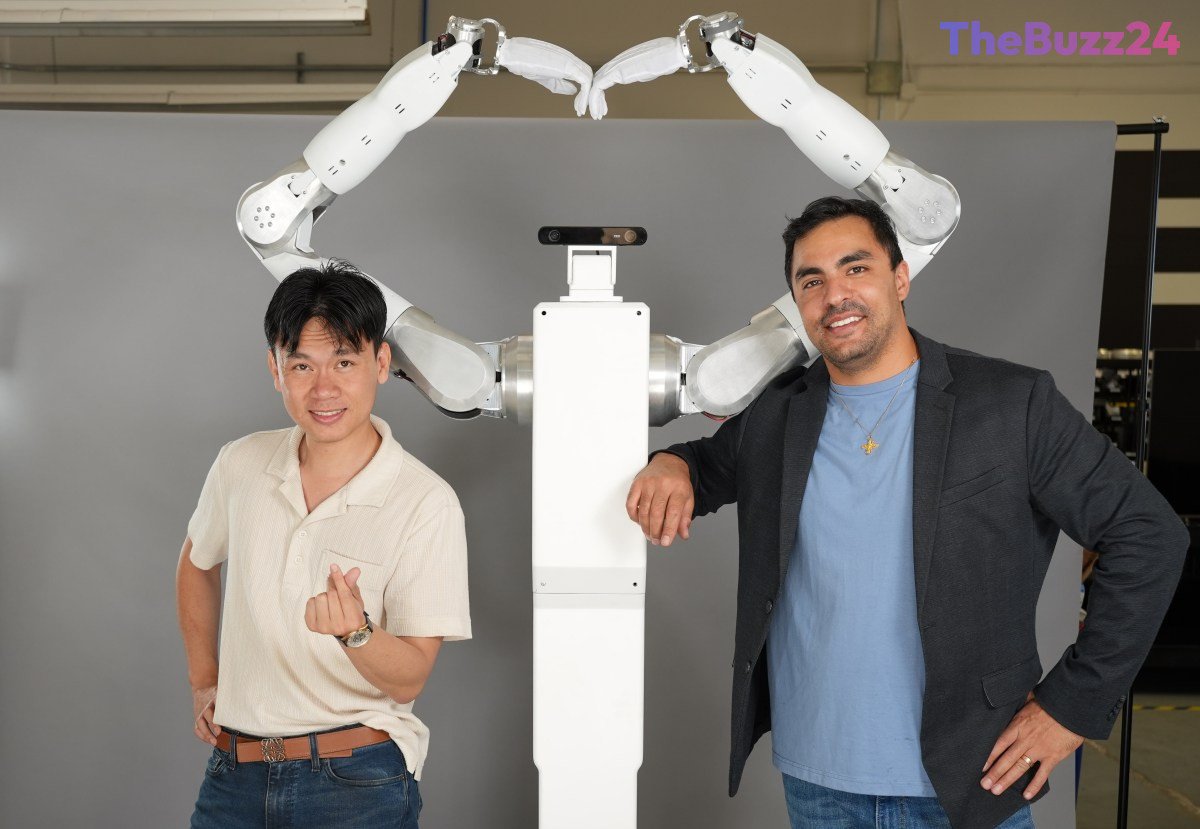
While the industry continues to debate when a truly general-purpose robot will arrive, Feather Robotics is taking a pragmatic approach by focusing on immediate utility. Founded by industry veterans Hoa Mai and Parsa Bakhtiari, the startup is positioning itself as a foundational platform for developers, providing a modular hardware and software toolkit that allows for real-world application today rather than waiting for a distant technological breakthrough.
Unlike major players such as Tesla or Figure, which are attempting to build both the physical body and the foundational ‘brain’ simultaneously, Feather is focusing on a flexible, modular system. This strategy mirrors the growth patterns of successful tech giants like Apple and Nvidia, which prioritized deployable products before layering on complexity. By offering hardware that can integrate with models from leading AI providers, Feather allows developers to customize robots for specific tasks, ranging from restaurant kitchen operations to laboratory maintenance.
Backed by a $7.6 million pre-seed round led by Gradient Ventures, the company has already surpassed $1 million in revenue. With a price point of $30,000—significantly lower than comparable international models—Feather is positioning itself as a cost-effective, domestic alternative for businesses looking to automate labor-intensive tasks. As the company prepares for a major product launch, it aims to establish an ecosystem where thousands of physical AI applications can thrive on its platform.
By filling the gap for a modular, U.S.-based humanoid platform, Feather is betting that the future of robotics lies in the ecosystem built around the hardware. As the market for physical AI matures, the startup intends to serve as the essential infrastructure for the next generation of robotic developers.
Key Takeaways
- Feather Robotics provides a modular hardware and software platform designed for immediate developer use, rather than waiting for general-purpose AI maturity.
- The company has already achieved over $1 million in revenue with robots currently deployed in specialized roles like restaurant cooking and lab cleaning.
- At a $30,000 price point, Feather offers a cost-effective, U.S.-made alternative to foreign robotics hardware, targeting businesses looking to automate labor.
Editor’s Analysis & Impact
Feather Robotics represents a strategic shift in the humanoid sector, moving away from the ‘all-in-one’ model favored by tech giants toward a platform-as-a-service approach. By focusing on modularity, the company effectively lowers the barrier to entry for developers, which is critical for the rapid proliferation of physical AI. The market impact of this strategy is significant; by positioning itself as the ‘Android’ of robotics, Feather is attempting to capture the developer ecosystem early. If successful, this could create a powerful network effect, making their hardware the standard for third-party AI developers. The primary challenge remains the competitive landscape, as they must scale production and maintain software compatibility while larger, better-funded competitors continue to iterate on their own proprietary, closed-loop systems.
Frequently Asked Questions
Q: How does Feather Robotics differ from companies like Tesla or Figure?
A: While Tesla and Figure are building both the hardware and the proprietary AI 'brain' as a closed system, Feather provides a modular hardware platform that allows developers to integrate their own AI models and customize the robot for specific tasks.
Q: What is the primary target market for Feather's robots?
A: Feather targets developers and businesses looking to automate specific, real-world tasks. Their robots are currently being used in environments like restaurants and science laboratories.
AI Disclosure: This article is based on verified data and official reports. Our Team and AI have cross-referenced every financial detail with primary sources to ensure total accuracy.
More from this Category