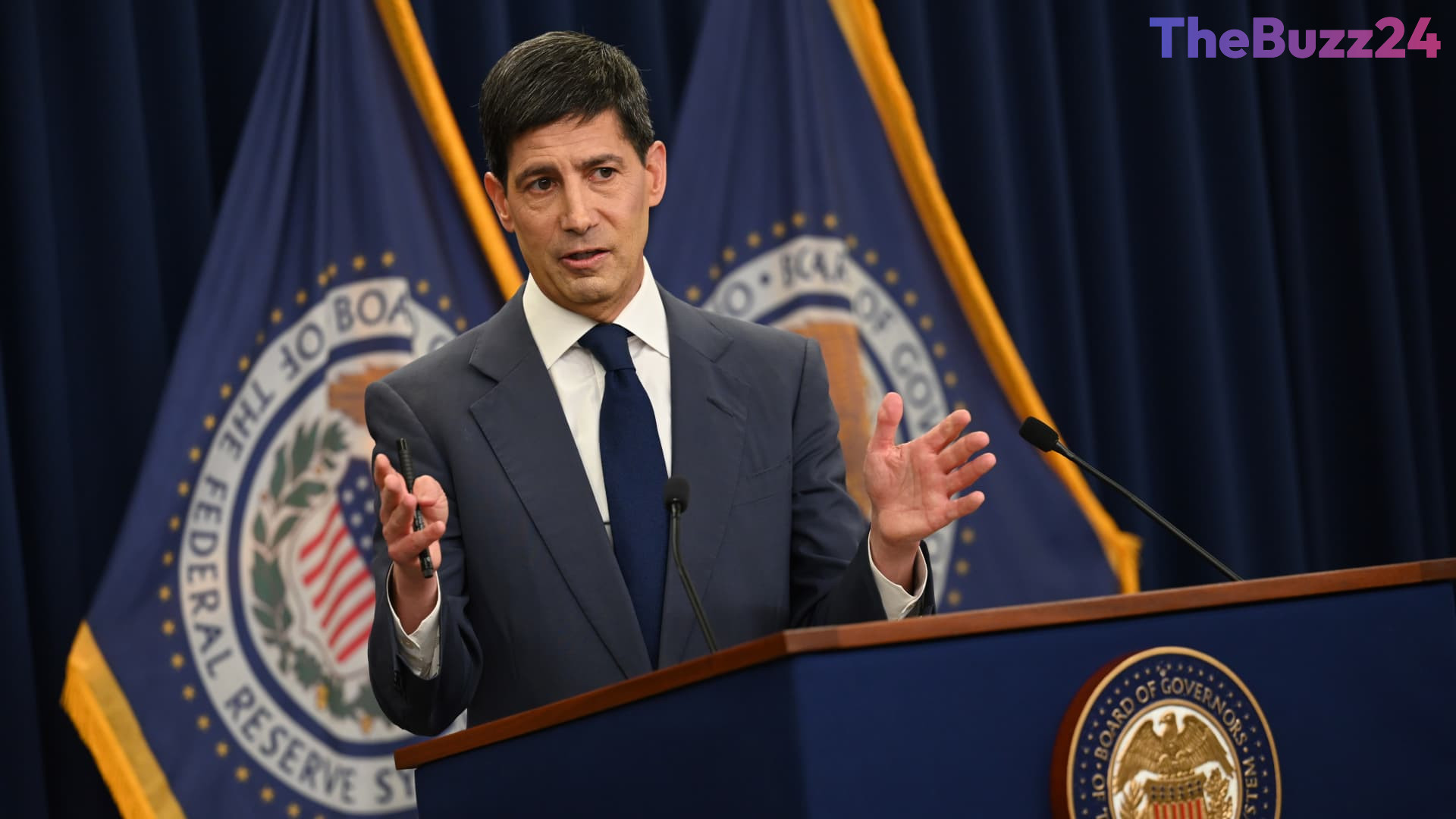
Fed Chair Kevin Warsh Signals Hawkish Stance, Rattling Financial Markets
Federal Reserve Chairman Kevin Warsh has surprised financial markets with a firm commitment to combating inflation, effectively dismantling the prevailing narrative that he would prioritize aggressive monetary easing. During a recent press conference, Warsh emphasized the Federal Open Market Committee’s unanimous dedication to achieving price stability, a move that caught many investors off guard who had anticipated a more dovish approach from the new leadership.
The market reaction was swift, as Treasury yields climbed and traders recalibrated their expectations for future interest rate hikes. Futures markets now reflect a significantly higher probability of rate increases occurring as early as this summer, with projections extending well into the coming years. This shift in sentiment represents a departure from the assumption that the Fed would prioritize economic stimulus over inflation control, despite previous political pressure to lower borrowing costs.
Despite the initial volatility, some analysts suggest that Warsh’s rhetoric may be a strategic effort to anchor inflation expectations rather than a precursor to immediate, drastic policy changes. With underlying core inflation showing signs of cooling and commodity prices retreating from recent peaks, there is a growing debate among experts regarding whether the central bank will actually follow through with rate hikes in the current calendar year, particularly given the complexities of the broader economic and political landscape.
Ultimately, the financial community is left weighing the comfort of a central bank committed to price stability against the uncertainty of a potentially more restrictive monetary policy. As the Fed continues to monitor economic data, the focus remains on whether the current inflation-fighting stance will persist or if shifting global conditions will necessitate a pivot back toward a more flexible approach.
Key Takeaways
- Fed Chair Kevin Warsh has adopted a hawkish tone, prioritizing inflation control over previous expectations of monetary easing.
- Financial markets reacted with increased Treasury yields and higher probability bets for interest rate hikes in the near term.
- Analysts remain divided on whether the Fed will actually raise rates this year, citing cooling core inflation and potential political sensitivities.
Editor’s Analysis & Impact
The shift in tone from Chairman Kevin Warsh marks a critical juncture for U.S. monetary policy. By positioning himself as an inflation hawk, Warsh is attempting to restore the Federal Reserve’s credibility as an independent guardian of price stability. This ‘regime change’ in communication style is designed to curb long-term inflation expectations, which is essential for preventing a wage-price spiral. However, the market’s sensitivity to this hawkish pivot highlights the fragility of current investor sentiment. If the Fed maintains this aggressive stance while the economy shows signs of slowing, it risks triggering a policy-induced recession. Conversely, if the Fed retreats too quickly, it risks losing its inflation-fighting mandate. The coming months will be a delicate balancing act, as the central bank must navigate between cooling persistent price pressures and avoiding unnecessary economic contraction in a highly polarized political environment.
Frequently Asked Questions
Q: Why did the market expect Kevin Warsh to be a 'dove'?
A: Many investors initially believed that Warsh would favor lower interest rates to stimulate economic growth and productivity, particularly given his past commentary on the potential of AI to boost the economy without fueling inflation.
Q: What is the current market outlook for interest rate hikes?
A: Following Warsh's comments, futures markets have priced in a higher probability of rate hikes starting as early as July, with expectations for multiple increases over the next several years.
AI Disclosure: This article is based on verified data and official reports. Our Team and AI have cross-referenced every financial detail with primary sources to ensure total accuracy.
More from this Category