Fed Governor Barr Signals Potential Rate Hike Amid Persistent Inflation Concerns
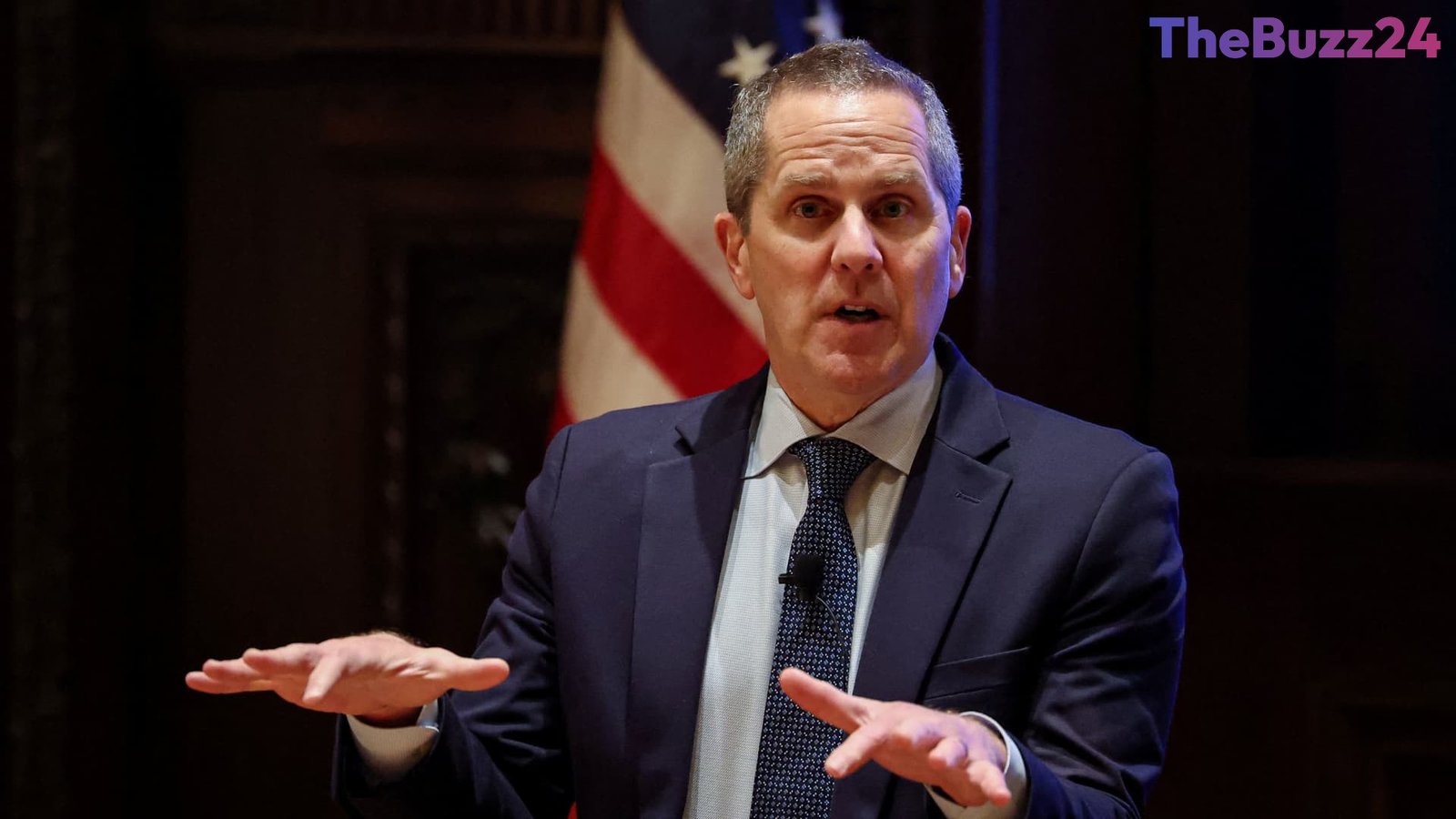
Federal Reserve Governor Michael Barr has signaled a readiness to support further interest rate increases if inflation does not show clear signs of retreating toward the central bank’s 2% target. Speaking at a banking forum in Washington, Barr expressed apprehension regarding the persistence of broad price pressures, noting that inflation has remained above the target threshold for over five years.
While Barr acknowledged that consumer spending has demonstrated resilience despite the current economic climate, he emphasized that the Fed must remain vigilant. He stated that if incoming data fails to provide confidence that inflation is on a sustainable downward trajectory, the committee should be prepared to act decisively. As a permanent voting member of the Federal Open Market Committee, Barr’s stance carries significant weight as the central bank approaches its next policy meeting.
Market participants are closely monitoring these developments, especially as bond yields continue to climb. The benchmark 10-year Treasury note recently reached levels not seen since early 2025, reflecting heightened investor anxiety. With the next policy meeting scheduled for two weeks from now, current market projections suggest a significant probability of a rate hike, as the Fed balances the need for economic stability against the ongoing challenge of cooling price growth.
Key Takeaways
- Governor Michael Barr indicated he will support a rate hike if inflation data does not show sufficient moderation.
- Inflation has remained above the Federal Reserve's 2% target for over five years, prompting concerns about entrenched price pressures.
- Market expectations for a potential rate hike at the upcoming Federal Open Market Committee meeting have increased amid rising Treasury yields.
Editor’s Analysis & Impact
The comments from Governor Barr underscore the Federal Reserve’s ‘data-dependent’ approach to monetary policy in an increasingly volatile macroeconomic environment. By explicitly linking future rate decisions to upcoming inflation reports, the Fed is attempting to manage market expectations while maintaining the flexibility to combat persistent price growth. The broader implication is that the ‘higher for longer’ interest rate narrative remains the primary driver of market sentiment. Investors should anticipate continued volatility in bond markets and equity valuations as the central bank weighs the risk of overtightening against the danger of allowing inflation to become structural. The upcoming consumer and producer price index releases will be critical indicators for the Fed’s next move, likely dictating the short-term trajectory of the broader economy.
Frequently Asked Questions
Q: What is the Federal Reserve's target inflation rate?
A: The Federal Reserve maintains a long-term inflation target of 2%.
Q: Why are rising Treasury yields significant to the economy?
A: Rising Treasury yields often signal that investors expect higher interest rates or increased inflation, which can lead to higher borrowing costs for businesses and consumers, potentially slowing economic growth.
AI Disclosure: This article is based on verified data and official reports. Our Team and AI have cross-referenced every financial detail with primary sources to ensure total accuracy.
More from this Category