Robotaxi Race Accelerates: Waymo and Zoox Expand U.S. Footprint Amidst Growing Competition
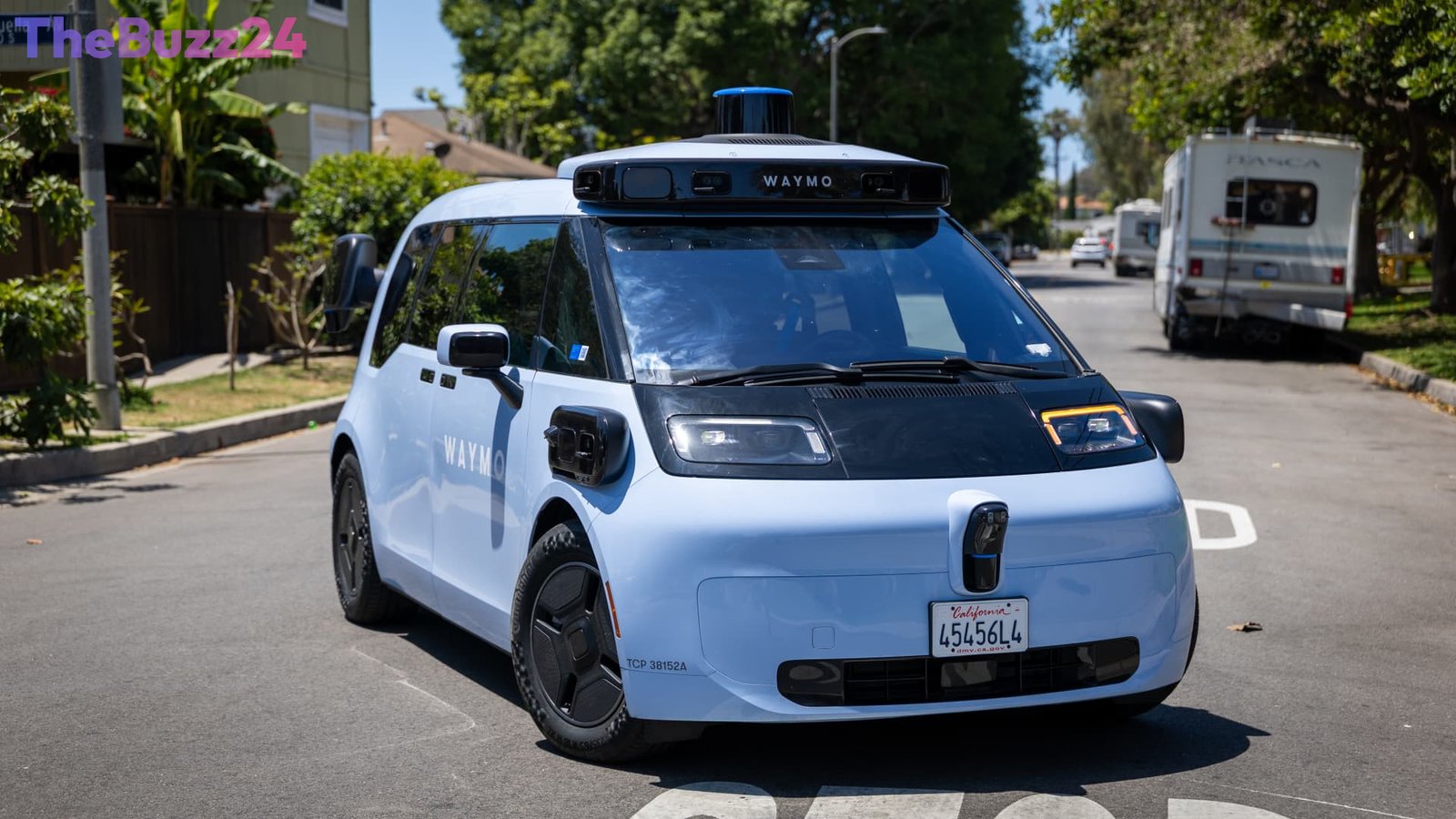
The autonomous vehicle sector is witnessing a significant expansion as industry leaders Waymo and Zoox announce ambitious growth plans across multiple U.S. markets. Waymo, a subsidiary of Alphabet, is launching its paid driverless ride-hailing services in Denver, San Diego, and Tampa, Florida. This move marks a significant geographical expansion for the company, introducing its commercial operations to Colorado for the first time and broadening its reach in California and Florida.
Meanwhile, Amazon’s Zoox is gearing up to commence testing of its autonomous vehicles in Houston and San Diego. These initial tests will include human supervisors on board, a step towards validating the technology in new environments. With these planned expansions, Zoox anticipates having a presence in 12 U.S. markets, though its paid ride-hailing service currently operates solely in Las Vegas, with a free service available to select users in San Francisco.
These developments occur as the robotaxi market continues to heat up, with Tesla also expected to reveal further details about its own driverless Cybercab and Robotaxi service this week. The competitive landscape is intensifying, with projections indicating substantial market growth. Goldman Sachs Research forecasts the U.S. robotaxi market could surge from approximately $3 billion next year to $19 billion by 2030, and potentially reach $48 billion by 2035.
Waymo, which currently leads the U.S. market with over 4,000 vehicles deployed across 14 cities, is enhancing its fleet with newer models featuring advanced technology and integrated entertainment systems. The company aims to significantly increase its weekly ride volume, targeting over one million rides per week by the end of 2026. Despite the rapid advancements, the autonomous vehicle industry faces scrutiny regarding potential job displacement for transportation workers and calls for greater transparency in safety data from advocacy groups.
Key Takeaways
- Waymo and Zoox are expanding their driverless ride services into new U.S. cities, intensifying competition in the robotaxi market.
- The U.S. robotaxi market is projected for significant growth, with forecasts predicting a multi-billion dollar industry by 2030.
- The expansion of autonomous vehicle technology raises concerns about job displacement and the need for standardized safety data disclosure.
Editor’s Analysis & Impact
The aggressive expansion by Waymo and Zoox signals a critical phase in the robotaxi industry’s maturation. As more players enter and scale operations, the race to capture market share intensifies, driven by technological advancements and significant projected market growth. This expansion, however, is not without its challenges. Companies must navigate regulatory landscapes, public perception, and address valid concerns from labor and safety advocates. The success of these ventures will hinge on their ability to demonstrate consistent safety, reliability, and scalability, while also contributing to a broader conversation about the societal impact of autonomous transportation.
Frequently Asked Questions
Q: What is Waymo's current market position in the U.S. robotaxi sector?
A: Waymo currently holds a commanding market lead in the U.S. robotaxi sector, operating with over 4,000 vehicles across 14 cities and providing more than 500,000 rides weekly.
Q: What are the main concerns surrounding the expansion of autonomous vehicles?
A: Key concerns include potential job losses for professional drivers in the transportation sector and demands from safety advocates for standardized disclosure of mileage and crash data.
Q: When is Tesla expected to provide more information about its robotaxi service?
A: Tesla is expected to share more details about its driverless Cybercab and Robotaxi ride-hailing service this week, likely around Thursday.
AI Disclosure: This article is based on verified data and official reports. Our Team and AI have cross-referenced every financial detail with primary sources to ensure total accuracy.
More from this Category