Fed Governor Waller Advocates for Sustained Interest Rate Stability Amid Economic Headwinds
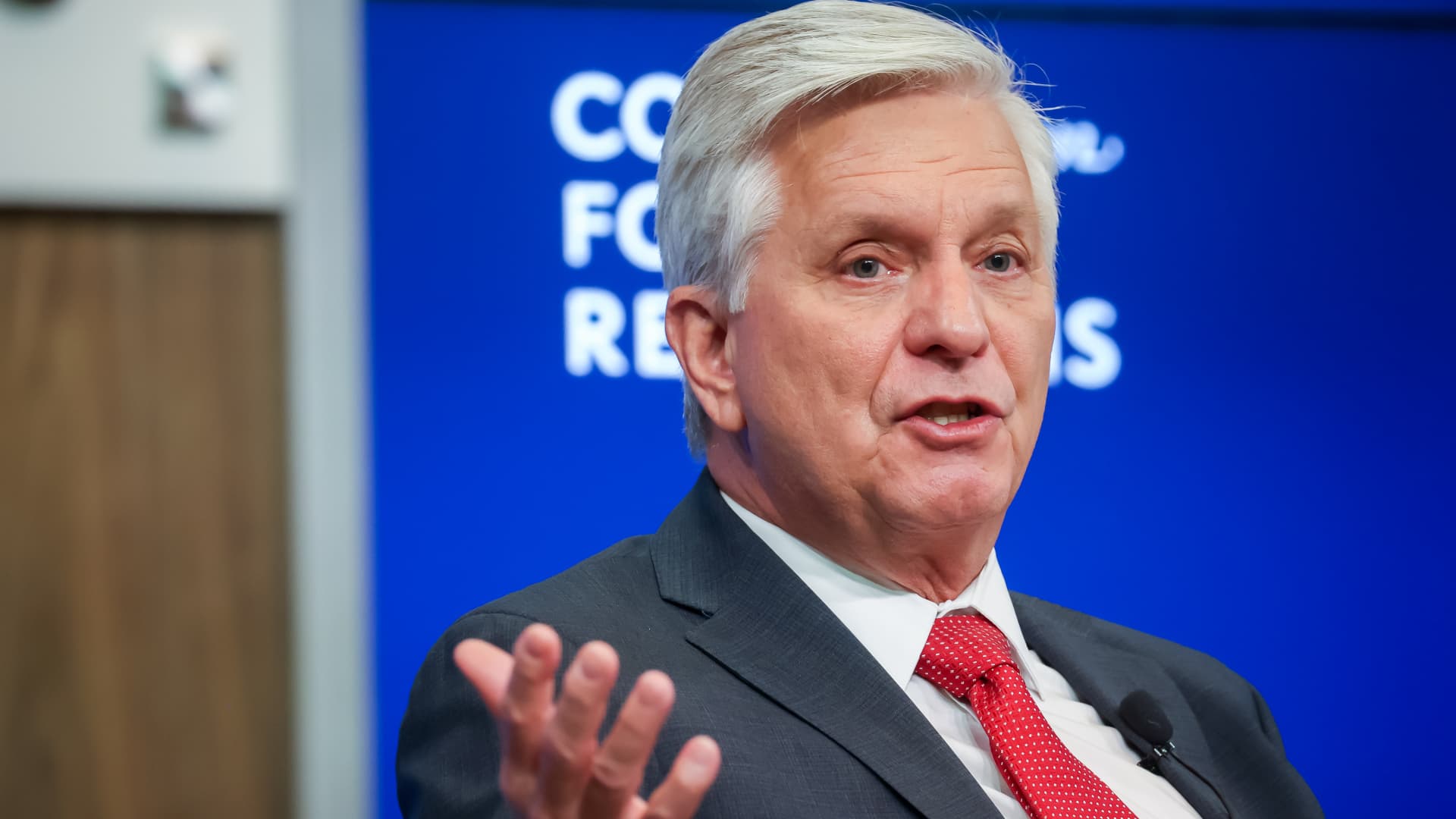
Federal Reserve Governor Christopher Waller has signaled that the central bank may need to keep interest rates at their current levels for a longer duration than previously anticipated. Speaking in Alabama, Waller highlighted the intricate balancing act facing policymakers as they navigate a landscape defined by stubborn inflationary pressures and an increasingly fragile labor market.
Waller characterized the current economic environment as exceptionally complex, emphasizing the need to carefully weigh the Fed’s dual mandate of ensuring price stability while fostering maximum employment. He noted that if inflation risks continue to outpace concerns regarding the labor market, maintaining the current target range for the federal funds rate remains the most prudent course of action to ensure long-term economic health.
Regarding the labor sector, Waller observed that while hiring has slowed, the break-even rate required to sustain current unemployment levels may be nearing zero. However, he cautioned that employers remain in a precarious position, balancing past difficulties in talent acquisition with current economic volatility. This vulnerability leaves the workforce susceptible to sudden shocks that could trigger significant layoffs if conditions deteriorate further.
Looking toward inflation, Waller expressed caution regarding potential external shocks, including geopolitical tensions and the implementation of new import tariffs. He warned that these factors could mirror the persistent inflationary cycles seen during the pandemic, potentially complicating the path toward the Fed’s target goals. Consequently, the central bank remains committed to a data-dependent approach to monetary policy.
Key Takeaways
- Governor Waller suggests interest rates will likely remain on hold for an extended period to combat persistent inflation.
- The labor market is described as being in a 'tightrope' position, where employers are vulnerable to economic shocks that could lead to job losses.
- Geopolitical instability and new import tariffs are identified as significant risks that could fuel long-term inflationary growth.
Editor’s Analysis & Impact
Governor Waller’s recent commentary underscores a hawkish pivot within the Federal Reserve, reflecting a growing consensus that the ‘last mile’ of inflation control will be the most difficult. By emphasizing the potential for external shocks—such as trade policy shifts and geopolitical conflicts—Waller is signaling to the markets that the era of ‘higher for longer’ interest rates is not ending anytime soon. This stance suggests that the Fed is prioritizing price stability over the risk of a cooling labor market, which could dampen equity market sentiment in the short term. Investors should prepare for a period of volatility as the central bank remains hyper-vigilant against any signs of re-accelerating inflation, effectively narrowing the window for potential rate cuts in the coming quarters.
Frequently Asked Questions
Q: Why is the Federal Reserve considering keeping interest rates high?
A: The Fed is maintaining high rates to combat persistent inflation and ensure that price stability is achieved, even if it means risking some cooling in the labor market.
Q: What risks does Governor Waller see for the labor market?
A: Waller believes employers are in a vulnerable position, balancing past hiring struggles with current economic uncertainty, which makes them susceptible to sudden shocks that could lead to significant job reductions.
AI Disclosure: This article is based on verified data and official reports. Our Team and AI have cross-referenced every financial detail with primary sources to ensure total accuracy.
More from this Category