Federal Reserve Faces Historic Dissent as Leadership Transition Looms
The Federal Reserve has opted to maintain its benchmark interest rate in a range of 3.5% to 3.75%, marking the third consecutive meeting without a policy change. The decision comes at a time of significant internal friction, as the Federal Open Market Committee (FOMC) recorded four dissenting votes—the highest level of disagreement within the central bank since 1992. Policymakers remain caught between the persistent threat of inflation, which has remained above 3% since late 2023, and the need to navigate a labor market that shows signs of cooling despite steady employment figures.
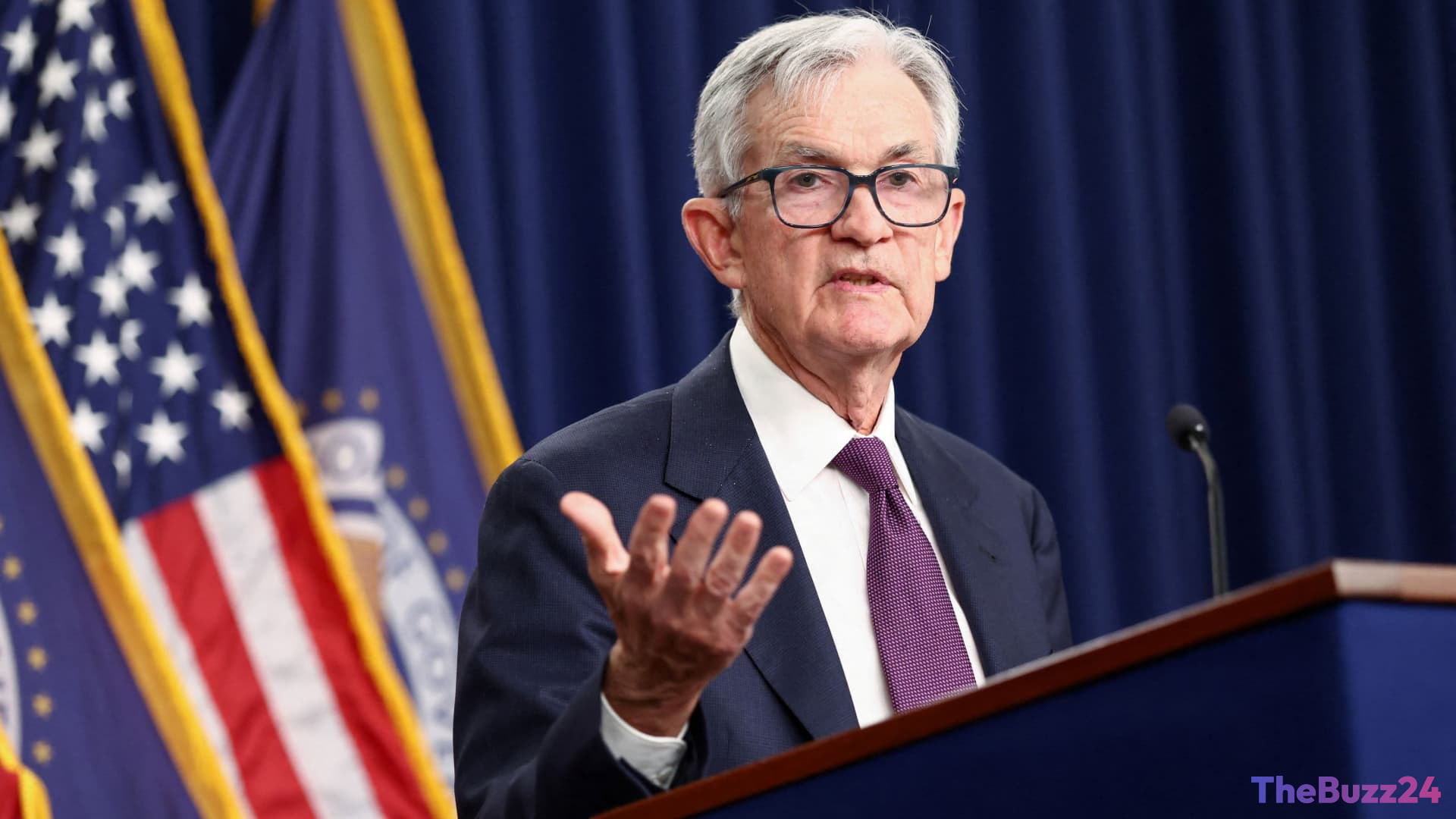
The meeting was particularly notable as it may serve as the final session under the leadership of Chair Jerome Powell. While the Senate Banking Committee has advanced the nomination of Kevin Warsh as the next Fed chair, Powell has signaled his intention to remain on the Board of Governors until an ongoing investigation into Federal Reserve headquarters renovations reaches a formal conclusion. This decision to stay on as a governor, rather than departing entirely, is a rare move that could influence the board’s composition and policy direction during the transition period.
Internal division was evident in the voting process. Governor Stephen Miran dissented in favor of a quarter-percentage-point rate cut, while regional bank presidents Beth Hammack, Neel Kashkari, and Lorie Logan opposed the inclusion of language in the policy statement that suggested a bias toward future easing. These officials expressed concern that signaling further rate cuts could undermine the Fed’s commitment to curbing inflation, which continues to be pressured by global energy price volatility and broader economic policy shifts.
As the central bank prepares for a change in leadership, the broader economic outlook remains clouded by uncertainty. With inflation proving stubborn and the national debt reaching nearly $39 trillion, the incoming leadership will face the dual challenge of maintaining the institution’s independence while coordinating with the executive branch on fiscal and monetary strategies. The transition marks a pivotal moment for the Federal Reserve as it attempts to balance its dual mandate of stable prices and maximum employment in an increasingly complex global economic environment.
Key Takeaways
- The Federal Reserve held interest rates steady at 3.5%-3.75% amid a rare 8-4 split vote, the highest level of dissent in over three decades.
- Chair Jerome Powell plans to remain on the Board of Governors after his term as chair ends, potentially complicating the transition for incoming nominee Kevin Warsh.
- Policymakers are struggling to balance persistent inflation, driven by energy prices and fiscal policy, against a labor market that is showing signs of softening.
Editor’s Analysis & Impact
The Federal Reserve is entering a period of profound institutional transition. The historic level of dissent signals a lack of consensus regarding the ‘neutral’ rate and the appropriate response to sticky inflation. By choosing to remain on the Board of Governors, Powell is effectively limiting the immediate influence of the incoming administration on the board’s composition, which could lead to a more gradual shift in monetary policy than markets initially anticipated. The focus on the 1951 Treasury-Fed Accord suggests that the future of the central bank will involve a re-evaluation of its relationship with the Treasury, particularly regarding debt management. Investors should expect heightened volatility as the market adjusts to a new leadership style and the potential for a more hawkish or coordinated approach to interest rate management in the coming years.
Frequently Asked Questions
Q: Why did four members of the Federal Reserve dissent during the recent meeting?
A: The dissent was split: one member wanted a rate cut, while three others objected to the inclusion of language in the official statement that implied a bias toward future rate reductions, citing concerns over persistent inflation.
Q: Will Jerome Powell leave the Federal Reserve entirely when his term as chair ends?
A: No, Powell has stated his intention to remain on the Board of Governors until an investigation into the Federal Reserve's headquarters renovations is completed, which is a departure from the typical practice of a chair stepping down upon the appointment of a successor.
AI Disclosure: This article is based on verified data and official reports. Our Team and AI have cross-referenced every financial detail with primary sources to ensure total accuracy.
More from this Category