Congressional Scrutiny Intensifies Over Pentagon’s $1.5 Trillion Budget and Iran Strategy
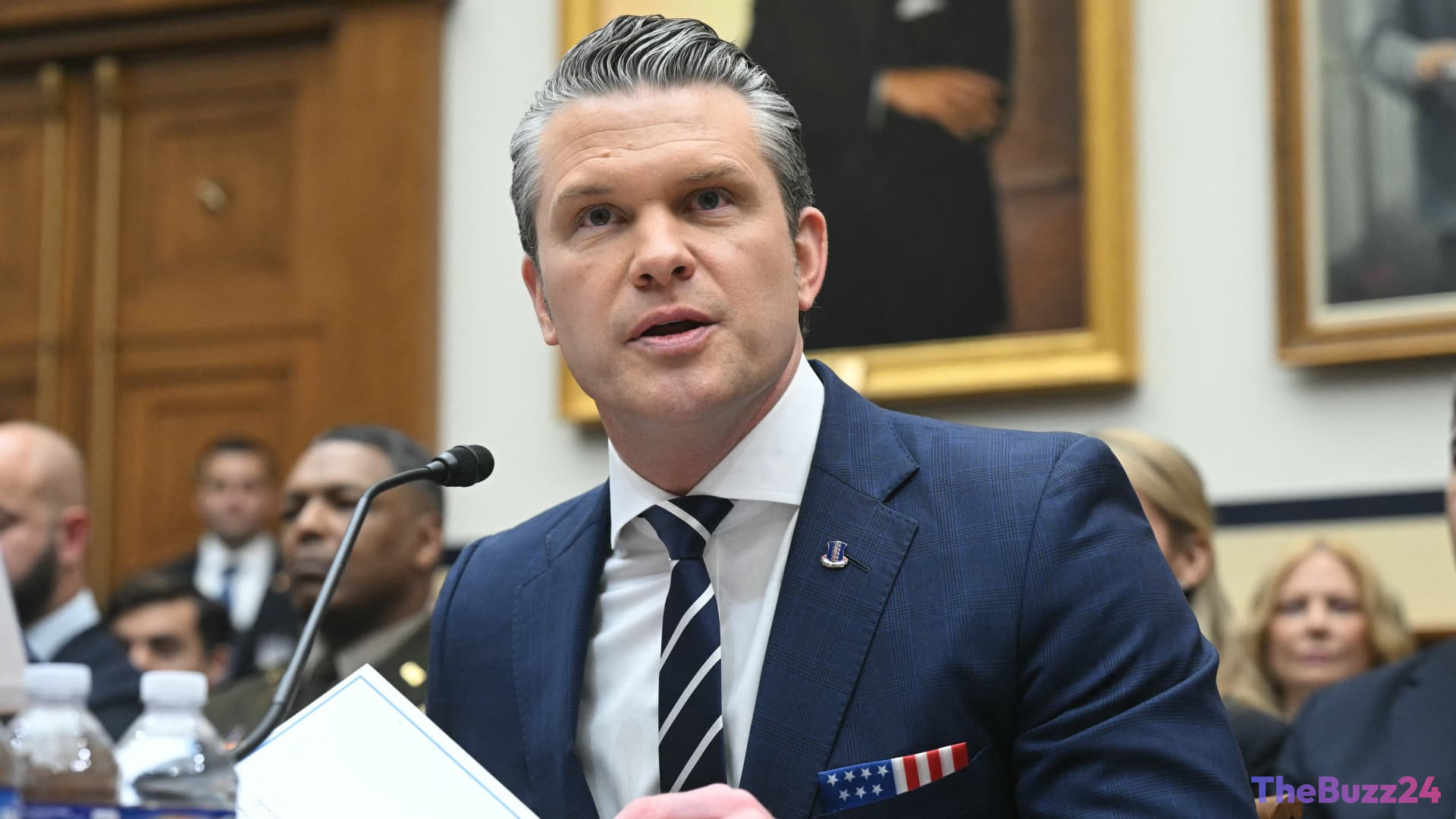
Defense Secretary Pete Hegseth and Chairman of the Joint Chiefs of Staff Dan Caine recently faced intense questioning from the House Armed Services Committee regarding the proposed $1.5 trillion defense budget for the 2027 fiscal year. While the hearing was designed to address long-term military spending priorities, the session was dominated by sharp criticism concerning the ongoing military campaign against Iran and the administration’s failure to provide a clear exit strategy.
During the testimony, Pentagon comptroller Jules Hurst disclosed that the operation has already cost the treasury $25 billion, a figure driven largely by the rapid depletion of munitions. Despite these substantial expenditures, the administration has yet to submit a formal supplemental spending request to Congress. Secretary Hegseth defended the military actions as a critical national security necessity intended to curb Iran’s nuclear ambitions, characterizing legislative demands for a timeline as political interference.
Lawmakers from both sides of the aisle expressed deep skepticism regarding the mission’s success, pointing out that Iran’s nuclear and ballistic missile programs remain active despite sustained military pressure. Beyond tactical concerns, members of Congress emphasized the broader economic fallout, specifically noting that the conflict is contributing to volatility in global oil markets and exacerbating domestic inflation. The hearing also addressed internal administrative instability, including questions surrounding the recent removal of high-ranking military officials such as Gen. Randy George.
As the administration seeks approval for its record-breaking budget, the legislative path forward remains uncertain. Lawmakers have made it clear that without a transparent, long-term strategy and enhanced fiscal oversight, the proposed funding package will face significant resistance. This standoff underscores a deepening divide between executive military objectives and the legislative branch’s insistence on accountability and measurable results.
Key Takeaways
- The military campaign against Iran has incurred $25 billion in costs, primarily due to high munitions usage.
- Bipartisan lawmakers are demanding a clear exit strategy and greater transparency regarding the mission's objectives.
- Congressional leaders are concerned that the conflict is fueling global oil market instability and domestic inflation.
Editor’s Analysis & Impact
The escalating tension between the Pentagon and the House Armed Services Committee reflects a broader shift in legislative tolerance for open-ended military engagements. The $25 billion expenditure, executed without a formal supplemental budget, has created a significant trust deficit that threatens the administration’s $1.5 trillion fiscal request. From a market perspective, the conflict acts as a persistent inflationary catalyst, particularly through its impact on energy prices. The internal leadership instability within the military further complicates the administration’s narrative, suggesting that the Pentagon must pivot toward greater transparency to satisfy congressional oversight. Moving forward, the ability to secure funding will likely depend on the executive branch’s willingness to provide concrete, measurable objectives rather than relying solely on national security rhetoric, as the political cost of the conflict continues to rise alongside the financial one.
Frequently Asked Questions
Q: What is the primary justification provided by the Pentagon for the ongoing conflict with Iran?
A: Defense Secretary Hegseth argues that the military campaign is essential to prevent Iran from acquiring nuclear capabilities.
Q: Why are lawmakers concerned about the economic impact of the war?
A: Lawmakers have raised concerns that the conflict is driving up global oil prices, which in turn increases gasoline and consumer costs domestically.
AI Disclosure: This article is based on verified data and official reports. Our Team and AI have cross-referenced every financial detail with primary sources to ensure total accuracy.
More from this Category