Federal Judge Denies Stay, Reaffirming Removal of Trump’s Name from Kennedy Center
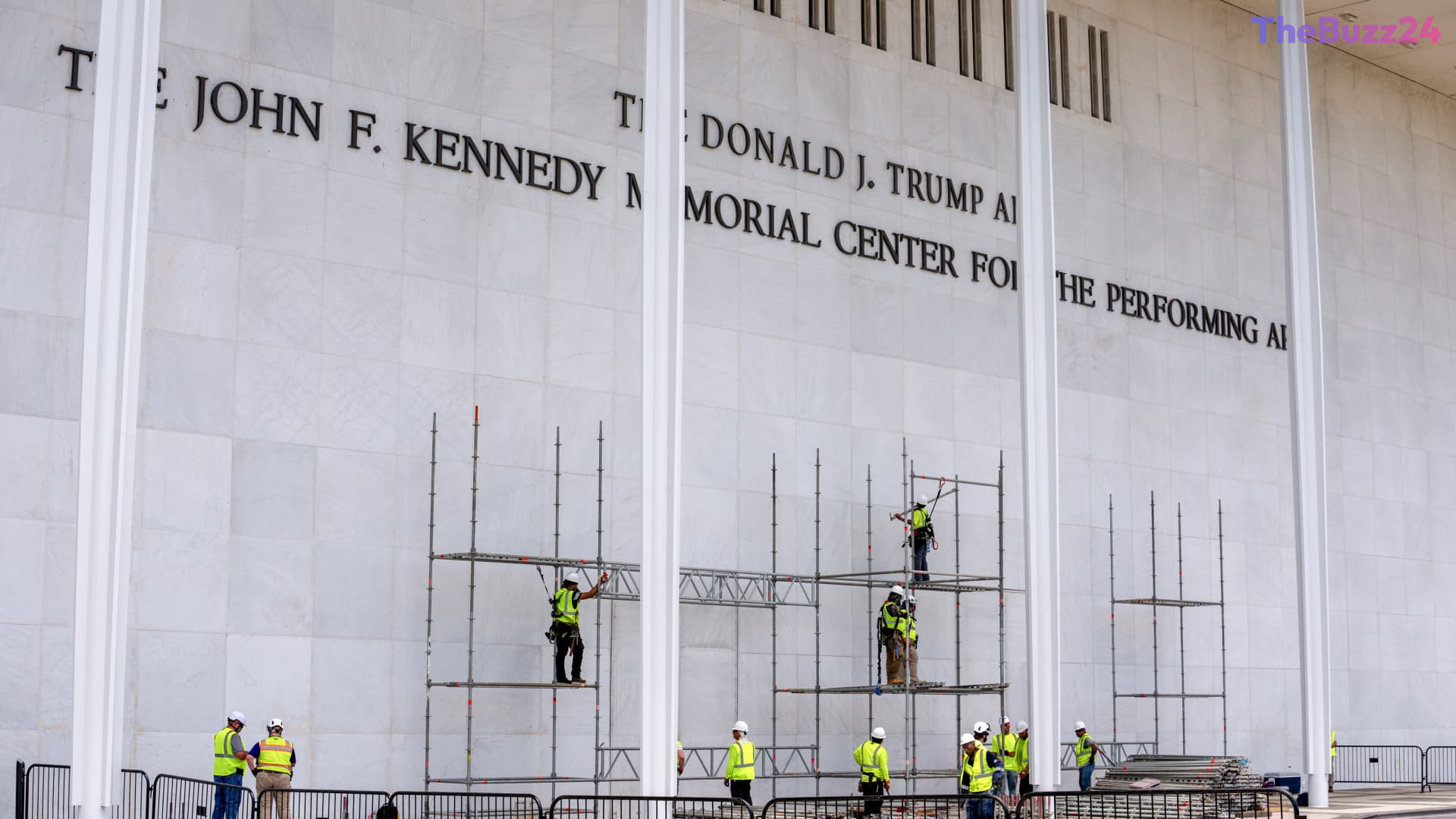
A federal judge has rejected a last-minute request from the Trump administration to halt an order requiring the removal of Donald Trump’s name from the Kennedy Center in Washington, D.C. Judge Christopher Cooper denied the motion on Friday, maintaining his previous ruling that the facility’s name must be restored to its original designation. The decision follows a legal challenge initiated by Representative Joyce Beatty, who argued that the renaming of the performing arts landmark was unauthorized.
In his ruling, Judge Cooper emphasized that the administration failed to demonstrate a likelihood of success on the merits of their appeal. He further noted that the public interest is not served by the continuation of what the court has deemed an unlawful governmental action. The judge pointed out that the administration had already begun taking steps to comply with the initial order, such as removing the name from official center materials, before attempting to reverse course at the eleventh hour.
The controversy stems from a December decision to rename the venue the ‘Trump Kennedy Center’ after several board trustees were replaced. Judge Cooper’s original May 29 ruling clarified that the Kennedy Center’s organic statute explicitly mandates it be named after the late President John F. Kennedy, asserting that only Congress possesses the authority to alter that designation. While the administration may still seek a stay from the D.C. Circuit Court of Appeals, the current order requires the immediate removal of the name from the building’s facade.
Key Takeaways
- A federal judge denied the Trump administration's request to stay an order requiring the removal of Donald Trump's name from the Kennedy Center.
- The court ruled that the Kennedy Center's name is protected by an organic statute, meaning only Congress has the authority to change it.
- The administration had already begun complying with the removal order before filing a last-minute motion to pause the process.
Editor’s Analysis & Impact
This ruling serves as a significant check on executive overreach regarding the management of public institutions and national landmarks. By strictly interpreting the Kennedy Center’s organic statute, the court has reinforced the principle that administrative boards cannot unilaterally alter the legacy or branding of federally established monuments. The case highlights the tension between political appointments within institutional boards and the legislative intent behind public entities. Moving forward, this decision sets a clear legal precedent that protects the historical naming conventions of government-funded cultural institutions from being co-opted for political branding. It also underscores the judiciary’s role in maintaining institutional integrity, signaling that even high-level administrative actions are subject to rigorous statutory scrutiny when they deviate from established congressional mandates.
Frequently Asked Questions
Q: Why was the Kennedy Center renamed in the first place?
A: The center was renamed after several board trustees were removed and replaced, allowing the board to unilaterally change the name to the 'Trump Kennedy Center' in December.
Q: Can the administration still appeal the decision?
A: Yes, the administration may still seek a stay from the D.C. Circuit Court of Appeals, though the current federal court order remains in effect until such a stay is granted.
AI Disclosure: This article is based on verified data and official reports. Our Team and AI have cross-referenced every financial detail with primary sources to ensure total accuracy.
More from this Category