SpaceX Valuation Surges Past $2 Trillion in Historic Market Debut
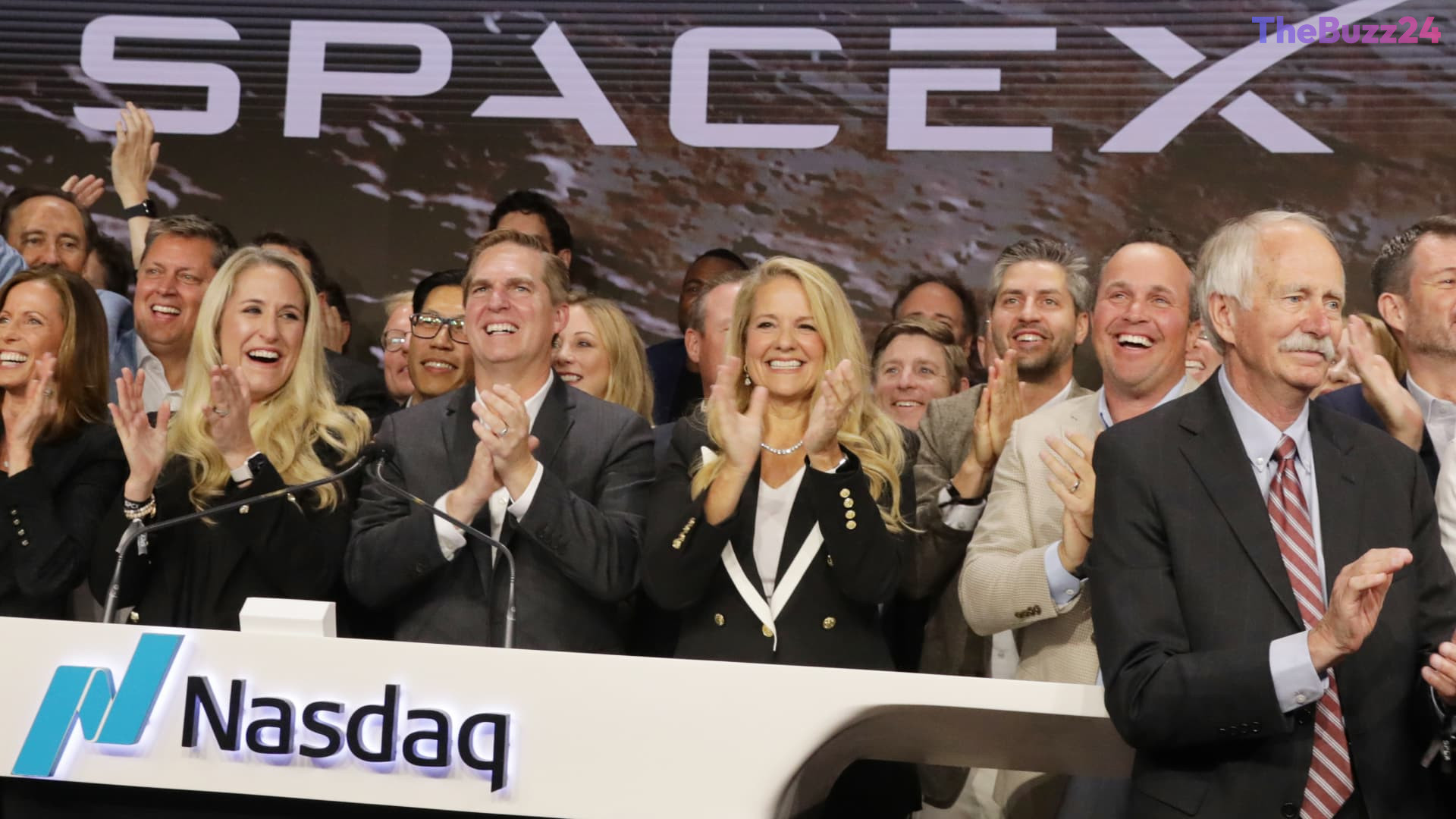
SpaceX made a monumental entry into the public markets on Friday, with its shares surging nearly 20% during their Nasdaq debut. The rocket company, led by Elon Musk, saw its market capitalization climb to approximately $2.1 trillion, fueled by intense retail interest and a highly anticipated initial public offering. Shares opened at $150, significantly higher than the $135 IPO price, and reached a session high of $176.52 before stabilizing.
The successful launch of SpaceX as a publicly traded entity has sent ripples through the broader aerospace sector. While investors flocked to secure a stake in Musk’s space venture, other industry players like Rocket Lab and Redwire experienced double-digit declines as capital shifted toward the new market leader. The debut has also solidified Musk’s financial standing, with the valuation milestone contributing to his status as the first individual to reach trillionaire-level net worth.
Despite the enthusiasm, market analysts are closely watching to see if the stock can maintain its momentum after the initial wave of trading. While retail demand remains robust, some experts have expressed caution regarding the company’s long-term valuation and the growth trajectory of its Starlink division. Nevertheless, the IPO is widely viewed as a bellwether for the tech sector, potentially signaling a new wave of high-profile public offerings from other major players in the artificial intelligence and space industries.
Key Takeaways
- SpaceX achieved a market valuation exceeding $2 trillion during its first day of trading on the Nasdaq.
- The stock price climbed 19.3% to $161.11, outperforming its initial public offering price of $135.
- The debut triggered a sell-off in other space-related stocks as investors reallocated capital toward the new market leader.
Editor’s Analysis & Impact
The SpaceX IPO represents a watershed moment for both the aerospace industry and the broader equity markets. By achieving a $2 trillion valuation, SpaceX has effectively reset the benchmark for what investors are willing to pay for private-sector space infrastructure. The immediate impact is a clear consolidation of capital, as evidenced by the decline in smaller space-sector competitors. Looking ahead, the success of this offering provides a roadmap for other high-growth, capital-intensive firms like OpenAI and Anthropic to transition into the public sphere. However, the sustainability of this valuation will depend on SpaceX’s ability to scale its Starlink business and maintain operational efficiency. Investors should remain cautious, as the current price reflects significant future growth expectations that the company must now deliver upon in a transparent, public environment.
Frequently Asked Questions
Q: What was the initial public offering price for SpaceX shares?
A: The shares were priced at $135 for the initial public offering.
Q: How did the broader space industry react to the SpaceX debut?
A: The debut caused a shift in investor focus, leading to significant drops in shares for other space companies like Rocket Lab and Redwire.
AI Disclosure: This article is based on verified data and official reports. Our Team and AI have cross-referenced every financial detail with primary sources to ensure total accuracy.
More from this Category