Federal Judge Blocks DOJ’s Controversial $1.8 Billion Anti-Weaponization Fund
A federal judge in Virginia has issued a temporary injunction halting the Department of Justice’s $1.8 billion ‘Anti-Weaponization Fund.’ The court order effectively freezes the agency’s ability to transfer capital into the fund, process claims, or distribute payments while ongoing legal challenges against the initiative are adjudicated. Judge Leonie Brinkema, who presided over the ruling, has set a follow-up hearing for June 12 to evaluate whether the injunction should be extended.
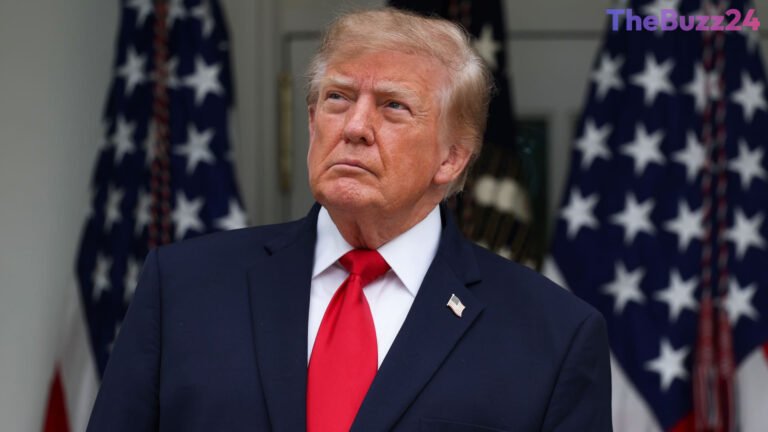
The initiative was established by Acting Attorney General Todd Blanche as a component of a settlement involving a $10 billion lawsuit filed by President Donald Trump against the Internal Revenue Service. The underlying litigation originated from the unauthorized release of the President’s tax records by an IRS employee. The Department of Justice has framed the fund as a restitution mechanism for individuals who allege they were victims of prosecutorial overreach, a concept frequently described by proponents as ‘lawfare.’
Opposition to the fund has been significant, with critics labeling the initiative an unconstitutional ‘slush fund’ designed to favor political allies. Legal challenges currently pending argue that the fund lacks the necessary legislative authorization, violates the separation of powers, and infringes upon the Equal Protection Clause. Plaintiffs, including a former federal prosecutor, a university professor, and the city of New Haven, contend that the fund operates in an arbitrary manner that contradicts established federal law.
Despite the judicial intervention, the Department of Justice continues to defend the fund, asserting that it aligns with historical settlement precedents. Agency representatives have expressed confidence in the legality of the program and maintain their commitment to compensating those identified as victims of past prosecutorial actions. As the case proceeds, additional legal scrutiny is expected, with further hearings scheduled in Washington, D.C., to address requests for broader restraining orders.
Key Takeaways
- Judge Leonie Brinkema issued an injunction blocking the DOJ from moving forward with its $1.8 billion Anti-Weaponization Fund.
- The fund was created as part of a settlement regarding a $10 billion lawsuit filed by President Donald Trump against the IRS.
- Critics argue the fund is an unconstitutional 'slush fund,' while the DOJ maintains it is a legal mechanism for providing restitution.
Editor’s Analysis & Impact
The judicial freeze on the Department of Justice’s $1.8 billion fund highlights a significant constitutional tension regarding the executive branch’s authority to allocate settlement funds without explicit congressional appropriation. This case carries profound implications for the separation of powers, as it challenges the extent to which the DOJ can unilaterally create restitution mechanisms for perceived ‘lawfare.’ If the injunction is upheld, it could set a restrictive precedent for how future administrations settle high-profile litigation involving federal agencies. Conversely, if the government successfully defends the fund, it may establish a new, controversial pathway for executive-led compensation programs. The outcome will likely influence future oversight of federal spending and the legal standards applied to claims of prosecutorial misconduct, making this a pivotal case for both administrative law and political accountability.
Frequently Asked Questions
Q: Why was the Anti-Weaponization Fund created?
A: The fund was established as part of a settlement for a $10 billion lawsuit filed by President Donald Trump against the IRS, following the unauthorized disclosure of his tax records.
Q: What are the primary legal arguments against the fund?
A: Critics argue that the fund lacks proper legislative authorization, violates the separation of powers, and infringes upon the Equal Protection Clause of the Constitution.
AI Disclosure: This article is based on verified data and official reports. Our Team and AI have cross-referenced every financial detail with primary sources to ensure total accuracy.
More from this Category